Copper Bonded Pads Vs. Resin Pads
Feb 02, 2026

Copper Bonded Pads vs. Resin Pads: Choosing the Right Diamond Tool for Your Needs
In the world of diamond tools, polishing pads are essential for achieving high-quality finishes on various surfaces, from stone and concrete to metals and glass. When it comes to selecting the best polishing pad for your project, two primary options dominate the market: Copper Bonded Pads and Resin Pads. Both types have their unique advantages, and understanding these differences can help you make an informed decision for your specific needs.
1. Copper Bonded Pads: Durability and Strength
Copper-bonded pads are a popular choice in the diamond tool industry due to their superior durability and long-lasting performance. These pads feature a copper matrix that binds the diamond particles together, providing a strong, robust bond.
Advantages:
Longer Lifespan: Copper-bonded pads are known for their extended service life, making them ideal for heavy-duty tasks and continuous use. The copper matrix enhances the wear resistance of the pad, meaning it can withstand tough surfaces and maintain its effectiveness for a longer period.
Aggressive Grinding: These pads offer a more aggressive grinding action, making them suitable for initial stages of surface preparation or for working with harder materials like granite or concrete.
Consistent Finish: Due to the solid bond of copper to the diamonds, the polishing process remains consistent and stable, providing a high-quality finish throughout the use of the pad.
Best Used For:
Heavy-duty grinding
Hard stone or concrete surfaces
Initial stages of polishing where aggressive removal of material is needed
2. Resin Pads: Flexibility and Finish Quality
Resin pads are widely used for achieving a smooth, polished finish. The resin matrix holds the diamonds in place, offering a more flexible and forgiving tool compared to copper-bonded pads.
Advantages:
Smooth Finish: Resin pads are ideal for the final polishing stages, providing a smoother and more refined finish compared to copper-bonded pads. They are excellent for bringing out the natural shine of the material, especially on softer stones.
Less Aggressive: These pads are less aggressive than copper-bonded pads, which means they are better for finishing delicate surfaces without causing damage or excessive material removal.
Versatile: Resin pads are versatile and can be used on a variety of materials, including stone, marble, and concrete, making them a go-to choice for a wide range of applications.
Best Used For:
Final polishing and achieving a high-gloss finish
Softer materials like marble, terrazzo, or softer granite
Detail work and surface refinement
3. Which One Should You Choose?
The choice between copper-bonded pads and resin pads ultimately depends on the specific needs of your project.
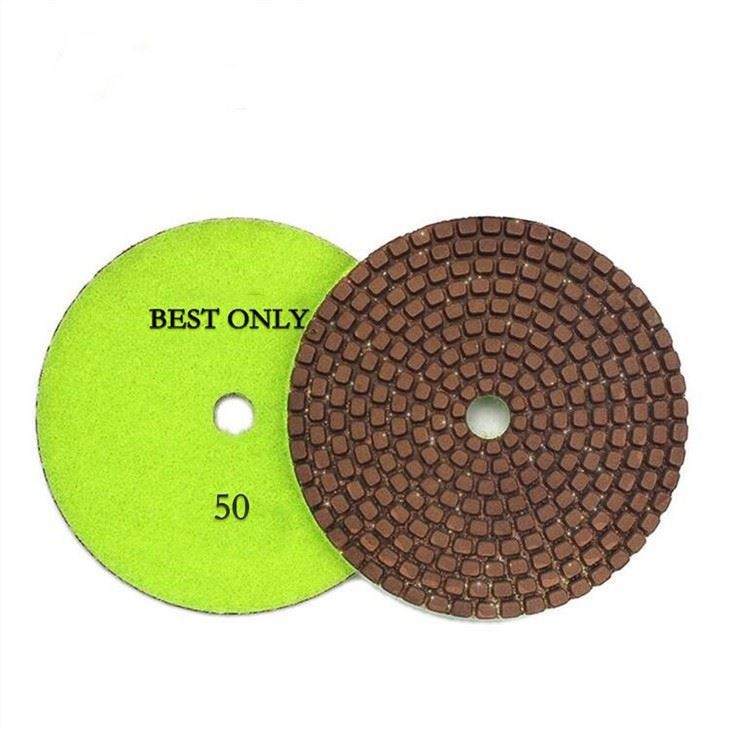

For Heavy-Duty Grinding: Copper-bonded pads are your best option. Their durability and aggressive grinding action make them perfect for the early stages of surface preparation or for tougher, harder materials.
For Fine Finishing: If you're working on softer stones or aiming for a smooth, glossy finish, resin pads are the better choice. They provide the finesse and flexibility needed for delicate polishing work.
For Versatility: If you need a pad that can handle a variety of materials and tasks, you might consider using both types. Copper-bonded pads for grinding and resin pads for polishing can cover all stages of the surface treatment process.