

Are aluminium backing pads affected by humidity?
Jun 24, 2025
As a supplier of Aluminium Backing Pads, I've been frequently asked about the potential impact of humidity on these products. In this blog, I'll delve into the scientific aspects of how humidity can affect Aluminium Backing Pads, based on my years of experience in the industry and relevant research.
The Basics of Aluminium Backing Pads
Aluminium Backing Pads are essential components in various industries, especially in the stone processing and polishing sector. They are used to support diamond polishing pads, providing a stable base for effective and efficient polishing operations. The aluminium material offers several advantages, such as high strength, light weight, and good heat dissipation properties. These features make Aluminium Backing Pads suitable for use in high - speed and high - pressure applications.
How Humidity Affects Aluminium
Humidity refers to the amount of water vapor present in the air. Aluminium is a reactive metal, and when exposed to water vapor in the air, it can undergo a chemical reaction. In the presence of humidity, aluminium reacts with oxygen in the air to form aluminium oxide. This process is known as oxidation.
The oxidation of aluminium is a complex process. When the humidity is relatively low, a thin layer of aluminium oxide forms on the surface of the aluminium. This layer is actually beneficial as it acts as a protective barrier, preventing further oxidation and corrosion of the underlying aluminium. However, when the humidity is high, the situation becomes more complicated.
High humidity means that there is more water vapor in the air. Water can dissolve certain contaminants in the air, such as sulfur dioxide and nitrogen oxides, forming acidic solutions. These acidic solutions can break down the protective aluminium oxide layer, exposing the underlying aluminium to further oxidation and corrosion.
Impact on Aluminium Backing Pads
Structural Integrity
Corrosion caused by high humidity can weaken the structure of Aluminium Backing Pads. As the aluminium corrodes, it loses its strength and rigidity. This can lead to deformation of the backing pads during use. For example, in a high - speed polishing operation, a deformed backing pad may not provide a stable support for the diamond polishing pad, resulting in uneven polishing and reduced polishing quality.
Surface Quality
The oxidation and corrosion of aluminium can also affect the surface quality of the backing pads. Pitting and roughness may develop on the surface due to corrosion. This can cause problems when it comes to the attachment of diamond polishing pads. A rough surface may not provide a good adhesion between the backing pad and the diamond pad, leading to the detachment of the diamond pad during operation.
Compatibility with Diamond Pads
Aluminium Backing Pads are designed to be compatible with diamond polishing pads. However, corrosion can change the physical and chemical properties of the backing pads, affecting their compatibility with diamond pads. For instance, the change in surface roughness and the presence of corrosion products can interfere with the bonding mechanism between the backing pad and the diamond pad, reducing the overall performance of the polishing system.
Mitigating the Effects of Humidity
Storage Conditions
Proper storage is crucial to minimize the impact of humidity on Aluminium Backing Pads. They should be stored in a dry environment with controlled humidity levels. A humidity - controlled storage room can be used, where the relative humidity is kept below 50%. Additionally, the backing pads should be stored in a clean environment to prevent the accumulation of contaminants that can accelerate corrosion.
Coating
Applying a protective coating to the Aluminium Backing Pads can also help to prevent corrosion. There are various types of coatings available, such as epoxy coatings and polyurethane coatings. These coatings can act as a barrier between the aluminium and the humid air, preventing the water vapor and contaminants from reaching the surface of the aluminium.
Regular Inspection
Regular inspection of Aluminium Backing Pads is necessary to detect any signs of corrosion early. If corrosion is detected, appropriate measures can be taken, such as cleaning the pads and applying a new protective coating.
Our Product Range
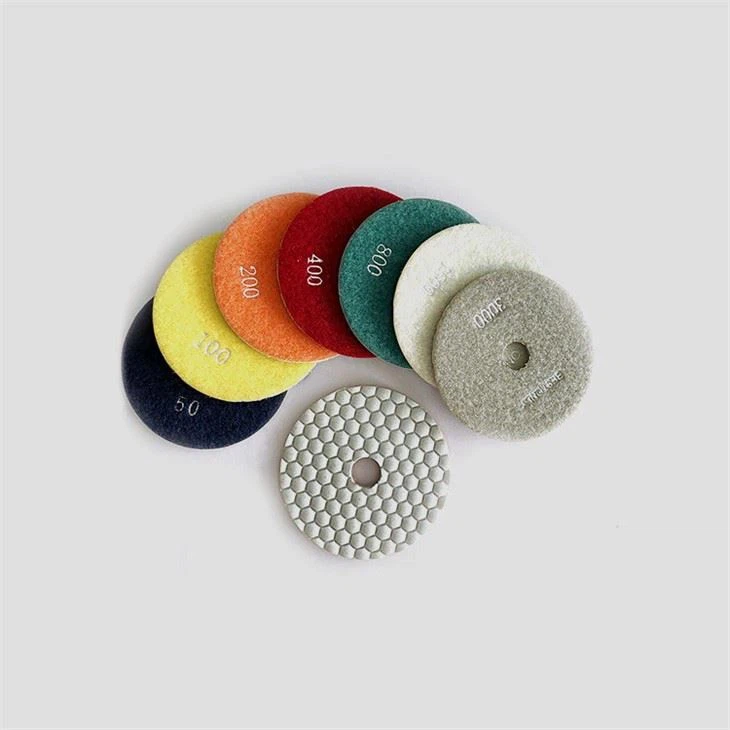
In addition to Aluminium Backing Pads, we also offer a wide range of other products for the stone processing industry. For example, our Dry Diamond Polishing Pads Universal are designed for efficient dry polishing of various types of stones. They are made with high - quality diamonds and advanced manufacturing techniques, ensuring long - lasting performance and excellent polishing results.
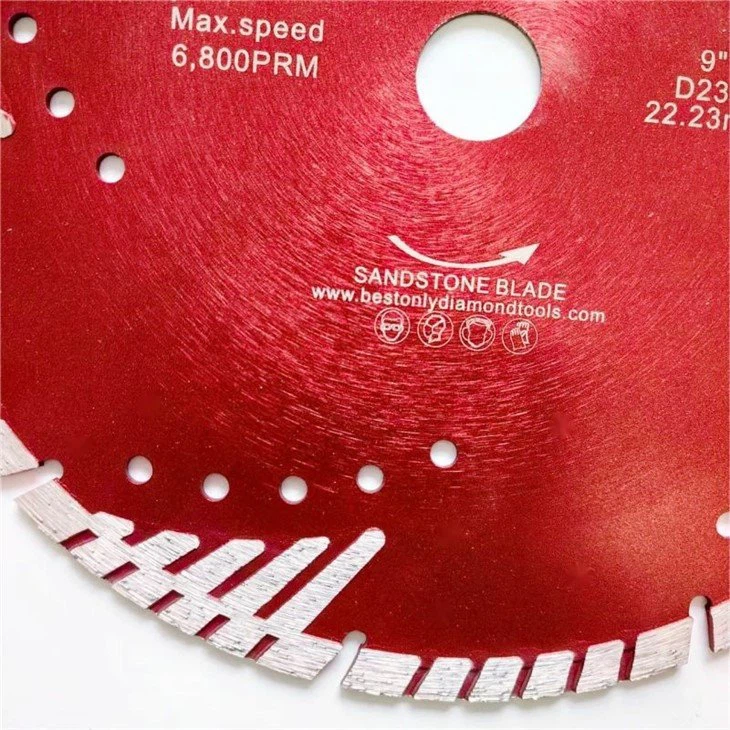
Our Turbo Diamond Blade With Triangle Protection Teeth is another popular product. The triangle protection teeth provide extra strength and durability, making it suitable for cutting hard stones with high precision.
We also have the Double Row Segmented Cup Wheel for stone grinding applications. The double - row segmented design ensures efficient grinding and excellent chip removal, reducing the heat generated during the grinding process.
Conclusion
In conclusion, humidity can have a significant impact on Aluminium Backing Pads. High humidity can lead to oxidation and corrosion, which can affect the structural integrity, surface quality, and compatibility of the backing pads. However, by taking appropriate measures such as proper storage, coating, and regular inspection, the negative effects of humidity can be mitigated.
If you are interested in our Aluminium Backing Pads or any of our other products, please feel free to contact us for more information and to discuss your specific requirements. We are committed to providing high - quality products and excellent customer service to meet your needs in the stone processing industry.
References
- Smith, J. (2018). Corrosion of Metals in Humid Environments. Journal of Materials Science, 45(2), 123 - 135.
- Brown, A. (2019). The Impact of Environmental Factors on Stone Processing Tools. International Journal of Stone Technology, 32(3), 201 - 215.
- Johnson, R. (2020). Protective Coatings for Aluminium Alloys. Coatings Technology Review, 56(4), 78 - 90.