

Can a steel wire brush be used for cleaning copper surfaces?
Jul 10, 2025
Hey there! As a steel wire brush supplier, I often get asked all sorts of questions about the uses of our products. One question that pops up quite a bit is, "Can a steel wire brush be used for cleaning copper surfaces?" Well, let's dive right into this topic and find out.
First off, let's talk a bit about copper. Copper is a pretty awesome metal. It's got a beautiful reddish - orange color that many people love, and it's used in all sorts of things, from electrical wiring to decorative items. But over time, copper can get dirty, tarnished, or covered in oxidation. That's when people start looking for ways to clean it up.
Now, steel wire brushes are known for their toughness. They're made of steel wires that can be quite stiff, and they're great for removing tough grime, rust, and paint from a variety of surfaces. They come in different shapes and sizes, like handheld brushes for small jobs or larger brushes that can be attached to power tools for bigger tasks.
So, can you use a steel wire brush on copper? The short answer is yes, but with some important caveats.
The Pros of Using a Steel Wire Brush on Copper
One of the main advantages of using a steel wire brush is its ability to quickly remove stubborn dirt and oxidation. If you've got a copper item that's really caked with grime, a steel wire brush can cut through it like a hot knife through butter. For example, if you have an old copper pipe that's been sitting in a damp basement and has developed a thick layer of greenish - blue oxidation, a steel wire brush can help you get that pipe looking shiny and new again.
Another plus is that steel wire brushes are relatively inexpensive and easy to find. You can pick one up at your local hardware store or order it online. And if you already have a power tool, you can use a compatible steel wire brush attachment to speed up the cleaning process.
The Cons of Using a Steel Wire Brush on Copper
However, there are also some downsides to using a steel wire brush on copper. The biggest issue is the risk of scratching the copper surface. Steel is harder than copper, so when you use a steel wire brush on copper, you can easily leave behind small scratches. These scratches might not be a big deal if you're cleaning a copper item that's going to be hidden away or used in an industrial setting. But if you're working on a decorative copper piece, like a copper statue or a jewelry item, those scratches can really detract from its appearance.
Another problem is the potential for cross - contamination. When you use a steel wire brush on copper, tiny steel particles can get embedded in the copper surface. Over time, these steel particles can rust, which can cause further damage to the copper. This is especially true if the copper item is going to be exposed to moisture or humidity.
Tips for Using a Steel Wire Brush on Copper
If you decide to use a steel wire brush on copper, here are some tips to minimize the risks:
- Choose the Right Brush: Opt for a brush with softer steel wires. You can find brushes labeled as "soft - wire" or "fine - wire" that are less likely to scratch the copper.
- Test in an Inconspicuous Area: Before you start scrubbing the entire copper item, test the steel wire brush on a small, hidden area. This will allow you to see how the copper reacts and if any scratching occurs.
- Be Gentle: Don't apply too much pressure when using the brush. Let the bristles do the work, and move the brush in a smooth, even motion.
- Clean the Brush Regularly: To prevent cross - contamination, clean the steel wire brush frequently during the cleaning process. You can use a wire brush cleaner or simply tap the brush on a hard surface to remove any debris.
Alternatives to Steel Wire Brushes for Cleaning Copper
If you're worried about scratching or cross - contamination, there are other options for cleaning copper. One popular alternative is to use a chemical cleaner specifically designed for copper. These cleaners are formulated to dissolve oxidation and dirt without damaging the copper surface. You can find copper cleaners at most hardware stores or online.
Another option is to use a softer brush, like a nylon brush or a brass brush. Nylon brushes are gentle enough to clean copper without scratching it, and brass brushes are a good choice because brass is a similar hardness to copper. You can also use a microfiber cloth or a soft sponge with a mild detergent to clean copper items.
Other Products We Offer
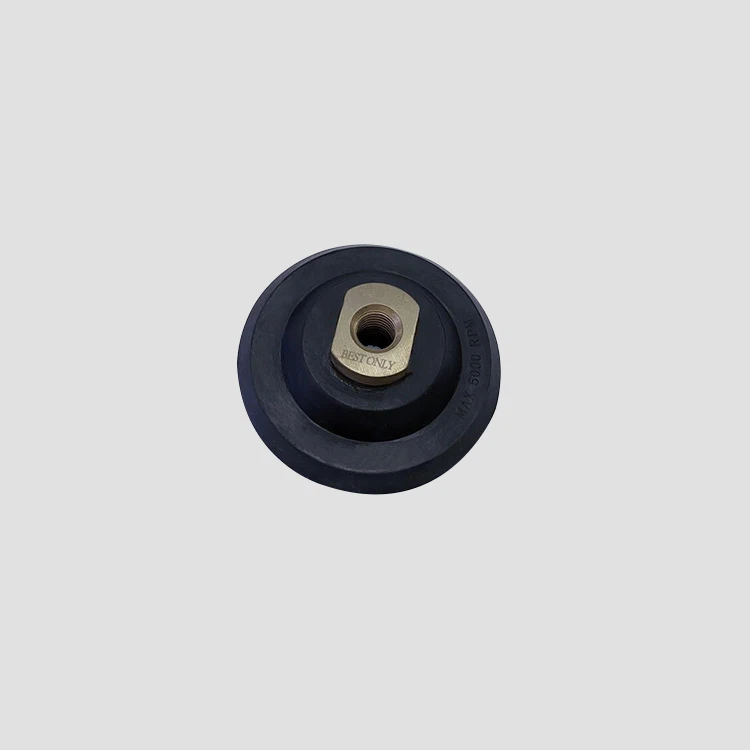
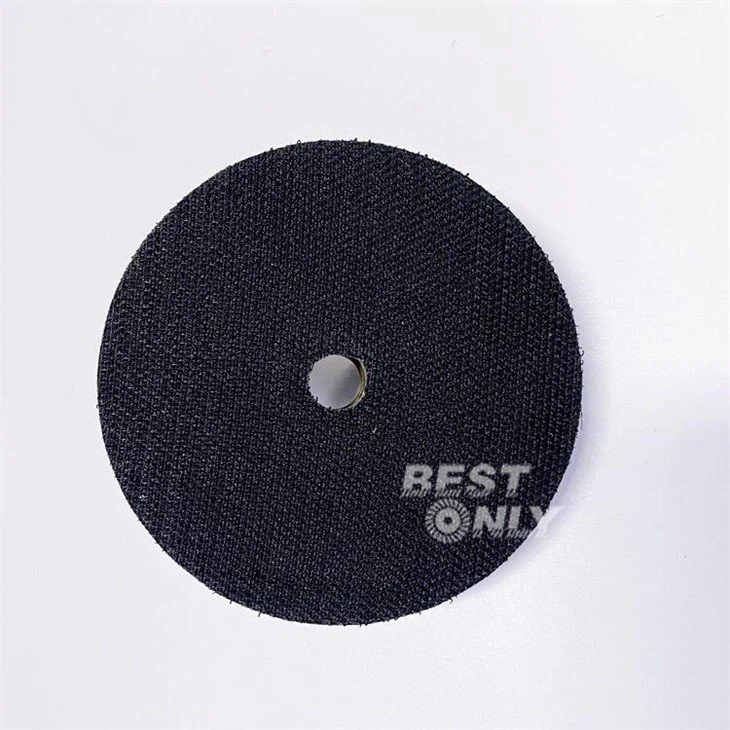
As a steel wire brush supplier, we also offer a range of other products that might be useful for your cleaning and polishing needs. For example, we have Rubber Backing Pads that can be used in conjunction with our brushes for more effective cleaning. These pads provide a cushioned surface that helps distribute the pressure evenly and reduces the risk of scratching.
We also have the 10inch 250mm Diamond Brush, which is great for more heavy - duty cleaning and polishing tasks. And if you're working on stone surfaces, our Marble Polishing Pads are top - notch.
Conclusion
In conclusion, a steel wire brush can be used for cleaning copper surfaces, but it's important to weigh the pros and cons and take the necessary precautions. If you're careful and follow the tips I've mentioned, you can use a steel wire brush to effectively clean copper without causing too much damage.
If you're interested in purchasing our steel wire brushes or any of our other products, feel free to reach out to us for more information. We're always happy to help you find the right tool for the job. Whether you're a professional cleaner or a DIY enthusiast, we've got the products you need to get the job done right.
References
- "Copper: Properties, Applications, and Corrosion Resistance" - Metal Handbook
- "Handbook of Cleaning and Surface Preparation" - CRC Press