

Can abrasive brushes be reused?
Jul 04, 2025
In the realm of stone polishing and surface treatment, abrasive brushes stand as indispensable tools, offering remarkable versatility and efficiency. As a seasoned supplier of abrasive brushes, I often encounter a common question from our customers: "Can abrasive brushes be reused?" This blog post aims to delve into this query, exploring the factors that influence the reusability of abrasive brushes, the conditions under which reuse is feasible, and the best practices to maximize their lifespan.
Understanding Abrasive Brushes
Before we discuss reusability, it's essential to understand what abrasive brushes are and how they work. Abrasive brushes are designed with abrasive filaments or bristles that are used to grind, polish, and finish various surfaces, including stone, metal, and wood. The abrasive materials can range from natural substances like emery and garnet to synthetic materials such as aluminum oxide and silicon carbide. These brushes come in different shapes, sizes, and configurations to suit specific applications, from large-scale industrial polishing to delicate handiwork.
Factors Affecting Reusability
Several factors determine whether an abrasive brush can be reused effectively. These include the type of abrasive material, the nature of the workpiece, the intensity of use, and the maintenance practices employed.
- Type of Abrasive Material: Different abrasive materials have varying degrees of durability. For instance, diamond abrasive brushes are known for their exceptional hardness and longevity, making them more likely to be reused compared to brushes with softer abrasive materials. Diamond is highly resistant to wear and can maintain its cutting edge for an extended period, even when used on hard surfaces like granite and quartzite.
- Nature of the Workpiece: The material and surface characteristics of the workpiece also play a crucial role. If the workpiece is relatively soft or has a smooth surface, the abrasive brush will experience less wear and tear, increasing the likelihood of reuse. Conversely, working on hard, rough, or abrasive materials can quickly dull the brush, reducing its effectiveness and lifespan.
- Intensity of Use: The frequency and intensity of use can significantly impact the reusability of an abrasive brush. Brushes that are used continuously for long periods or subjected to high-pressure applications will wear out faster than those used intermittently or under lighter loads. Overuse can cause the abrasive particles to become dull or break off, rendering the brush ineffective.
- Maintenance Practices: Proper maintenance is essential for extending the lifespan of abrasive brushes. Regular cleaning, inspection, and storage can help prevent the accumulation of debris, rust, and other contaminants that can damage the brush. Additionally, using the brush within its recommended parameters and following the manufacturer's guidelines can minimize premature wear and ensure optimal performance.
Conditions for Reuse
While not all abrasive brushes can be reused, there are certain conditions under which reuse is possible and practical.
- Limited Wear: If the abrasive brush shows only minimal wear, such as a slight reduction in the length of the bristles or a minor dulling of the cutting edge, it may still be suitable for reuse. In such cases, the brush can be used for less demanding applications or on softer materials where its remaining abrasive capacity is sufficient.
- Cleaning and Restoration: Regular cleaning can remove debris and contaminants that can clog the abrasive filaments and reduce their effectiveness. Depending on the type of brush, it may be possible to restore its performance by soaking it in a cleaning solution, using a wire brush to remove stubborn dirt, or even reshaping the bristles. However, it's important to note that not all cleaning methods are suitable for all types of abrasive brushes, so it's crucial to follow the manufacturer's recommendations.
- Alternative Applications: Even if an abrasive brush is no longer suitable for its original application, it may still be useful for other tasks. For example, a brush that has been used for heavy-duty stone polishing may still be effective for light cleaning or surface preparation on less demanding materials. By repurposing the brush, you can extend its useful life and get more value out of your investment.
Best Practices for Reusing Abrasive Brushes
To maximize the reusability of abrasive brushes, it's important to follow these best practices:
- Proper Cleaning: After each use, clean the abrasive brush thoroughly to remove any debris, dust, or residue. Use a mild detergent and warm water, and avoid using harsh chemicals or abrasive cleaners that can damage the brush. Rinse the brush thoroughly and allow it to dry completely before storing it.
- Regular Inspection: Inspect the abrasive brush regularly for signs of wear, damage, or contamination. Look for broken or missing bristles, excessive wear on the cutting edge, or any signs of rust or corrosion. If you notice any issues, address them promptly to prevent further damage and ensure the brush's continued performance.
- Correct Storage: Store the abrasive brush in a clean, dry place away from direct sunlight and moisture. Avoid storing the brush in a cramped or crowded space where it can be bent, crushed, or damaged. If possible, hang the brush or store it in a protective case to prevent it from coming into contact with other tools or objects.
- Use within Recommended Parameters: Always use the abrasive brush within its recommended parameters, including the appropriate speed, pressure, and application. Using the brush outside of these parameters can cause excessive wear and damage, reducing its lifespan and effectiveness.
Our Product Offerings
As a leading supplier of abrasive brushes, we offer a wide range of high-quality products designed to meet the diverse needs of our customers. Our 10inch Abrasive Brush for Stone is specifically engineered for stone polishing applications, providing exceptional performance and durability. Made with premium diamond abrasive filaments, this brush is capable of delivering a high-quality finish on a variety of stone surfaces, including granite, marble, and quartzite.
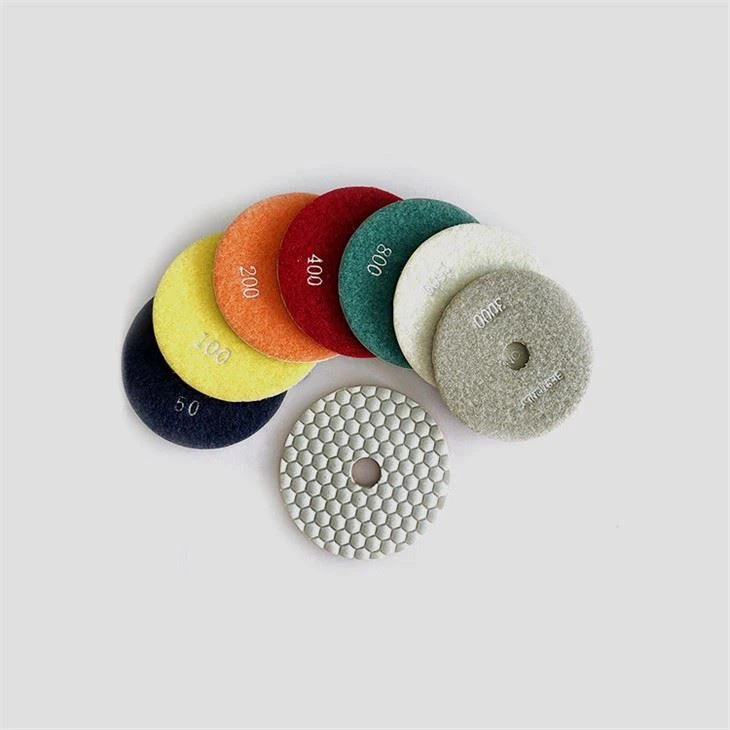

In addition to our abrasive brushes, we also offer a comprehensive range of diamond polishing pads, including Dry Diamond Polishing Pads Universal and Wet and Dry Polishing Pads. These pads are designed to work in conjunction with our abrasive brushes to achieve optimal results in stone polishing and surface treatment.
Conclusion
In conclusion, the reusability of abrasive brushes depends on several factors, including the type of abrasive material, the nature of the workpiece, the intensity of use, and the maintenance practices employed. While not all abrasive brushes can be reused, following the best practices outlined in this blog post can help extend their lifespan and maximize their value.
If you have any questions about our abrasive brushes or other stone polishing products, or if you're interested in discussing your specific requirements, please don't hesitate to contact us. Our team of experts is always available to provide you with the information and support you need to make the right choice for your project.
References
- Smith, J. (2020). Abrasive Tools: A Comprehensive Guide. Industrial Tooling Press.
- Jones, R. (2019). Stone Polishing Techniques and Best Practices. Stone Industry Journal.
- Brown, S. (2018). Maintenance and Care of Abrasive Brushes. Tool Maintenance Review.