

Can I reuse a dirty polishing pad?
Aug 20, 2025
When it comes to the world of stone polishing, one question that frequently pops up is, "Can I reuse a dirty polishing pad?" As a trusted supplier of high - quality polishing pads, I've encountered this query numerous times from both professional stone polishers and DIY enthusiasts. In this blog, I'll delve deep into this topic, exploring the feasibility, pros, cons, and best practices of reusing dirty polishing pads.
Understanding Polishing Pads
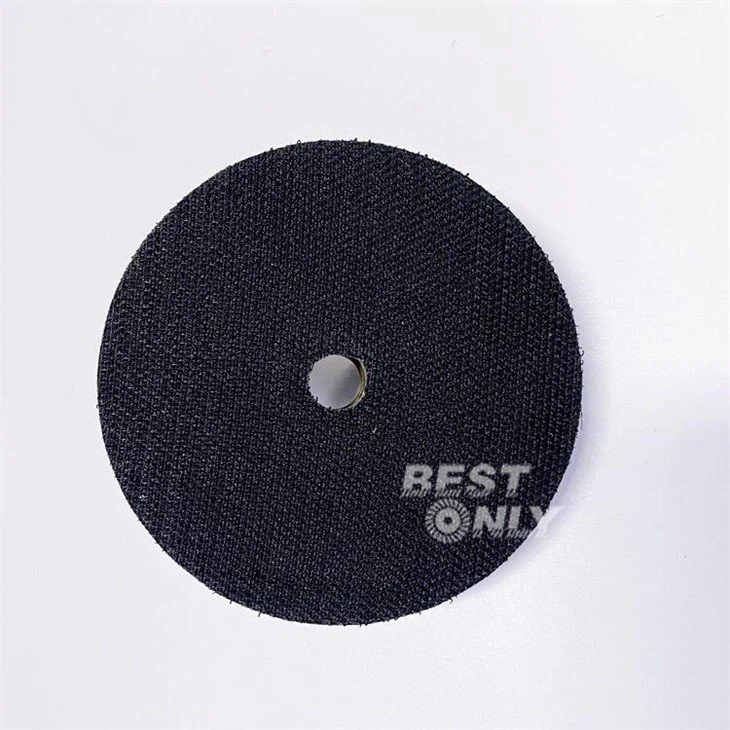
Before we discuss reusing dirty pads, it's essential to understand what polishing pads are and how they work. Polishing pads are crucial tools in the stone finishing process. They come in various types, such as 3 Steps Dry and Wet Polishing Pads, Rubber Backing Pads, and Wet and Dry Polishing Pads. These pads are embedded with abrasive particles, usually diamonds, which gradually smooth and shine the stone surface through friction.
Reasons for Reusing a Dirty Polishing Pad
There are several reasons why someone might consider reusing a dirty polishing pad. Cost - saving is perhaps the most obvious one. Polishing pads, especially high - quality diamond - embedded ones, can be quite expensive. By reusing them, you can significantly cut down on your overall polishing costs. Another reason is environmental. Reusing pads reduces waste, making your polishing process more sustainable.
Factors to Consider Before Reusing
However, reusing a dirty polishing pad isn't as straightforward as it might seem. Several factors need to be taken into account.
Degree of Contamination
The first thing to assess is how dirty the pad is. Minor dirt and debris can often be removed with a simple cleaning, allowing the pad to be reused effectively. But if the pad is heavily clogged with stone dust, resin, or other substances, it may be challenging to restore its original functionality.
Abrasive Wear
Over time, the abrasive particles on the pad wear down. Even after cleaning, if the abrasives are significantly worn, the pad may not be able to provide the same level of polishing performance as a new one. You need to inspect the pad closely to determine if the abrasives are still in good condition.

Type of Stone
The type of stone you were polishing also matters. Different stones produce different types of dust and debris. For example, polishing granite generates a different kind of residue compared to marble. Some residues may be more difficult to clean from the pad, and they can also affect the pad's performance when used on a different type of stone later.
Cleaning Methods for Reusing
If you've determined that your dirty polishing pad is suitable for reuse, proper cleaning is essential. Here are some effective cleaning methods:
Dry Brushing
For lightly soiled pads, dry brushing can be a good first step. Use a stiff - bristled brush to remove loose dirt and debris from the pad's surface. This method is quick and easy, but it may not be sufficient for heavily clogged pads.
Soaking in Water
Soaking the pad in warm, soapy water can help loosen more stubborn dirt. Let the pad soak for at least 30 minutes, then gently scrub it with a brush. Rinse the pad thoroughly to remove all the soap and dirt.
Using a Cleaning Solution
For pads with tough stains or resin build - up, a specialized cleaning solution may be necessary. There are many commercial cleaning products available that are designed specifically for cleaning polishing pads. Follow the manufacturer's instructions carefully when using these solutions.
Pros and Cons of Reusing
Pros
- Cost - Efficiency: As mentioned earlier, reusing pads can save you a significant amount of money in the long run. This is especially beneficial for large - scale polishing projects or for those on a tight budget.
- Sustainability: By reducing waste, you're making a positive impact on the environment. This is an important consideration in today's eco - conscious world.
Cons
- Reduced Performance: Reused pads may not provide the same level of polishing quality as new ones. The worn abrasives and residual dirt can lead to uneven polishing and a less shiny finish.
- Time - Consuming: Cleaning and preparing a dirty pad for reuse can be time - consuming. You need to factor in the time spent on cleaning, drying, and inspecting the pad.
Best Practices for Reusing
If you decide to reuse a dirty polishing pad, here are some best practices to follow:
- Clean Immediately: Don't let the pad sit dirty for too long. The longer the dirt and debris stay on the pad, the harder they are to remove. Clean the pad as soon as you finish polishing.
- Store Properly: After cleaning and drying, store the pad in a dry, clean place. This will prevent it from getting dirty again before its next use.
- Test on a Small Area: Before using the reused pad on a large surface, test it on a small, inconspicuous area of the stone. This will help you determine if the pad is still performing as expected.
When to Replace Instead of Reusing
There are situations where it's better to replace the pad rather than trying to reuse it. If the pad is severely damaged, with torn fabric or a large number of missing abrasives, it won't be able to polish effectively, even after cleaning. Also, if the pad has been used on a very hard or abrasive stone and is extremely worn, replacement is the better option.
Conclusion
In conclusion, reusing a dirty polishing pad can be a viable option, but it requires careful consideration. By assessing the degree of contamination, abrasive wear, and type of stone, and by using proper cleaning methods, you can potentially extend the life of your pads and save money. However, it's important to recognize when a pad has reached the end of its useful life and should be replaced.
If you're in the market for high - quality polishing pads or have any questions about pad reuse, feel free to reach out. We're here to provide you with the best products and advice for your stone - polishing needs. Contact us to start a procurement discussion and find out how we can help you achieve the perfect polish for your stone projects.
References
- "Stone Polishing Techniques and Best Practices" - Industry handbook on stone finishing
- "Diamond Polishing Pads: Usage and Maintenance" - Technical guide from a leading polishing pad manufacturer