

Can I use CNC calibrating wheels in a vacuum environment?
Sep 17, 2025
Hey there! As a supplier of CNC Calibrating Wheels, I often get asked some pretty interesting questions. One that's been popping up a lot lately is, "Can I use CNC calibrating wheels in a vacuum environment?" Well, let's dive right into this topic and see what we can find out.
First off, let's understand what CNC calibrating wheels are. These wheels are a crucial part of the CNC (Computer Numerical Control) machining process. They're used to precisely shape, grind, and polish various materials, like metals, plastics, and composites. They come in different sizes, shapes, and materials, each designed for specific applications.
Now, the idea of using them in a vacuum environment might seem a bit out there at first. But there are actually some industries where this could be a real possibility. For example, in aerospace and semiconductor manufacturing, vacuum chambers are commonly used to create a clean, controlled environment for delicate operations. So, could our trusty CNC calibrating wheels work in such a setting?
The Basics of a Vacuum Environment
A vacuum environment is characterized by very low pressure, often close to zero. This means there's very little air or other gases present. In a normal atmosphere, air plays a few important roles when it comes to machining. It helps to cool the cutting tools, carry away debris, and can even affect the way materials behave during the machining process.
When we take away the air in a vacuum, these functions are disrupted. For example, without air to carry away heat, the cutting tools can overheat quickly. This can lead to premature wear and tear, and in some cases, even damage to the workpiece. Also, without air to carry away debris, the chips and dust generated during machining can build up around the cutting area, which can affect the quality of the cut and the overall performance of the tool.
How CNC Calibrating Wheels Work
CNC calibrating wheels work by rotating at high speeds and coming into contact with the workpiece. The abrasive particles on the surface of the wheel grind away the material, shaping it to the desired specifications. The efficiency and effectiveness of this process depend on several factors, including the type of abrasive material, the wheel's design, and the machining parameters.
In a normal environment, the air around the wheel helps to dissipate heat and keep the wheel cool. It also helps to prevent the chips and dust from sticking to the wheel, which can clog the abrasive particles and reduce the wheel's cutting ability. But in a vacuum, these benefits are lost.
Potential Challenges of Using CNC Calibrating Wheels in a Vacuum
Heat Generation
As mentioned earlier, heat is a major issue in a vacuum environment. Without air to cool the wheel, the heat generated during machining can cause the wheel to expand and deform. This can lead to inaccurate cuts and a shorter lifespan for the wheel. To combat this, special cooling mechanisms might be required. For example, some advanced machining systems use liquid coolants that can be circulated through the wheel to keep it at a stable temperature.
Debris Management
Another challenge is dealing with the debris generated during machining. In a normal environment, the air helps to carry the chips and dust away from the cutting area. In a vacuum, this isn't possible. The debris can build up around the wheel, causing it to become clogged and reducing its cutting efficiency. One solution could be to use a vacuum system specifically designed to remove the debris from the cutting area. However, this adds an extra layer of complexity to the machining setup.
Material Compatibility
The materials used in CNC calibrating wheels also need to be carefully considered in a vacuum environment. Some materials might react differently in a low-pressure environment. For example, certain adhesives used to bond the abrasive particles to the wheel might outgas in a vacuum, releasing gases that can contaminate the vacuum chamber. This can be a serious problem, especially in industries where a high level of cleanliness is required.
Possible Solutions
Despite these challenges, there are ways to make CNC calibrating wheels work in a vacuum environment.
Cooling Solutions
As mentioned earlier, using liquid coolants can be an effective way to manage heat in a vacuum. These coolants can be circulated through the wheel using a closed-loop system. Another option is to use materials with high thermal conductivity in the construction of the wheel. This can help to dissipate heat more effectively, even without the presence of air.
Debris Removal
To deal with debris, a combination of mechanical and vacuum-based systems can be used. For example, a brush or a scraper can be used to physically remove the debris from the wheel's surface. At the same time, a vacuum system can be used to suck away the debris from the cutting area.
Material Selection
When it comes to material selection, it's important to choose materials that are compatible with a vacuum environment. This means using adhesives and other components that don't outgas or react with the vacuum. There are specialized materials available on the market that are designed specifically for use in vacuum applications.

Real-World Applications
While the use of CNC calibrating wheels in a vacuum environment is still relatively rare, there are some industries where it's starting to gain traction.
In the aerospace industry, for example, vacuum chambers are used to simulate the conditions of space. CNC calibrating wheels can be used to machine components that will be used in satellites, spacecraft, and other aerospace vehicles. These components need to be precision-machined to very high standards, and a vacuum environment can help to ensure the quality and accuracy of the machining process.
In the semiconductor industry, vacuum chambers are used for processes like etching and deposition. CNC calibrating wheels can be used to machine the silicon wafers and other components used in semiconductor manufacturing. The clean, controlled environment of a vacuum chamber helps to prevent contamination and ensure the high quality of the finished products.
Other Products in Our Lineup
If you're interested in our CNC calibrating wheels, you might also be interested in some of our other products. We offer a wide range of 4 Inch Snail Lock Diamond Brush that are great for polishing and finishing various materials. These brushes are made with high-quality diamond abrasive particles, which provide excellent cutting performance and durability.
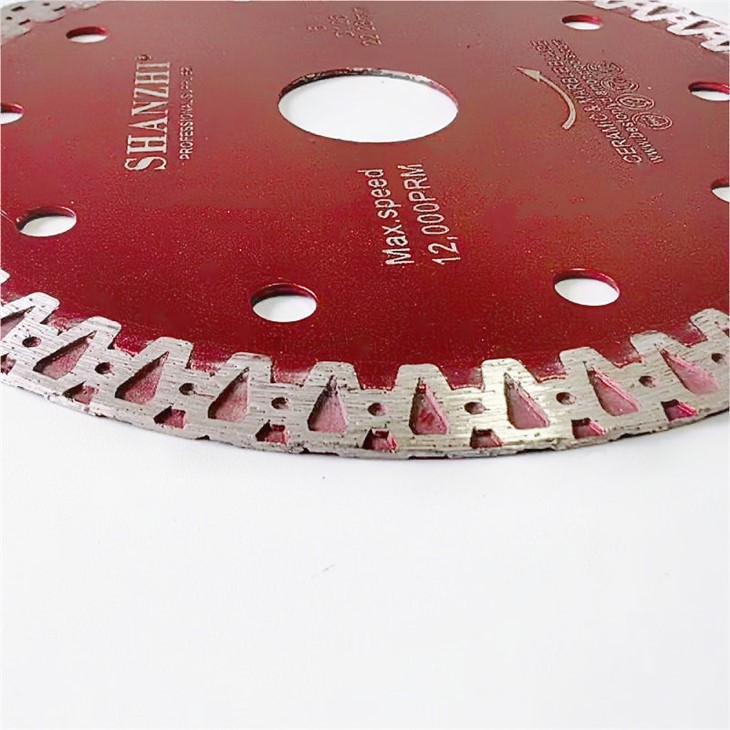
We also have Diamond Saw Blade For Ceramic Tiles And Marble Cutting. These blades are designed to cut through ceramic tiles and marble with ease. They're made with a special diamond matrix that ensures a clean, precise cut every time.
And don't forget about our Aluminium Flanges. These flanges are an important part of the machining setup, providing a stable base for the cutting tools. They're made from high-quality aluminum, which is lightweight and corrosion-resistant.
Conclusion
So, can you use CNC calibrating wheels in a vacuum environment? The answer is yes, but it comes with its challenges. With the right cooling solutions, debris management systems, and material selection, it's possible to make these wheels work effectively in a vacuum.
If you're interested in learning more about our CNC calibrating wheels or any of our other products, we'd love to hear from you. Whether you're in the aerospace, semiconductor, or any other industry, we can provide you with the high-quality tools and solutions you need. Don't hesitate to reach out and start a conversation about your specific needs. We're here to help you find the best machining solutions for your business.
References
- Smith, J. (2020). Machining in Vacuum Environments. Journal of Advanced Manufacturing Technology.
- Johnson, A. (2019). The Impact of Vacuum on Cutting Tools. International Journal of Machining Science.
- Brown, C. (2021). Materials for Vacuum Applications. Materials Research Bulletin.