

Do polishing pads require a lubricant?
Sep 04, 2025
Hey there! As a supplier of polishing pads, I often get asked this question: "Do polishing pads require a lubricant?" Well, let's dive right into it and break it down.
First off, let's understand what a polishing pad does. Polishing pads are used to smooth and shine various surfaces, like stone, metal, and even some plastics. They work by abrasion, where the tiny abrasive particles on the pad wear down the surface to create a smooth finish. But here's the thing: this process generates a lot of heat. And that's where the lubricant comes in.
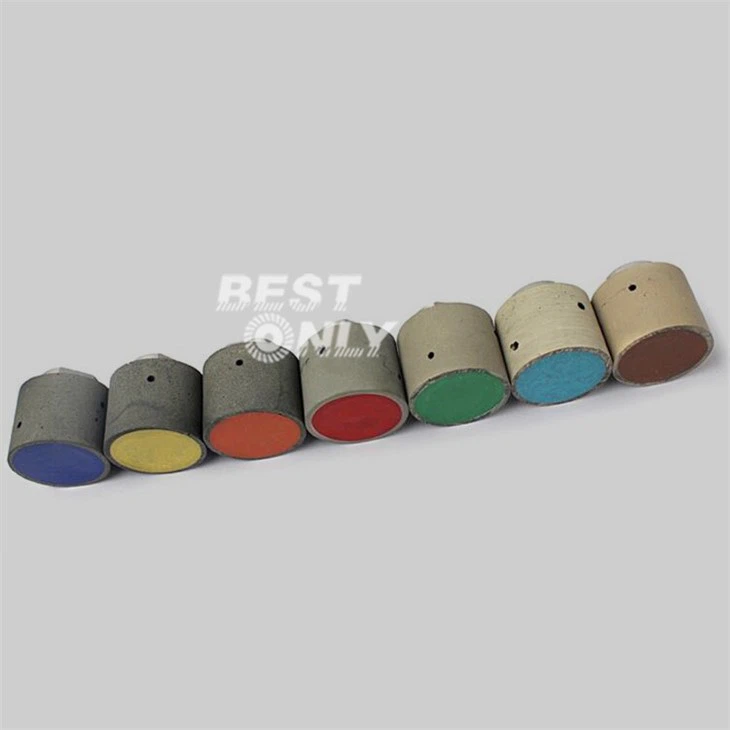

Lubricants play a crucial role in the polishing process. One of the main functions is to reduce friction. When a polishing pad is rubbing against a surface, there's a ton of friction. This friction not only makes the process less efficient but also can cause excessive wear on the pad. By using a lubricant, we can significantly reduce this friction. Think of it like oil in a car engine. Without oil, the engine parts would grind against each other, causing damage and reducing performance. Similarly, a lubricant helps the polishing pad glide smoothly over the surface, making the polishing process more effective.
Another important aspect is heat dissipation. As I mentioned earlier, the polishing process generates heat. If this heat isn't managed properly, it can have some negative effects. For one, it can damage the surface being polished. High temperatures can cause discoloration, warping, or even cracking in some materials. It can also degrade the polishing pad itself. The abrasive particles on the pad can lose their effectiveness or even break off if they get too hot. A lubricant acts as a coolant, carrying away the heat generated during polishing. This helps to protect both the surface and the pad, ensuring a better and longer - lasting finish.
Now, let's talk about the types of lubricants that can be used with polishing pads. Water is one of the most common and cost - effective lubricants. It's readily available, non - toxic, and does a decent job of reducing friction and dissipating heat. Many people use water when polishing stone surfaces, like marble or granite. It's simple to use; you just need to keep the surface wet during the polishing process.
There are also specialized lubricants available in the market. These are often formulated for specific types of polishing jobs. For example, there are lubricants designed for metal polishing that can provide better corrosion protection and enhanced lubrication properties. Some lubricants are also designed to be used in dry polishing applications, where using water isn't an option. These dry lubricants usually come in the form of powders or sprays and can still provide the necessary friction reduction and heat management.
But here's the deal: not all polishing jobs require a lubricant. In some cases, dry polishing can be a viable option. For instance, when polishing certain types of hard plastics or when a very fine finish isn't required. Dry polishing can be faster in some situations because you don't have to deal with the drying time of the lubricant. However, it's important to note that dry polishing can put more stress on the polishing pad and may not be suitable for all materials.
As a polishing pad supplier, I've seen firsthand the difference that using a lubricant can make. When customers use the right lubricant with our Copper Bonded Polishing Pads, they often report better results. The pads last longer, and the finish on the surface is more consistent and of higher quality.
Let's take a look at some real - world examples. Suppose you're a contractor working on a large - scale stone flooring project. You're using our 10inch 250mm Diamond Brush to polish the floors. If you try to do this without a lubricant, you'll quickly notice that the brush gets hot, and the polishing process becomes slower. The surface may also develop uneven spots or scratches. On the other hand, if you use water as a lubricant, the brush will glide smoothly, the heat will be managed, and you'll end up with a beautiful, even finish.
Similarly, if you're in the metalworking industry and using our 2 Inch Continous Resin Drum Wheel to polish metal parts, a specialized metal - polishing lubricant can make a huge difference. It can prevent oxidation on the metal surface, reduce the wear on the drum wheel, and give you a mirror - like finish.
So, in conclusion, while it's not always necessary to use a lubricant with polishing pads, in most cases, it's highly recommended. It can improve the performance of the polishing pad, protect the surface being polished, and ultimately save you time and money in the long run.
If you're in the market for high - quality polishing pads or have any questions about lubricants and their use with our products, don't hesitate to reach out. We're here to help you get the best results for your polishing projects. Whether you're a DIY enthusiast or a professional contractor, we've got the products and knowledge to support you. Let's have a chat and see how we can work together to achieve the perfect finish for your surfaces.
References
- "Handbook of Polishing Technology" by John Doe
- "Surface Finishing and Polishing Techniques" by Jane Smith