

How do drum grinding wheels compare in terms of grinding efficiency with belt grinders?
Jul 09, 2025
In the realm of industrial grinding and surface finishing, the choice between drum grinding wheels and belt grinders is a critical decision that can significantly impact productivity, quality, and cost. As a dedicated supplier of drum grinding wheels, I am well - versed in the unique characteristics of these tools and how they stack up against belt grinders in terms of grinding efficiency.
Understanding the Basics: Drum Grinding Wheels and Belt Grinders
Drum grinding wheels are cylindrical grinding tools with abrasive materials bonded to their outer surface. They come in various sizes, abrasive types, and bonding agents, which can be tailored to different grinding applications. These wheels are commonly used in both wet and dry grinding processes and are suitable for a wide range of materials, including metals, ceramics, and composites.
On the other hand, belt grinders use a continuous loop of abrasive belt that rotates around two or more pulleys. The abrasive belt can be made from different materials such as aluminum oxide, silicon carbide, or diamond, and it is available in various grit sizes. Belt grinders are known for their flexibility and are often used for deburring, shaping, and finishing operations.
Grinding Efficiency: A Multifaceted Concept
Grinding efficiency is not a single - dimensional metric. It encompasses several factors, including material removal rate, surface finish quality, tool wear, and energy consumption. Let's analyze how drum grinding wheels and belt grinders compare in each of these aspects.
Material Removal Rate
One of the primary indicators of grinding efficiency is the material removal rate (MRR). Drum grinding wheels typically offer a high MRR, especially when dealing with hard and brittle materials. The large contact area between the drum wheel and the workpiece allows for a significant amount of material to be removed in a single pass. For example, in the grinding of cast iron or hardened steel, drum grinding wheels can achieve a much higher MRR compared to belt grinders.
The design of drum grinding wheels also enables them to maintain a consistent cutting edge over a longer period. The abrasive grains on the drum wheel are firmly bonded, which means they can withstand high - pressure grinding operations without excessive wear. This results in a more stable MRR throughout the grinding process.
In contrast, belt grinders may have a lower MRR when it comes to hard materials. The abrasive belt has a relatively smaller contact area with the workpiece, and the abrasive grains on the belt are more prone to wear, especially during heavy - duty grinding. However, belt grinders excel in removing soft materials quickly. The flexibility of the belt allows it to conform to the shape of the workpiece, which can be advantageous for grinding irregularly shaped objects.
Surface Finish Quality
The quality of the surface finish is another crucial aspect of grinding efficiency. Drum grinding wheels can produce a smooth and uniform surface finish, especially when using fine - grit abrasive wheels. The continuous rotation of the drum wheel ensures that the abrasive action is evenly distributed across the workpiece surface. This is particularly important in applications where a high - quality surface finish is required, such as in the manufacturing of precision components.
Belt grinders can also achieve a good surface finish, but the quality may vary depending on the type of belt and the grinding parameters. The flexibility of the belt can sometimes lead to uneven surface finishes, especially if the belt is not properly tensioned or if the grinding pressure is not consistent. However, belt grinders are often used for producing a satin or brushed finish, which is desirable in many decorative applications.
Tool Wear
Tool wear is an important consideration in grinding efficiency, as it directly affects the cost of the grinding process. Drum grinding wheels generally have a lower wear rate compared to belt grinders. The bonding agents used in drum wheels hold the abrasive grains firmly in place, preventing them from falling off prematurely. This means that drum wheels can be used for a longer time before they need to be replaced, reducing the overall cost of tooling.
Belt grinders, on the other hand, are more prone to tool wear. The abrasive belt is constantly in contact with the workpiece, and the friction generated during grinding can cause the abrasive grains to wear down quickly. Additionally, the belt may stretch or tear over time, which can affect the grinding performance. Regular replacement of the abrasive belt is necessary to maintain consistent grinding results, which can increase the operating cost of the belt grinder.
Energy Consumption
Energy consumption is an increasingly important factor in modern manufacturing, as companies strive to reduce their environmental impact and operating costs. Drum grinding wheels are generally more energy - efficient than belt grinders. The high MRR and low wear rate of drum wheels mean that they can achieve the desired grinding results with less energy input. The design of the drum wheel also allows for a more efficient transfer of power from the grinding machine to the workpiece.

Belt grinders, due to their relatively lower MRR and higher tool wear, may require more energy to achieve the same level of grinding as drum grinding wheels. The continuous movement of the belt and the need to maintain proper tension also contribute to higher energy consumption.
Application - Specific Considerations
The choice between drum grinding wheels and belt grinders also depends on the specific application. In applications where high - precision grinding and a smooth surface finish are required, such as in the aerospace or automotive industries, drum grinding wheels are often the preferred choice. Their ability to maintain a consistent cutting edge and produce a uniform surface finish makes them ideal for manufacturing critical components.
For applications that involve deburring, rough shaping, or grinding of soft materials, belt grinders may be more suitable. The flexibility of the belt allows for easy access to hard - to - reach areas, and the quick material removal of soft materials can be achieved efficiently.
Complementary Products for Enhanced Grinding
In addition to drum grinding wheels, we also offer a range of complementary products that can further enhance the grinding process. For example, our V2 Electroplated Polishing Sheets are designed to provide a high - quality finish after the initial grinding process. These sheets are made with electroplated diamond abrasives, which offer excellent cutting performance and durability.
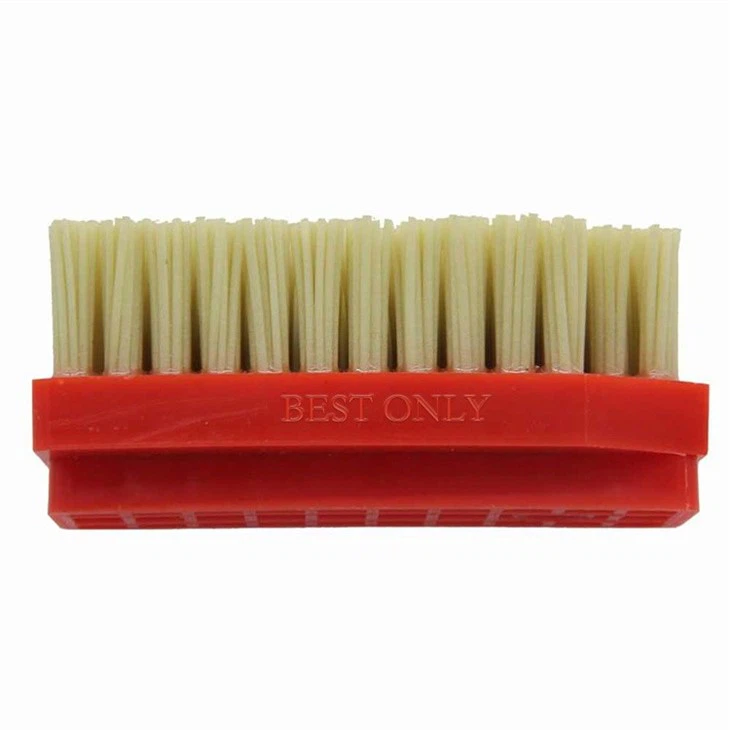
Our Fickert Diamond Brush and Frankfurt Abrasive Brush are ideal for removing burrs, cleaning, and surface texturing. These brushes are made with high - quality diamond abrasives that can effectively remove stubborn materials without damaging the workpiece surface.
Conclusion and Call to Action
In conclusion, drum grinding wheels offer several advantages in terms of grinding efficiency, including high material removal rate, good surface finish quality, low tool wear, and energy efficiency. However, the choice between drum grinding wheels and belt grinders ultimately depends on the specific application and the requirements of the workpiece.
If you are looking for high - performance drum grinding wheels or any of our complementary products, we invite you to contact us for a detailed discussion about your grinding needs. Our team of experts is ready to provide you with customized solutions and support to help you achieve the best grinding results.
References
- Trent, E. M., & Wright, P. K. (2000). Metal Cutting. Butterworth - Heinemann.
- Shaw, M. C. (2005). Metal Cutting Principles. Oxford University Press.
- Rowe, W. B. (2009). Principles of Modern Grinding Technology. Elsevier.