

How do I choose the right spindle speed for a CNC core bit?
Dec 11, 2025
Hey there, fellow CNC enthusiasts! As a supplier of CNC Core Bits, I get asked a ton of questions about the ins and outs of working with these tools. One question that comes up all the time is, “How do I choose the right spindle speed for a CNC core bit?” Today, I'm gonna break it down for you in a way that's easy to understand.
First off, let's talk about why spindle speed matters. Spindle speed plays a crucial role in the performance of your CNC core bit. If it's too slow, you might end up with a rough cut, and your bit could wear out faster. On the other hand, if it's too fast, you could risk overheating the bit, which can cause it to break or damage the material you're working on. So, getting that sweet - spot is super important.
Factors Affecting Spindle Speed
Material Type
The type of material you're cutting is the first thing you need to consider. Different materials have different hardness levels, and this directly impacts the ideal spindle speed. For example, if you're working with soft materials like wood or plastic, you can generally use a higher spindle speed. Wood is a forgiving material, and a faster speed can help you get a smooth cut. You might be able to run your CNC core bit at speeds between 10,000 and 20,000 RPM (Revolutions Per Minute).

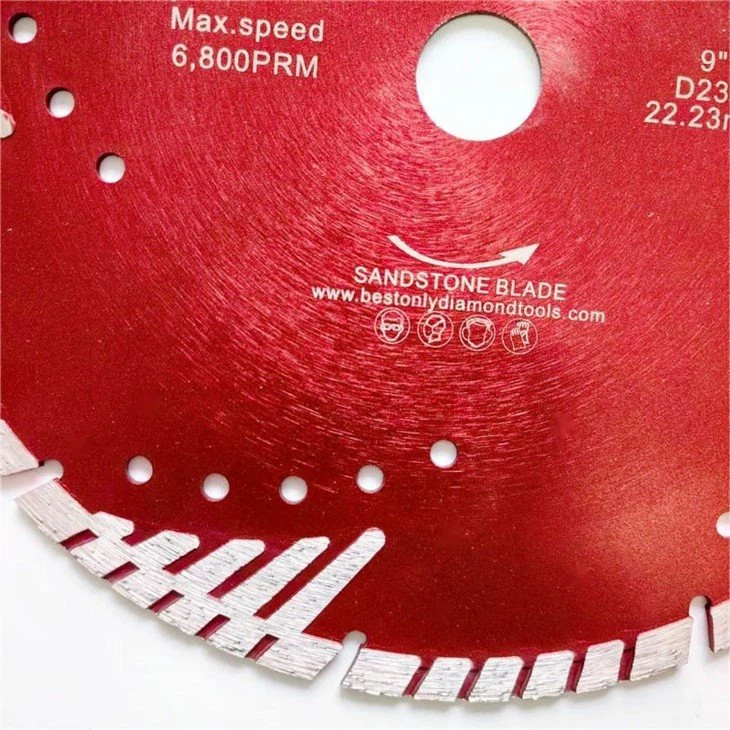
On the flip side, when you're dealing with harder materials such as metal or stone, you'll need to slow things down. Metals like steel or aluminum require lower spindle speeds, usually in the range of 2,000 to 5,000 RPM. Stone, like granite or marble, also needs a slower speed to prevent chipping and ensure a clean cut. You might be looking at speeds between 1,500 and 3,000 RPM.
Bit Diameter
The diameter of the CNC core bit is another key factor. Larger diameter bits generally need to run at lower speeds compared to smaller ones. This is because the outer edge of a larger bit travels a greater distance in one revolution than a smaller bit. If you run a large - diameter bit too fast, the outer edge can experience excessive stress, leading to premature wear or breakage.
As a general rule of thumb, for every increase in bit diameter, you should reduce the spindle speed. For example, a 1/4 - inch diameter bit might be run at a moderate speed, but if you switch to a 1 - inch diameter bit, you'll want to significantly lower the RPM.
Bit Material and Coating
The material and coating of the CNC core bit also affect the spindle speed. Bits made from high - speed steel (HSS) can usually handle a decent range of speeds, but they might not be as durable as carbide bits. Carbide bits are super hard and can withstand higher temperatures, allowing you to run them at faster speeds.
Some bits also come with special coatings, like titanium nitride (TiN) or aluminum titanium nitride (AlTiN). These coatings reduce friction and heat, which means you can often increase the spindle speed slightly compared to an uncoated bit.
Calculating the Right Spindle Speed
Now that we know the factors at play, how do we actually figure out the right spindle speed? Well, there are a couple of ways to do it.
One method is to use a formula. The basic formula for calculating spindle speed (RPM) is:
[ RPM=\frac{CS \times 12}{\pi \times D} ]
Where:
- (CS) is the cutting speed in surface feet per minute (SFM). You can find recommended SFM values for different materials and bit types in machining handbooks or online resources.
- (D) is the diameter of the bit in inches.
Let's say you're cutting aluminum with a 1/2 - inch diameter carbide bit. The recommended cutting speed for aluminum with a carbide bit is around 300 - 500 SFM. Let's use 400 SFM for our calculation.
[ RPM=\frac{400\times 12}{\pi\times0.5}\approx3056 \text{ RPM}]
This gives you a starting point, but you might need to adjust it based on your specific machine and the results you're getting.
Another way is to use trial and error. Start with a conservative speed based on the factors we've discussed, and then make small adjustments. Keep an eye on the cut quality, the wear on the bit, and the power consumption of your machine. If the cut is rough or the bit is wearing out too quickly, try reducing the speed. If the cut is too slow and the material isn't being removed effectively, increase the speed slightly.
Tools and Accessories that Complement CNC Core Bits
In addition to choosing the right spindle speed, having the right tools and accessories can make your CNC operations even better. For example, if you're working with stone, you might be interested in the Turbo Diamond Blade With Triangle Protection Teeth. This blade is designed to provide a smooth and efficient cut, and the triangle protection teeth help to extend the blade's lifespan.
When it comes to grinding, the Continous Rim Grinding Cup Wheel is a great option. It's perfect for getting a fine finish on stone surfaces and can be used in combination with your CNC core bits for a complete stone - working solution.
And for polishing, the Diamond Honeycomb Polishing Pad is a must - have. It's designed to give your stone or ceramic materials a high - gloss finish and can work wonders when used after your core drilling and grinding operations.
Making the Right Choice for Your Business
Choosing the right spindle speed for your CNC core bit is just one part of the equation. You also need to consider the overall quality of the bits and the support you're getting from your supplier. As a supplier of CNC Core Bits, I'm committed to providing high - quality products that are designed to meet the needs of both hobbyists and professionals.
If you're serious about getting the best results from your CNC operations, it's worth taking the time to experiment and find the optimal spindle speed for your specific setup. And if you have any questions along the way, don't hesitate to reach out. Whether you're new to CNC or a seasoned pro, I'm here to help you make the most of your tools.
If you're interested in purchasing CNC Core Bits or any of the other tools and accessories I've mentioned, feel free to get in touch. We can start a conversation about your specific needs, and I can help you find the right products for your projects.
References
- Machinery's Handbook, 31st Edition
- Online machining forums and communities
- Manufacturer's guidelines for CNC core bits and related tools