

How do I clean backing pads?
Jul 09, 2025
Cleaning backing pads is a crucial maintenance task that can significantly extend their lifespan and ensure optimal performance. As a reputable backing pads supplier, I understand the importance of providing high - quality products and offering guidance on their proper care. In this blog, I'll share some effective methods on how to clean backing pads, catering to different types and usage scenarios.
Understanding Backing Pads
Backing pads come in various materials and designs, each tailored to specific applications. For instance, Aluminium Backing Pads are known for their lightweight and corrosion - resistant properties, making them ideal for applications where weight is a concern. Copper Bonded Polishing Pads, on the other hand, are designed for more specialized stone - polishing tasks. They offer excellent durability and consistent performance during the polishing process.
Over time, backing pads can accumulate debris, dust, and residues from the materials they are used on. This build - up not only affects the pad's performance but can also lead to premature wear and tear. Regular cleaning is, therefore, essential to maintain their functionality.
Cleaning Steps for General Backing Pads
Step 1: Safety First
Before starting the cleaning process, it's important to take some safety precautions. Wear appropriate personal protective equipment (PPE), such as gloves and safety glasses, to protect yourself from any chemicals or debris that may be dislodged during cleaning.
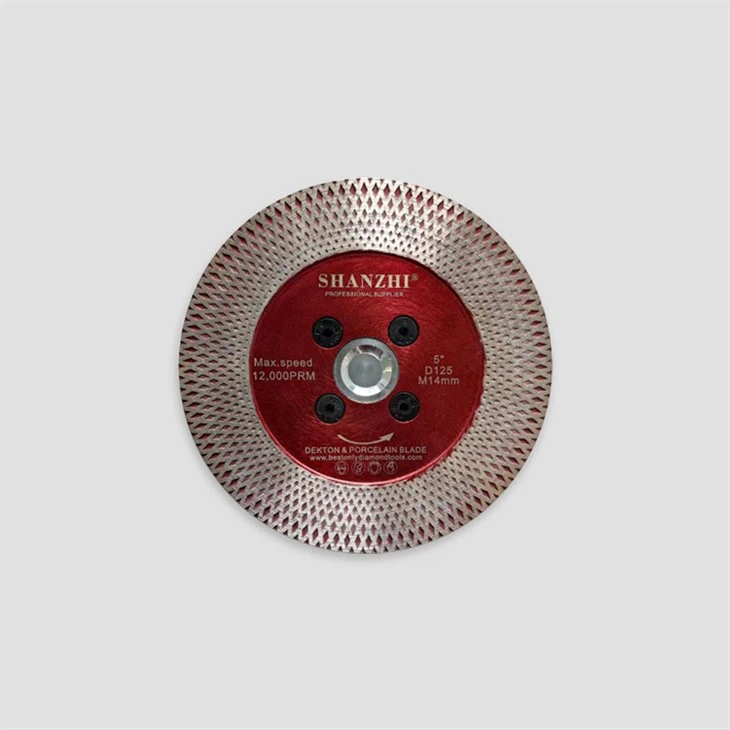
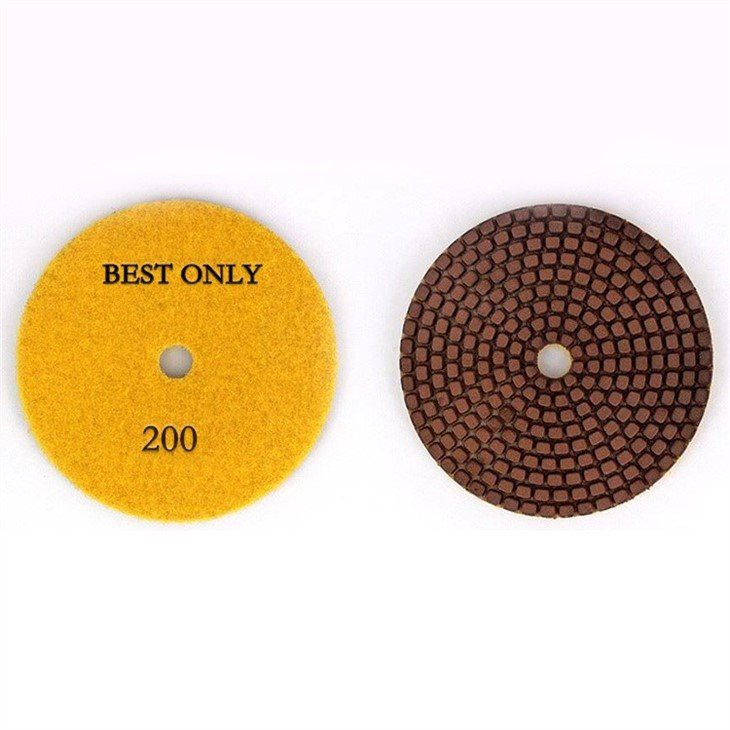
Step 2: Remove Excess Debris
Use a stiff - bristle brush to gently remove any loose debris or dust from the surface of the backing pad. This initial step helps to prevent the debris from getting further embedded in the pad during the subsequent cleaning process. Start from the outer edge of the pad and work your way towards the center, using short, firm strokes.
Step 3: Prepare a Cleaning Solution
The choice of cleaning solution depends on the type of debris and the material of the backing pad. For general cleaning, a mild detergent mixed with warm water can be an effective option. Fill a bucket with warm water and add a small amount of detergent, stirring gently to create a soapy solution.
Step 4: Soak the Backing Pad
Submerge the backing pad in the cleaning solution and let it soak for about 15 - 20 minutes. This allows the solution to penetrate the pad and loosen the stubborn dirt and residues. If the pad has heavy soiling, you may need to soak it for a longer period.
Step 5: Scrub the Pad
After soaking, use a soft - bristle brush to scrub the backing pad gently. Pay special attention to the areas with the most dirt build - up. Avoid using excessive force, as this can damage the pad. Scrub in a circular motion to ensure thorough cleaning.
Step 6: Rinse the Pad
Once you've finished scrubbing, rinse the backing pad thoroughly under running water. Make sure to remove all the soap and loosened debris from the pad. You can also use a hose to rinse the pad if it's large or has a lot of dirt.
Step 7: Dry the Pad
After rinsing, gently squeeze out any excess water from the backing pad. Then, lay it flat on a clean, dry surface to air - dry. Avoid using a high - heat dryer, as this can cause the pad to warp or shrink.
Cleaning Specialized Backing Pads
Copper Bonded Polishing Pads
Copper Bonded Polishing Pads require a more delicate cleaning approach due to the nature of their bonding material. Instead of a harsh detergent, use a mild, non - abrasive cleaner specifically designed for metal - bonded pads. Soak the pad in the cleaner for a shorter period, about 10 - 15 minutes, to avoid damaging the copper bond. When scrubbing, use a very soft brush to prevent scratching the surface. Rinse and dry the pad as described above.
Aluminium Backing Pads
Aluminium Backing Pads are relatively more robust but can still be prone to corrosion if not cleaned properly. Avoid using cleaners that contain chlorine or other harsh chemicals, as these can react with the aluminium. A simple solution of warm water and a small amount of dish soap is usually sufficient. When scrubbing, be careful not to scratch the aluminium surface, as this can compromise its integrity.
Deep Cleaning for Heavily Soiled Backing Pads
In cases where the backing pads are extremely dirty or have stubborn residues, a deep - cleaning method may be required. One option is to use an ultrasonic cleaner. Fill the ultrasonic cleaner with a suitable cleaning solution and place the backing pad inside. The ultrasonic waves create tiny bubbles that implode, effectively dislodging the dirt and debris from the pad. Follow the manufacturer's instructions for the appropriate cleaning time and solution.
Another deep - cleaning method is to use a steam cleaner. The high - temperature steam can penetrate deep into the pad and break down the dirt. Hold the steam cleaner nozzle a few inches away from the pad and move it slowly over the surface to ensure even cleaning.
Frequency of Cleaning
The frequency of cleaning depends on how often the backing pads are used and the type of work they are involved in. For light - duty applications, cleaning the pads after every 10 - 15 uses is usually sufficient. However, for heavy - duty applications, such as continuous use in a professional workshop, cleaning after every 5 - 8 uses may be necessary.
Maintenance Tips to Extend the Lifespan of Backing Pads
- Proper Storage: Store the backing pads in a clean, dry place when not in use. Avoid stacking them on top of each other, as this can cause deformation.
- Regular Inspection: Periodically inspect the backing pads for signs of wear and tear. Replace any pads that are damaged or have excessive wear to ensure consistent performance.
- Use the Right Tools: Always use the backing pads with the appropriate tools and equipment. Using the wrong tools can cause uneven wear and reduce the lifespan of the pads.
Conclusion
Cleaning backing pads is a simple yet essential task that can have a significant impact on their performance and longevity. By following the steps outlined in this blog, you can keep your backing pads in top condition and ensure they continue to deliver optimal results. Whether you're using Aluminium Backing Pads for lightweight applications or Copper Bonded Polishing Pads for specialized stone - polishing tasks, proper cleaning and maintenance are key.
If you're in the market for high - quality backing pads or need more information on their cleaning and maintenance, feel free to reach out. We're here to assist you with all your backing pad needs and are ready to engage in a fruitful procurement discussion.
References
- "Industrial Cleaning Best Practices" - A guide on cleaning industrial tools and equipment.
- "Maintenance of Abrasive Tools" - A comprehensive resource on the care and upkeep of abrasive tools, including backing pads.