

How does the resin formula affect the performance of a Resin Filled Cup Wheel?
Sep 03, 2025
Hey there! As a supplier of Resin Filled Cup Wheels, I've seen firsthand how the resin formula can have a huge impact on the performance of these essential tools. In this blog, I'm gonna break down the key ways the resin formula affects the performance of Resin Filled Cup Wheels, and why it matters to you.

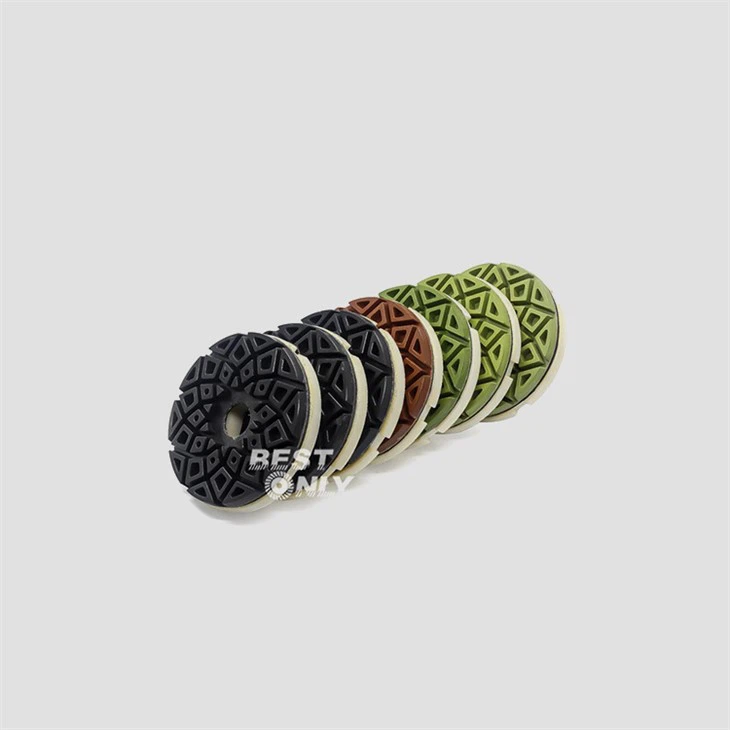
1. Abrasive Bonding and Retention
One of the most critical functions of the resin in a Resin Filled Cup Wheel is to bond the abrasive grains together and hold them in place during the grinding or polishing process. The resin formula determines how well the abrasive grains are bonded, which directly affects the wheel's cutting ability and lifespan.
A high - quality resin formula will create a strong bond between the abrasive grains, preventing them from falling out prematurely. This means the wheel can maintain its cutting edge for longer, reducing the frequency of wheel replacements. On the other hand, a poor resin formula may result in weak bonding, causing the abrasive grains to dislodge easily. This not only shortens the wheel's lifespan but also leads to inconsistent performance, as the wheel loses its cutting efficiency over time.
For example, if you're using a Resin Filled Cup Wheel to grind a hard stone surface, a wheel with a strong resin bond will be able to keep the abrasive grains in place, allowing for smooth and efficient grinding. But if the resin bond is weak, the grains will fall out quickly, and you'll find yourself having to replace the wheel more often, which can be costly and time - consuming.
2. Heat Resistance
During the grinding or polishing process, a significant amount of heat is generated due to the friction between the wheel and the workpiece. The resin formula plays a crucial role in determining the wheel's heat resistance.
A resin formula with good heat resistance can withstand high temperatures without breaking down. This is important because excessive heat can cause the resin to soften or char, which can lead to a loss of bonding strength and a change in the wheel's shape. When the resin breaks down, the abrasive grains are more likely to fall out, and the wheel may become less effective at cutting or polishing.
On the contrary, a resin formula with poor heat resistance will start to degrade at relatively low temperatures. This can result in a decrease in the wheel's performance, as well as potential damage to the workpiece. For instance, when grinding a delicate stone material, a wheel with poor heat resistance may cause thermal damage to the stone, such as cracking or discoloration.
3. Flexibility and Hardness
The resin formula also affects the flexibility and hardness of the Resin Filled Cup Wheel. Different applications require different levels of flexibility and hardness.
A more flexible resin formula can conform to the shape of the workpiece better, which is useful for polishing curved or irregular surfaces. For example, when using a Resin Filled Cup Wheel to polish the edges of a round tabletop made of stone, a flexible wheel can adapt to the curve, ensuring an even finish. However, a wheel that is too flexible may not have enough cutting power for heavy - duty grinding applications.
On the other hand, a harder resin formula provides more rigidity and is better suited for high - pressure grinding tasks. If you're grinding a thick and hard stone slab, a hard - resin wheel can maintain its shape under pressure and deliver consistent cutting performance. But a very hard wheel may be too rigid to follow the contours of a complex surface, resulting in an uneven finish.
4. Chemical Resistance
In some industrial applications, Resin Filled Cup Wheels may come into contact with various chemicals, such as coolants or cleaning agents. The resin formula determines the wheel's chemical resistance.
A resin formula with good chemical resistance can resist the corrosive effects of these chemicals, ensuring that the wheel's performance is not affected. This is especially important in environments where the wheels are frequently exposed to chemicals. For example, in a stone processing factory where coolants are used to reduce heat during grinding, a wheel with poor chemical resistance may start to deteriorate when in contact with the coolant, leading to a decrease in its lifespan and performance.
5. Compatibility with Abrasive Grains
The resin formula needs to be compatible with the type of abrasive grains used in the Resin Filled Cup Wheel. Different abrasive grains, such as diamond or silicon carbide, have different properties, and the resin must be able to bond with them effectively.
For example, diamond is an extremely hard abrasive, and the resin formula used in a diamond - filled cup wheel needs to be able to hold the diamond grains firmly. If the resin is not compatible with diamond, it may not form a strong bond, resulting in the diamond grains being easily dislodged. Similarly, when using silicon carbide abrasive grains, the resin formula should be chosen to ensure optimal bonding and performance.
Related Products
If you're interested in other stone - working products, we also offer a range of high - quality items. Check out our Snail Lock Resin Edge Polishing Pads, which are great for precise edge polishing. Our J - Slot Dekton Cutting Blades are designed for efficient cutting of Dekton materials. And for convex surface polishing, our Diamond Convex Polishing Pads are a top choice.
Conclusion
As you can see, the resin formula has a profound impact on the performance of Resin Filled Cup Wheels. From abrasive bonding and heat resistance to flexibility, hardness, chemical resistance, and compatibility with abrasive grains, every aspect of the resin formula matters.
If you're in the market for Resin Filled Cup Wheels or any of our other stone - working products, we're here to help. We offer a wide range of options with different resin formulas to meet your specific needs. Whether you're a professional stone fabricator or a DIY enthusiast, we can provide you with the right tools for the job. Don't hesitate to reach out to us for more information or to discuss your procurement needs. We're always happy to have a chat and find the best solutions for you.
References
- "Handbook of Abrasive Technology" by John C. Keefe
- "Advanced Materials for Grinding and Polishing" by David W. Conner