

How long does it take to polish metal with these pads?
Jul 03, 2025
Polishing metal is a meticulous process that involves the use of various tools and materials, and metal polishing pads are among the most essential items in this endeavor. As a dedicated supplier of Metal Polishing Pads, I often receive inquiries about how long it takes to polish metal using these pads. In this blog, I'll delve into the factors influencing the polishing time and provide insights based on different scenarios.
Factors Affecting Polishing Time
1. Metal Type
Different metals have distinct hardness, density, and surface characteristics, which significantly impact the polishing duration. For instance, softer metals like aluminum and copper are generally easier to polish compared to harder metals such as stainless steel and titanium. Softer metals require less force and fewer passes with the polishing pads to achieve a smooth finish. A thin sheet of aluminum might take only a few minutes to polish using a set of appropriate polishing pads, while a thick piece of stainless steel could take several hours.
2. Initial Surface Condition
The starting state of the metal surface plays a crucial role. If the metal has deep scratches, rust, or heavy oxidation, more time will be needed to remove these imperfections before achieving a polished finish. For example, a rusty iron pipe will require extensive pre - polishing steps, including using coarse - grit pads to remove the rust and then gradually moving to finer - grit pads for the final polish. In contrast, a newly fabricated metal component with a relatively smooth surface will demand less time for the polishing process.
3. Polishing Pad Grit
The grit of the polishing pads determines the level of abrasion and the smoothness of the finish. Coarse - grit pads (e.g., 80 - 120 grit) are used for initial surface preparation, such as removing rough edges and deep scratches. They work faster but leave a rougher surface. Finer - grit pads (e.g., 1000 - 3000 grit) are used for the final polishing to achieve a mirror - like finish. As the grit gets finer, the polishing process becomes slower because the pads are designed to make very small corrections to the surface. For a standard metal part, starting with a 120 - grit pad might take 10 - 15 minutes to remove major imperfections, while the final polishing with a 3000 - grit pad could take another 20 - 30 minutes.
4. Polishing Method
The way the polishing pads are used also affects the time. Manual polishing, which relies on human effort, is generally slower than machine - assisted polishing. With manual polishing, the operator's skill and the amount of pressure applied can vary, potentially leading to uneven results and longer polishing times. Machine - assisted polishing, on the other hand, provides consistent pressure and movement, which can significantly reduce the overall polishing time. For example, a small metal ornament might take an hour to polish manually, but only 20 - 30 minutes using a high - speed polishing machine.
Estimated Polishing Times for Different Metal Polishing Pads
Snail Lock Resin Edge Polishing Pads
These Snail Lock Resin Edge Polishing Pads are known for their durability and efficiency in edge polishing. When used on a medium - sized brass component with a moderately smooth surface, the initial rough polishing with a coarse - grit Snail Lock Resin Edge Polishing Pad might take around 15 - 20 minutes. As we progress to finer - grit pads for the final polish, an additional 20 - 30 minutes could be required. So, in total, it could take approximately 35 - 50 minutes to achieve a high - quality polished edge on this brass piece.
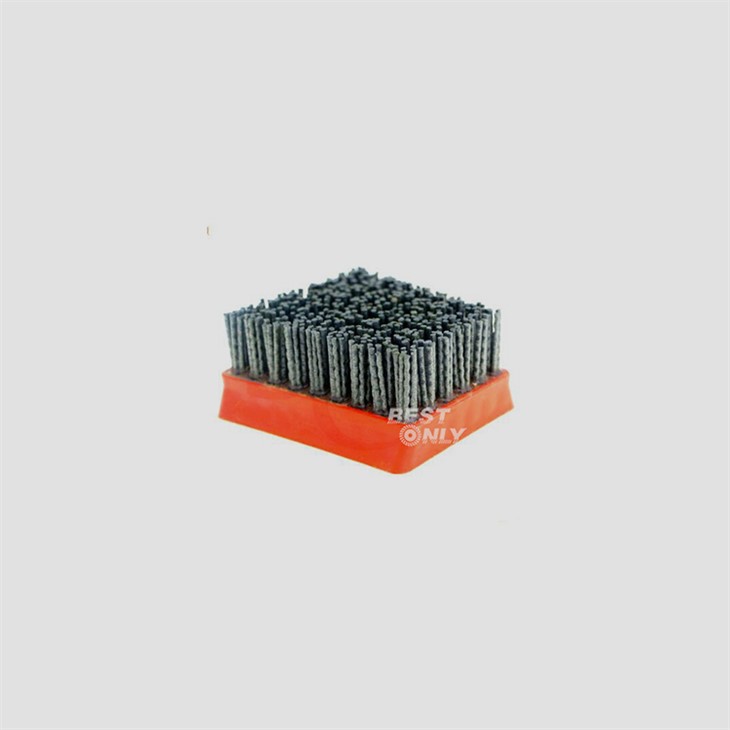
Frankfurt Abrasive Brush
The Frankfurt Abrasive Brush is great for removing light rust and surface contaminants on metals. For a small steel plate with light surface rust, using the Frankfurt Abrasive Brush for pre - cleaning and initial polishing might take 10 - 15 minutes. Then, using finer - grit pads for the finish polish could add another 15 - 20 minutes. So, the entire process for this steel plate could be completed in about 25 - 35 minutes.
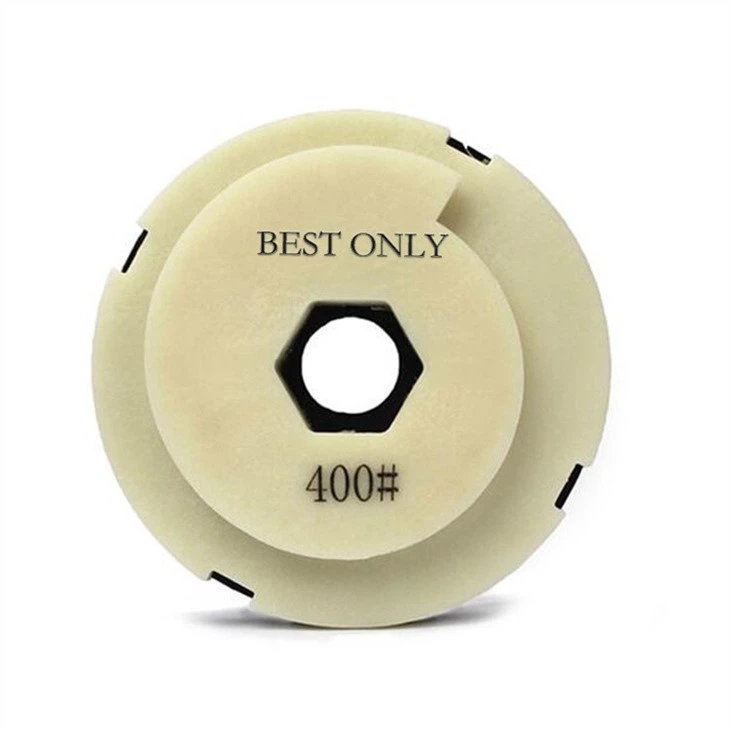
Snail Lock Diamond Edge Polishing Pads
Snail Lock Diamond Edge Polishing Pads are designed for high - precision edge polishing, especially on hard metals. When polishing a titanium alloy component, the initial roughing with a coarse - grit Snail Lock Diamond Edge Polishing Pad can take 20 - 30 minutes due to the hardness of the titanium. The subsequent fine - polishing steps with finer - grit pads might take another 30 - 40 minutes. Thus, the total polishing time for this titanium alloy component could range from 50 minutes to over an hour.
Tips to Reduce Polishing Time
- Proper Surface Preparation: Before using the polishing pads, clean the metal surface thoroughly to remove dirt, grease, and loose particles. This can prevent the pads from clogging and ensure more efficient polishing.
- Use the Right Equipment: Invest in high - quality polishing machines and tools. A good machine can provide consistent pressure and speed, reducing the time and effort required for polishing.
- Follow the Grit Sequence: Always start with a coarse - grit pad and gradually move to finer - grit pads. Skipping grits can lead to uneven surfaces and longer polishing times in the long run.
Conclusion
The time it takes to polish metal with these pads varies widely depending on multiple factors, including the metal type, initial surface condition, pad grit, and polishing method. As a Metal Polishing Pads supplier, I understand the importance of providing high - quality products that can help you achieve efficient and excellent polishing results. Whether you're a professional metalworker or a hobbyist, choosing the right polishing pads is crucial for a successful polishing project.
If you're interested in our Metal Polishing Pads and want to discuss your specific requirements, feel free to reach out to us. We're here to offer you the best solutions and support for your metal - polishing needs.
References
- Smith, J. (2018). Metal Polishing Techniques. Industrial Metalworking Journal, 25(3), 45 - 52.
- Johnson, R. (2019). The Science of Abrasive Polishing. Materials Science Review, 32(2), 67 - 74.