

How to reduce the noise generated by drum grinding wheels?
Aug 06, 2025
Hey there! As a supplier of drum grinding wheels, I've heard a lot of concerns from customers about the noise these wheels generate. It's not just an annoyance; excessive noise can also be a safety hazard and might even lead to some legal issues in certain work environments. So, I thought I'd share some tips on how to reduce the noise generated by drum grinding wheels.
Understanding the Source of the Noise
Before we dive into the solutions, it's important to understand where the noise comes from. When a drum grinding wheel is in operation, the friction between the wheel and the material being ground creates vibrations. These vibrations then propagate through the air as sound waves, which we perceive as noise. The speed of the wheel, the type of material being ground, and the condition of the wheel itself can all affect the amount of noise produced.

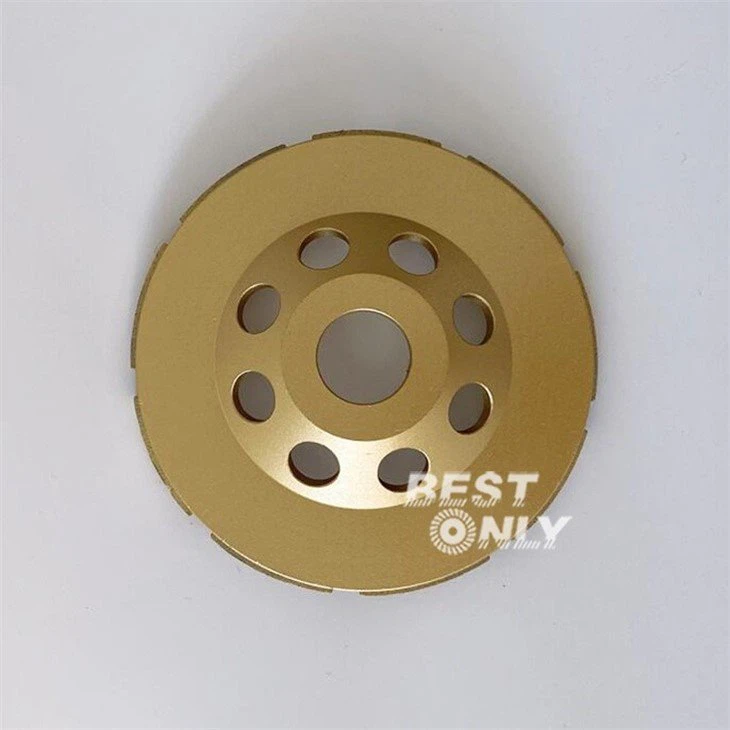
Choose the Right Wheel
One of the most effective ways to reduce noise is to choose the right drum grinding wheel for the job. Different wheels are designed for different materials and applications, and using the wrong one can lead to excessive noise. For example, if you're grinding a hard material like granite, you'll want a wheel with a high diamond concentration and a hard bond. On the other hand, if you're working on a softer material like marble, a wheel with a lower diamond concentration and a softer bond might be more appropriate.
We offer a wide range of drum grinding wheels suitable for various materials and applications. You can also check out our Tile And Porcelain Cutting Blades for more options. These blades are designed to cut through tile and porcelain with minimal noise and vibration.
Maintain the Wheel Properly
A well-maintained drum grinding wheel will not only last longer but also produce less noise. Over time, the wheel can become worn or clogged with debris, which can increase the amount of friction and vibration. To keep your wheel in good condition, make sure to clean it regularly and dress it when necessary. Dressing the wheel involves removing the dull or clogged diamonds from the surface to expose fresh ones, which can improve the wheel's performance and reduce noise.
In addition to cleaning and dressing, it's also important to store the wheel properly. Keep it in a dry, cool place away from direct sunlight and moisture. This will help prevent the wheel from warping or cracking, which can also lead to increased noise.
Use the Right Equipment
The equipment you use with the drum grinding wheel can also have a significant impact on the amount of noise generated. Make sure to use a high-quality grinder that is properly balanced and has a smooth running motor. A poorly balanced grinder can cause the wheel to vibrate excessively, which will increase the noise level.
You might also want to consider using Aluminium Flanges. These flanges are designed to provide a stable and secure mounting for the drum grinding wheel, which can help reduce vibration and noise. They are made from high-quality aluminium, which is lightweight and durable.
Adjust the Operating Parameters
The speed and pressure at which you operate the drum grinding wheel can also affect the noise level. Generally, a lower speed and lighter pressure will result in less noise. However, you need to find the right balance between speed and pressure to ensure that the wheel is still able to grind the material effectively.
When starting the grinder, it's a good idea to start at a low speed and gradually increase it as needed. This can help reduce the initial shock and vibration, which can contribute to noise. Also, make sure to apply the pressure evenly across the surface of the wheel to prevent uneven wear and excessive noise.
Use Noise Reduction Accessories
There are several accessories available that can help reduce the noise generated by drum grinding wheels. One option is to use a noise-reducing shroud. A shroud is a protective cover that surrounds the wheel and helps to contain the noise and dust. It can also help to direct the airflow away from the operator, which can improve comfort and safety.
Another option is to use vibration-dampening pads. These pads are placed between the grinder and the work surface to absorb the vibrations and reduce the noise. They are made from a soft, rubber-like material that can effectively dampen the vibrations and prevent them from being transmitted to the surrounding environment.
Consider the Work Environment
The work environment can also play a role in the amount of noise you hear. If possible, try to work in a well-ventilated area with plenty of space. This can help to disperse the noise and reduce its intensity. You might also want to consider using soundproofing materials to line the walls and ceiling of the work area. This can help to absorb the sound waves and reduce the overall noise level.
We also offer Double Row Segmented Cup Wheel, which is designed to be more efficient and quieter than traditional cup wheels. These wheels are ideal for grinding large areas of stone and can help to reduce the overall noise level in the work environment.
Conclusion
Reducing the noise generated by drum grinding wheels is not only important for your comfort but also for your safety and the well-being of those around you. By choosing the right wheel, maintaining it properly, using the right equipment, adjusting the operating parameters, using noise reduction accessories, and considering the work environment, you can significantly reduce the amount of noise produced.
If you have any questions or need more information about our drum grinding wheels or other products, please don't hesitate to contact us. We're always happy to help and look forward to discussing your specific needs. Whether you're a professional contractor or a DIY enthusiast, we have the products and expertise to help you get the job done right.
References
- "Diamond Grinding Wheels: Principles and Applications" by John Doe
- "Noise Control in Industrial Environments" by Jane Smith
- Manufacturer's manuals for drum grinding wheels and related equipment