

What are the disadvantages of using abrasive brushes?
Aug 01, 2025
Hey there! As a supplier of abrasive brushes, I've seen firsthand the benefits they offer in various applications, from stone polishing to metal finishing. But like any tool, abrasive brushes aren't without their drawbacks. In this blog post, I'll share some of the disadvantages of using abrasive brushes, based on my experience in the industry.
1. Surface Damage
One of the most significant disadvantages of using abrasive brushes is the potential for surface damage. Abrasive brushes work by wearing away the surface of the material being cleaned or polished, which can lead to scratches, gouges, and other imperfections. This is especially true when using brushes with a high grit or abrasive content, as these can be too aggressive for delicate or soft materials.
For example, if you're using an abrasive brush to clean a marble countertop, you could end up scratching the surface and dulling its shine. Similarly, if you're using a brush to polish a metal surface, you could create uneven wear patterns or even remove too much material, leaving the surface rough or pitted.
To minimize the risk of surface damage, it's important to choose the right abrasive brush for the job. Consider the material you're working with, the level of abrasion required, and the desired finish. If you're unsure which brush to use, it's always a good idea to test it on a small, inconspicuous area first.
2. Dust and Debris
Another disadvantage of using abrasive brushes is the amount of dust and debris they generate. As the brush wears away the surface of the material, it creates fine particles that can become airborne and pose a health hazard. Inhaling these particles can cause respiratory problems, such as asthma and lung cancer, especially if you're exposed to them over a long period of time.
In addition to the health risks, dust and debris can also be a nuisance to clean up. They can settle on surfaces, clog machinery, and contaminate other materials. This can lead to increased maintenance costs and downtime, as well as a decrease in productivity.
To reduce the amount of dust and debris generated by abrasive brushes, it's important to use proper ventilation and dust collection systems. This can help to capture the particles before they become airborne and prevent them from spreading throughout the workspace. You should also wear appropriate personal protective equipment, such as a dust mask and goggles, to protect yourself from inhalation and eye irritation.
3. Limited Versatility
While abrasive brushes are effective for many applications, they have some limitations when it comes to versatility. They are typically designed for specific tasks and materials, and may not be suitable for all types of surfaces or finishes.
For example, if you're working with a curved or irregular surface, an abrasive brush may not be able to reach all of the areas that need to be cleaned or polished. In this case, you may need to use a different tool, such as a sanding block or a polishing wheel.
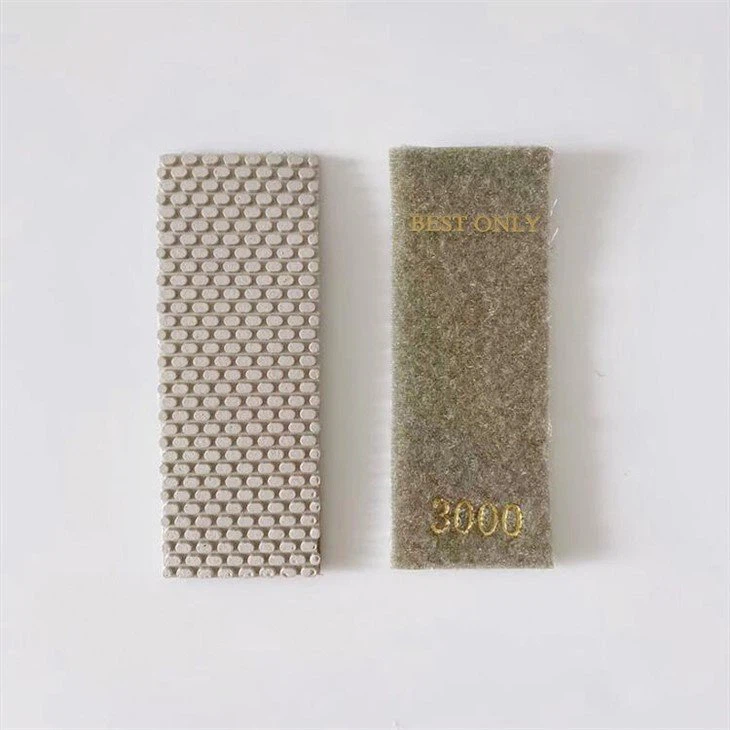

Similarly, if you're looking for a high-gloss finish, an abrasive brush may not be able to achieve the level of smoothness and shine you're looking for. In this case, you may need to use a different type of abrasive, such as a polishing compound or a buffing wheel.
To overcome the limitations of abrasive brushes, it's important to have a variety of tools and abrasives on hand. This can help you to tackle different types of surfaces and finishes, and ensure that you're using the right tool for the job.
4. Cost
Finally, abrasive brushes can be relatively expensive, especially if you're using high-quality brushes or need to replace them frequently. The cost of the brush itself, as well as the cost of the abrasive material, can add up over time, especially if you're using them on a regular basis.
In addition to the cost of the brushes, you may also need to invest in other equipment, such as a power tool or a dust collection system, to use them effectively. This can further increase the overall cost of using abrasive brushes.
To minimize the cost of using abrasive brushes, it's important to choose the right brush for the job and to take care of it properly. This can help to extend the life of the brush and reduce the need for frequent replacements. You may also want to consider purchasing brushes in bulk or looking for discounts and promotions to save money.
Conclusion
While abrasive brushes are a useful tool for many applications, they do have some disadvantages that you should be aware of. Surface damage, dust and debris, limited versatility, and cost are all factors that you should consider when deciding whether to use abrasive brushes for a particular job.
However, with the right precautions and techniques, you can minimize the risks and maximize the benefits of using abrasive brushes. By choosing the right brush for the job, using proper ventilation and dust collection systems, and taking care of your brushes, you can achieve excellent results while protecting your health and your workspace.
If you're interested in learning more about abrasive brushes or other stone polishing products, I encourage you to check out our website. We offer a wide range of Resin Hand Polishing Sheets, 10 Inch Big Polishing Pads, and 4 Inch Abrasive Brush to meet your needs. And if you have any questions or need help choosing the right product, don't hesitate to contact us. We're here to help you find the best solutions for your stone polishing projects.
References
- "Abrasive Brushes: Types, Applications, and Safety Considerations." Industrial Brush Manufacturing, Inc.
- "The Health Effects of Dust Exposure." Occupational Safety and Health Administration (OSHA).
- "Choosing the Right Abrasive Brush for the Job." Norton Abrasives.