

What are the reasons to use backing pads instead of direct tool - to - surface contact?
Dec 29, 2025
In the realm of industrial and DIY applications, the choice between using backing pads and direct tool - to - surface contact is a crucial one that can significantly impact the quality of work, the lifespan of tools, and overall efficiency. As a supplier of backing pads, I have witnessed firsthand the numerous advantages that backing pads offer over direct contact. In this blog post, I will delve into the reasons why using backing pads is a smart choice for various applications.
1. Protection of the Work Surface
One of the primary reasons to use backing pads is to protect the work surface from damage. When a tool comes into direct contact with a surface, it can cause scratches, dents, or other forms of abrasion. This is especially true for delicate or sensitive materials such as marble, granite, or painted surfaces. Backing pads act as a buffer between the tool and the surface, distributing the pressure evenly and reducing the risk of damage.
For example, when sanding a wooden surface, a backing pad can prevent the sandpaper from digging too deeply into the wood, resulting in a smoother and more even finish. Similarly, when polishing a stone surface, a backing pad can help to prevent the abrasive particles from scratching the surface, leaving it with a high - gloss shine.
2. Improved Tool Performance
Backing pads can also enhance the performance of the tool itself. By providing a stable and uniform surface for the tool to operate on, backing pads can improve the efficiency and effectiveness of the tool. They can help to keep the tool in place, reducing the risk of slippage and ensuring that the tool is working at its optimal level.
In the case of grinding or polishing tools, backing pads can help to maintain the correct angle and pressure, which is essential for achieving a consistent finish. For instance, a Resin Filled Turbo Cup Wheel used with a proper backing pad can work more efficiently, as the backing pad helps to distribute the load evenly across the wheel, reducing uneven wear and tear.
3. Extended Tool Lifespan
Using backing pads can significantly extend the lifespan of your tools. When a tool is in direct contact with a surface, it is subject to more wear and tear due to the friction and pressure. Backing pads reduce the direct impact on the tool, which means that the tool experiences less stress and lasts longer.
For example, a drill bit used with a backing pad will experience less wear on its cutting edges, as the backing pad helps to absorb some of the shock and vibration during the drilling process. This not only saves you money on replacing tools but also reduces downtime due to tool failures.
4. Versatility
Backing pads offer a high degree of versatility. They can be used with a wide range of tools and on various surfaces. Whether you are using a sander, polisher, grinder, or other power tools, there is likely a backing pad that is suitable for the job.
You can find backing pads in different sizes, shapes, and materials to meet the specific requirements of your project. For example, if you are working on a large - scale project, you may choose a larger backing pad to cover more surface area quickly. On the other hand, if you are working on a detailed or intricate project, a smaller backing pad may be more appropriate.

5. Better Dust Collection
In many applications, dust collection is an important consideration. When using a tool without a backing pad, dust can be scattered in all directions, creating a messy and potentially hazardous work environment. Backing pads can be designed to work in conjunction with dust collection systems, helping to capture the dust at the source.
Some backing pads have built - in holes or channels that allow dust to be drawn into the dust collection system more effectively. This not only keeps the work area clean but also protects the operator from inhaling harmful dust particles.
6. Enhanced Comfort and Safety
Using backing pads can also improve the comfort and safety of the operator. They can reduce the vibration and noise generated by the tool, making the work experience more pleasant. Additionally, by providing a better grip and control, backing pads can reduce the risk of accidents caused by the tool slipping out of the operator's hand.
For example, when using a heavy - duty grinder, a backing pad with a comfortable grip can make it easier for the operator to hold the tool steady, reducing the risk of fatigue and potential injuries.
7. Compatibility with Different Abrasives
Backing pads are compatible with a variety of abrasives, including sandpaper, abrasive discs, and polishing pads. This allows you to switch between different levels of abrasiveness easily, depending on the requirements of your project.
For instance, you can start with a coarse - grit abrasive for rough sanding and then switch to a fine - grit abrasive for a smooth finish, all while using the same backing pad. This flexibility makes backing pads a valuable addition to any toolbox.
8. Cost - Effectiveness
In the long run, using backing pads can be a cost - effective solution. Although there is an initial investment in purchasing the backing pads, the savings from extended tool lifespan, reduced surface damage, and improved efficiency can outweigh the cost.
For example, if you are a professional contractor, the money saved on replacing tools and re - working damaged surfaces can be substantial over time. Even for DIY enthusiasts, using backing pads can help you achieve better results with less effort and expense.
Applications of Backing Pads
Backing pads have a wide range of applications across different industries. In the construction industry, they are used for tasks such as grinding and polishing concrete floors, sanding wooden beams, and finishing stone facades. A High - Strength Wear - Resistant Excavator Bucket may also benefit from backing pads in some maintenance and preparation processes.
In the automotive industry, backing pads are used for sanding and polishing bodywork, ensuring a smooth and flawless finish. In the woodworking industry, they are essential for achieving a professional - looking finish on furniture and other wooden products.
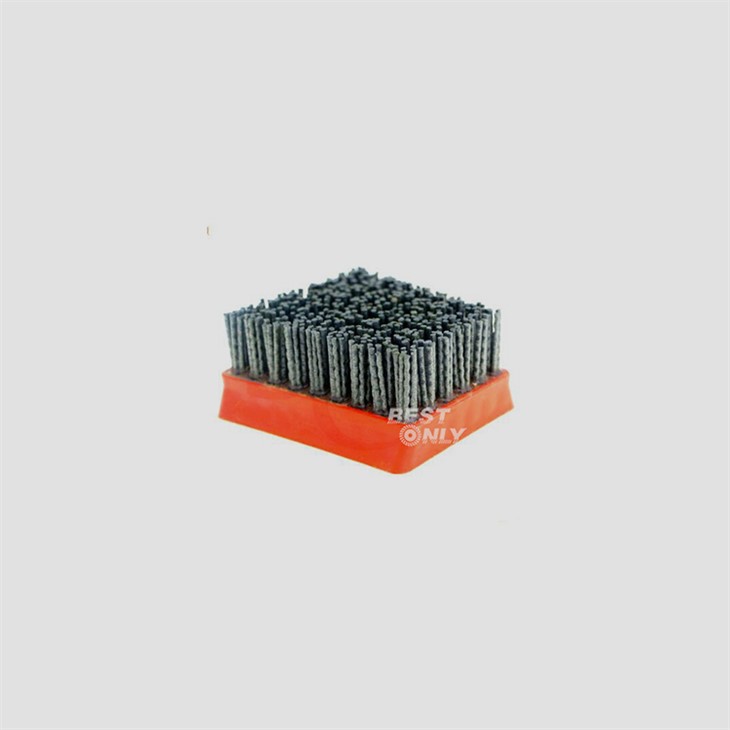
In the stone - working industry, backing pads are used with tools like the Frankfurt Abrasive Brush for polishing and cleaning stone surfaces.
Conclusion
In conclusion, the reasons to use backing pads instead of direct tool - to - surface contact are numerous and compelling. From protecting the work surface and improving tool performance to extending tool lifespan and enhancing comfort and safety, backing pads offer a range of benefits that make them an essential tool for both professionals and DIY enthusiasts.
If you are in need of high - quality backing pads for your projects, we are here to help. Our wide selection of backing pads is designed to meet the diverse needs of different industries and applications. We offer competitive prices, excellent customer service, and fast delivery.
Whether you are working on a small DIY project or a large - scale industrial job, our backing pads can make a significant difference in the quality of your work. Contact us today to discuss your specific requirements and start reaping the benefits of using backing pads.
References
- "Industrial Tool Handbook", Third Edition, John Wiley & Sons
- "The Art of Surface Finishing", American Society for Metals
- "Tool Maintenance and Efficiency", Industrial Engineering Journal