

What is the difference between wet and dry granite polishing pads?
Jul 08, 2025
Hey there! As a supplier of Granite Polishing Pads, I've been getting a lot of questions lately about the difference between wet and dry granite polishing pads. So, I thought I'd take a few minutes to break it down for you.
What Are Granite Polishing Pads?
First off, let's quickly talk about what granite polishing pads are. These are essential tools in the stone - working industry. They're used to give granite surfaces that smooth, shiny finish you see in kitchens, bathrooms, and other high - end places. They come in different grits, which determine how coarse or fine the polishing action is.
Wet Granite Polishing Pads
Let's start with wet granite polishing pads. As the name suggests, these pads are used with water. You might be wondering why water is involved. Well, there are several good reasons.
Cooling Effect
One of the main benefits of using wet pads is the cooling effect. When you're polishing granite, friction is generated. This friction can create a lot of heat. Too much heat can damage the granite surface and even wear out the polishing pad faster. Water acts as a coolant. It keeps the temperature down, ensuring that the granite and the pad stay in good condition. For example, if you're working on a large granite countertop for a long time, using wet pads will prevent the granite from cracking due to overheating.
Dust Suppression
Another big plus is dust suppression. Polishing granite dry can create a huge amount of dust. This dust is not only messy but can also be harmful to your health if inhaled. When you use water with the pads, it captures the dust particles. The water turns the dust into a slurry, which is much easier to clean up. This is especially important in indoor environments like homes and commercial buildings where you don't want dust floating around.

Smoother Finish
Wet pads often provide a smoother finish. The water helps the pad glide over the granite surface more easily. It fills in the tiny gaps and scratches, allowing the pad to work more effectively. This results in a more uniform and shiny finish. If you're aiming for a high - end, showroom - quality finish, wet pads are usually the way to go.
However, there are some downsides to using wet pads. They require a water source, which can be a hassle if you're working in a location without easy access to water. Also, you need to dry the granite surface thoroughly after polishing to prevent water stains.
Dry Granite Polishing Pads
Now, let's look at dry granite polishing pads. These pads are designed to work without water. They have their own set of advantages and disadvantages.
Mobility
One of the biggest advantages of dry pads is mobility. You don't need a water source, so you can work anywhere. This is great for outdoor projects or areas where water is scarce. For instance, if you're polishing granite steps outside a building, you can easily move around without having to worry about dragging a hose or finding a water outlet.
Faster Initial Polishing
Dry pads can sometimes provide a faster initial polishing. Since there's no water to slow down the process, you can cover more area in less time. This can be beneficial if you're on a tight schedule. However, keep in mind that the final finish might not be as smooth as with wet pads.
Less Drying Time
After you're done polishing with dry pads, there's no need to wait for the surface to dry. This can save you a lot of time, especially if you need to move on to the next step in the project quickly.
But dry pads also have their drawbacks. As mentioned earlier, they create a lot of dust. You'll need to use proper dust - collection equipment to keep the area clean and protect your health. Also, due to the lack of cooling, the pads can wear out faster, and there's a higher risk of damaging the granite surface from overheating.
Comparing the Two
When it comes to choosing between wet and dry granite polishing pads, it really depends on your specific needs. If you're working indoors, want a high - quality finish, and have easy access to water, wet pads are a great choice. On the other hand, if you're working outdoors, short on time, and don't mind dealing with dust, dry pads might be more suitable.
In some cases, you might even want to use a combination of both. For example, you could start with dry pads for the initial rough polishing to cover more area quickly. Then, switch to wet pads for the final, high - shine finish.
Related Products
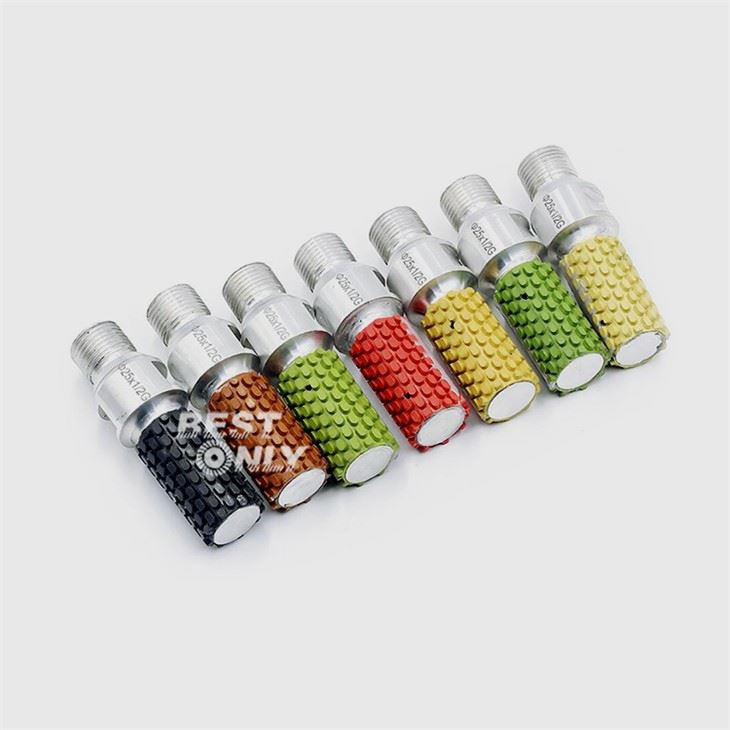
If you're in the market for other stone - working tools, we also offer some great products. Check out our Double Sided Segmented Blade For Tile And Ceramic. This blade is perfect for cutting through tile and ceramic materials. We also have the 25mm Diamond Drum Grinding Wheel, which is great for grinding granite and other stones. And of course, our 3 Steps Granite Polishing Pads are a popular choice for achieving a beautiful finish on granite surfaces.
Contact for Purchase
If you're interested in buying our granite polishing pads or any of our other products, don't hesitate to reach out. We're always happy to help you find the right products for your project. Whether you need wet or dry pads, we have a wide range of options to suit your needs.
References
- "Stone Polishing Techniques and Best Practices" - Industry handbook on stone working
- "Health and Safety in Stone Polishing" - A study on the impact of dust and heat in granite polishing processes.