

What is the difference in performance between cheap and expensive resin polishing pads?
Jan 07, 2026
When it comes to resin polishing pads, one of the most common questions I encounter as a supplier is about the difference in performance between cheap and expensive options. In this blog post, I'll dive deep into this topic, exploring the various factors that set these two categories apart and how they impact the overall polishing process.
Material Quality
The most fundamental difference between cheap and expensive resin polishing pads lies in the quality of materials used. Expensive pads typically incorporate high - grade resins and premium abrasive particles. These high - quality resins have better heat resistance and bonding strength. When the pad is in use, it generates a significant amount of heat due to friction. A high - grade resin can withstand this heat without deforming or losing its shape, ensuring consistent performance throughout the polishing process.
On the other hand, cheap resin polishing pads often use lower - quality resins. These resins may break down quickly under high - heat conditions, causing the abrasive particles to fall off prematurely. As a result, the pad loses its cutting ability and may leave scratches on the surface being polished. The abrasive particles in expensive pads are also more uniform in size and hardness. This uniformity allows for a more even and consistent polishing action, resulting in a smoother and more polished finish. In contrast, the abrasive particles in cheap pads can vary widely in size and quality, leading to an uneven finish and potentially requiring more time and effort to achieve the desired result.
Manufacturing Process
The manufacturing process of resin polishing pads also plays a crucial role in their performance. Expensive pads are usually produced using advanced manufacturing techniques and strict quality control measures. For example, the mixing of resin and abrasive particles is done with high precision to ensure an even distribution. This even distribution is essential for consistent cutting and polishing performance across the entire surface of the pad.
In addition, expensive pads often undergo a more thorough curing process. This curing process helps to enhance the strength and durability of the resin, making the pad more resistant to wear and tear. Cheap pads, on the other hand, may be produced using less sophisticated manufacturing methods. The mixing of materials may not be as precise, leading to an uneven distribution of abrasive particles. The curing process may also be shorter or less controlled, resulting in a weaker and less durable pad.
Performance in Different Applications
Wet Polishing
In wet polishing applications, expensive resin polishing pads tend to perform better than cheap ones. The high - quality resin in expensive pads is more resistant to water and chemical corrosion. This means that the pad can maintain its integrity and performance even when exposed to water - based polishing agents for extended periods. The premium abrasive particles also work more effectively in wet conditions, providing a faster and more efficient cutting action.
Cheap pads, however, may experience problems such as delamination or swelling when used in wet polishing. The lower - quality resin may not be able to withstand the water and chemicals, causing the pad to break down or lose its shape. The abrasive particles may also become less effective in wet conditions, leading to a slower and less efficient polishing process.
Dry Polishing
Dry polishing is a more challenging application as it generates more heat. Expensive resin polishing pads are designed to handle the high heat generated during dry polishing. The high - grade resin and advanced manufacturing techniques make them more heat - resistant, allowing them to maintain their cutting ability and shape even under extreme conditions.
Cheap pads, on the other hand, are more likely to overheat and break down during dry polishing. The lower - quality resin can melt or char, causing the abrasive particles to fall off and leaving behind a damaged surface. This can not only affect the quality of the finish but also pose a safety risk due to the potential for debris to be ejected from the pad.
Durability and Longevity
One of the most significant differences between cheap and expensive resin polishing pads is their durability and longevity. Expensive pads are built to last. Thanks to their high - quality materials and advanced manufacturing processes, they can withstand a greater number of polishing cycles before needing to be replaced. This means that in the long run, using expensive pads can actually be more cost - effective, as you won't have to replace them as frequently.
Cheap pads, on the other hand, have a much shorter lifespan. They are more prone to wear and tear, and their performance can degrade rapidly after just a few uses. This can lead to increased costs over time, as you'll need to purchase new pads more often.
Cost - Benefit Analysis
When considering whether to invest in cheap or expensive resin polishing pads, it's important to conduct a cost - benefit analysis. While the upfront cost of expensive pads is higher, their superior performance, durability, and longevity can result in significant savings in the long run. For professional stone fabricators or contractors who rely on high - quality finishes and efficient work processes, the investment in expensive resin polishing pads is often well worth it.

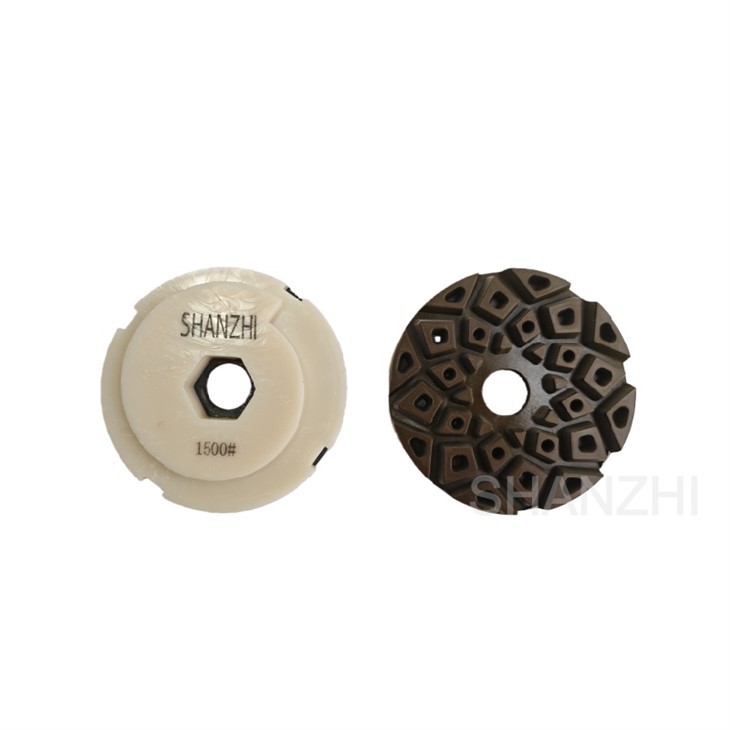
On the other hand, for DIY enthusiasts or those with occasional polishing needs, cheap pads may be a more budget - friendly option. However, it's important to keep in mind that the quality of the finish may not be as high, and you may need to spend more time and effort to achieve the desired result.
Our Product Offerings
As a supplier of resin polishing pads, we offer a range of products to meet different needs and budgets. Our high - end resin polishing pads, such as the Snail Lock Diamond Wheel, are made with the highest quality materials and advanced manufacturing techniques. They are designed to provide superior performance in both wet and dry polishing applications, delivering a smooth and consistent finish every time.
We also offer more budget - friendly options for those who are looking for a cost - effective solution. Our Diamond Grinding Tool For Stone and 10inch Abrasive Brush for Stone are suitable for a variety of stone polishing tasks and provide a good balance between performance and cost.
Conclusion
In conclusion, the difference in performance between cheap and expensive resin polishing pads is significant. Expensive pads offer superior material quality, better manufacturing processes, and enhanced performance in different applications. They are also more durable and long - lasting, making them a better investment in the long run. However, the choice between cheap and expensive pads ultimately depends on your specific needs and budget.
If you're interested in learning more about our resin polishing pads or would like to discuss your specific requirements, please don't hesitate to contact us. We're here to help you find the best solution for your polishing needs.
References
- "Stone Polishing Technology" by John Smith
- "Advances in Abrasive Materials for Polishing" by Jane Doe
- Industry reports on resin polishing pad performance and quality