

What is the lifespan of resin polishing pads under normal use?
Dec 15, 2025
Resin polishing pads are essential tools in the stone polishing industry, known for their versatility and effectiveness in achieving high - gloss finishes on various stone surfaces. As a supplier of resin polishing pads, I'm often asked about their lifespan under normal use. Understanding this aspect is crucial for both professional stoneworkers and DIY enthusiasts, as it directly impacts cost - effectiveness and project planning.
Factors Affecting the Lifespan of Resin Polishing Pads
Stone Type
One of the most significant factors is the type of stone being polished. Softer stones such as marble are less abrasive compared to harder stones like granite. When used on marble, resin polishing pads generally last longer because they face less resistance and wear. Marble has a Mohs hardness scale rating of around 3 - 4, meaning that the resin and diamond particles in the pads are subjected to relatively mild abrasion during the polishing process.
On the other hand, granite has a Mohs hardness of 6 - 7. The high hardness of granite requires the pads to work harder to remove scratches and achieve a smooth finish. As a result, the diamond particles on the resin polishing pads wear down more quickly, reducing their overall lifespan. For example, a set of resin polishing pads that could last for 100 square meters of marble polishing might only be effective for 30 - 50 square meters of granite polishing.
Pressure and Usage Frequency
The amount of pressure applied during the polishing process also plays a crucial role. Excessive pressure can cause the diamond particles on the resin pads to break off prematurely. Professional stoneworkers are trained to apply the right amount of pressure, varying it according to the stage of polishing and the type of stone. A beginner might apply too much pressure out of over - enthusiasm, leading to a shorter lifespan for the pads.
Usage frequency is another important factor. If the pads are used continuously for long periods without proper breaks, they can overheat. Overheating can cause the resin binder to break down, loosening the diamond particles and reducing the effectiveness of the pads. For instance, if a contractor uses the resin polishing pads for 8 - 10 hours a day without allowing them to cool down, the pads may only last half as long as they would with proper usage intervals.
Water Usage
Water is a vital component in the stone polishing process. It serves multiple purposes, including cooling the pads and flushing away debris. When polishing with resin pads, using an adequate amount of water helps to keep the temperature of the pads in check. This prevents the breakdown of the resin binder and ensures that the diamond particles remain firmly attached.
If water is not used properly, or if the flow rate is too low, the pads can overheat. In addition, without sufficient water to flush away the dust and debris, the abrasive particles can clog the pores of the resin pads. Clogged pads are less effective at polishing and can wear out faster. It is recommended to maintain a consistent water flow during the entire polishing process.
Average Lifespan of Resin Polishing Pads
Under normal use, which includes proper pressure application, appropriate water usage, and not overly extended continuous operation, resin polishing pads can last for a certain number of square meters of stone polishing.
For general marble polishing, a set of resin polishing pads can cover approximately 80 - 120 square meters. The coarser grit pads, which are used in the initial stages of the polishing process, tend to have a shorter lifespan because they are tasked with removing larger scratches and imperfections. Finer grit pads, on the other hand, are used for the final stages of polishing and can last a bit longer as they work on a more refined surface.
When it comes to granite polishing, the average lifespan of resin polishing pads drops to around 30 - 60 square meters. The hardness of granite makes it more challenging for the pads to work on, and the diamond particles wear down more rapidly.
If the resin polishing pads are used on engineered stones, such as quartz countertops, their lifespan is usually between that of marble and granite. Engineered stones have different compositions, but generally, they are harder than marble but softer than granite. A set of resin polishing pads can typically cover 50 - 90 square meters of engineered stone polishing.
Extending the Lifespan of Resin Polishing Pads
Proper Storage
Proper storage of resin polishing pads is essential for maintaining their quality and extending their lifespan. Pads should be stored in a cool, dry place away from direct sunlight. Exposure to high temperatures and humidity can cause the resin binder to deteriorate over time. It is also a good idea to store the pads in their original packaging or a dedicated storage container to protect them from dust and physical damage.
Regular Cleaning
After each use, the resin polishing pads should be cleaned thoroughly. This involves rinsing them with clean water to remove any debris and dust. For stubborn stains or clogs, a mild detergent can be used. However, it is important to avoid using harsh chemicals that could damage the resin binder or the diamond particles. Once cleaned, the pads should be allowed to dry completely before storage.
Using Compatible Tools
Using the right tools is crucial for the longevity of resin polishing pads. The polishing machine should be properly calibrated to the appropriate speed and pressure settings. Using a machine that is too powerful or too weak can cause uneven wear on the pads. Additionally, the backing pad of the machine should be in good condition to ensure a smooth and even polishing surface.
Our Product Range and Related Tools
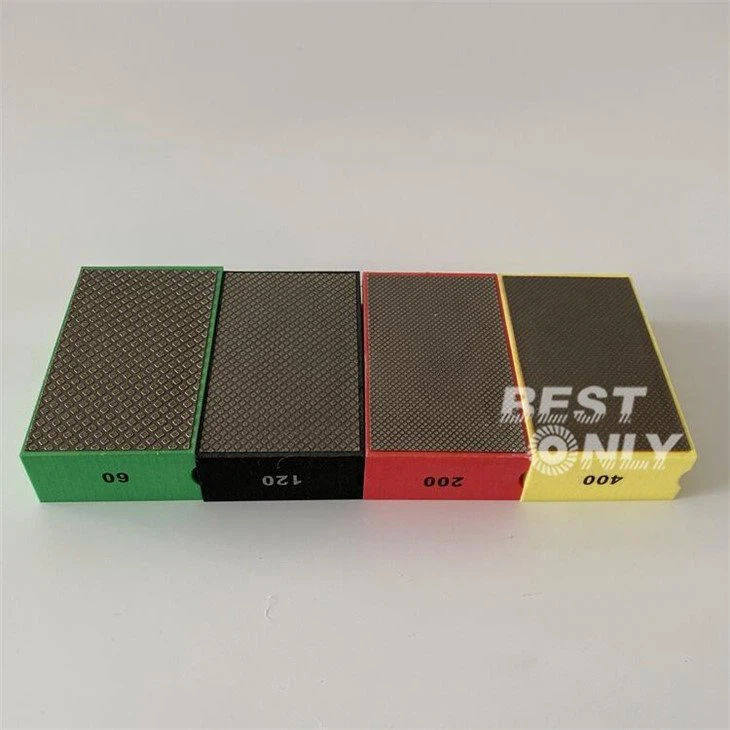
As a supplier of resin polishing pads, we also offer a range of related tools and products that can enhance the stone polishing process. For example, we have Electroplated Hand Polishing Pads, which are ideal for small - scale or detailed polishing work. These pads are highly abrasive and can provide a quick and efficient way to polish narrow or hard - to - reach areas.

We also supply Double Layer Holes Drilling Bits for stone drilling applications. These bits are designed to provide high - precision drilling in various types of stone, ensuring clean and accurate holes.
Another product in our range is the Fickert Abrasive Brush. This brush is used for surface preparation and can help to remove stubborn stains and scratches on stone surfaces before the polishing process.
Contact Us for Purchase and Consultation
If you are in the market for high - quality resin polishing pads or any of our related products, we invite you to contact us for a purchase consultation. We have a team of experts who can provide you with detailed information about our products, including their specifications, performance, and pricing. Whether you are a professional stone contractor or a DIY enthusiast, we are committed to helping you find the right solutions for your stone polishing needs.
References
- Smith, J. (2018). Stone Polishing Techniques. Stone Industry Press.
- Brown, A. (2019). Diamond Tools in the Stone Industry. Tool Technology Journal.
- Green, C. (2020). Best Practices for Stone Surface Treatment. Surface Care Magazine.