

What is the role of the grit in metal polishing pads?
Jul 11, 2025
Grit is a fundamental component in metal polishing pads, playing a pivotal role in determining the efficiency, quality, and overall performance of the polishing process. As a reputable supplier of Metal Polishing Pads, I have witnessed firsthand the significance of grit in achieving outstanding results. In this blog post, I will delve into the various aspects of grit and its role in metal polishing pads.
Understanding Grit in Metal Polishing Pads
Grit refers to the abrasive particles embedded in the polishing pad. These particles are responsible for removing material from the metal surface during the polishing process. The size, type, and distribution of grit significantly impact the polishing outcome.
Grit Size
The grit size is one of the most critical factors in metal polishing. It is typically measured in mesh size, which represents the number of openings per linear inch in a sieve through which the grit particles pass. A higher mesh number indicates a finer grit, while a lower mesh number corresponds to a coarser grit.
Coarse grits, such as 40 - 80 mesh, are used for initial material removal. They are effective in leveling rough surfaces, removing deep scratches, and shaping the metal. For example, when working with a newly fabricated metal piece that has uneven edges or significant surface imperfections, a coarse - grit polishing pad can quickly bring the surface to a more workable state.
Medium grits, ranging from 100 - 220 mesh, are used for intermediate polishing. They help to refine the surface further, reducing the scratches left by the coarse grit and preparing the metal for the final polishing stages. This is a crucial step in achieving a smooth and uniform surface finish.

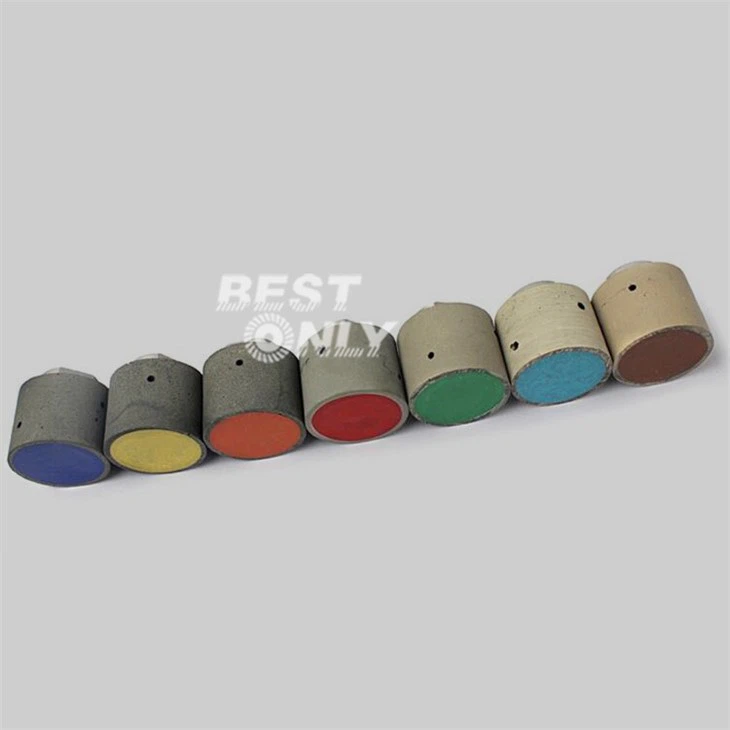
Fine grits, with mesh sizes of 320 and above, are employed for the final polishing. They create a mirror - like finish on the metal surface, removing the last traces of scratches and imparting a high - gloss appearance. Fine - grit polishing is often used in applications where aesthetics are of utmost importance, such as in jewelry making or high - end automotive parts.
Grit Type
There are several types of grits used in metal polishing pads, each with its own unique properties.
- Silicon Carbide: Silicon carbide grits are extremely hard and sharp. They are known for their high cutting efficiency, making them suitable for polishing hard metals like stainless steel and titanium. Silicon carbide pads can quickly remove material, but they may also leave a relatively rough surface finish. Therefore, they are often used in the early stages of the polishing process.
- Aluminum Oxide: Aluminum oxide grits are more commonly used due to their versatility. They are less aggressive than silicon carbide, resulting in a smoother surface finish. Aluminum oxide pads are suitable for a wide range of metals, including mild steel, brass, and copper. They are often used for both intermediate and final polishing.
- Diamond Grit: Diamond is the hardest known material, and diamond - grit polishing pads offer exceptional cutting performance. They are used for polishing extremely hard metals and materials, such as tungsten carbide and ceramic - coated metals. Diamond - grit pads can achieve very fine finishes and are highly durable, making them a popular choice in industrial applications.
Grit Distribution
The distribution of grit on the polishing pad is also important. A uniform grit distribution ensures consistent material removal across the entire surface of the metal. If the grit is unevenly distributed, some areas of the metal may be polished more aggressively than others, resulting in an inconsistent surface finish.
The Role of Grit in the Polishing Process
Material Removal
The primary role of grit in metal polishing pads is material removal. When the pad is pressed against the metal surface and rotated, the grit particles come into contact with the metal and abrade it. The size and type of grit determine the rate of material removal. Coarser grits remove material more quickly, while finer grits remove less material but produce a smoother finish.
For example, in a metal fabrication shop, when a large amount of material needs to be removed from a metal plate to reduce its thickness or to shape it, a coarse - grit polishing pad is used. The high - cutting efficiency of the coarse grit allows for rapid material removal, saving time and labor.
Surface Finishing
Grit plays a crucial role in achieving the desired surface finish. As mentioned earlier, different grit sizes are used in a sequential manner to gradually refine the surface. Starting with a coarse grit to remove the bulk of the material, followed by medium and fine grits, the metal surface can be transformed from a rough, uneven state to a smooth, mirror - like finish.
In the jewelry industry, for instance, diamond - grit polishing pads are used to achieve a high - gloss finish on precious metals. The fine diamond grits can create a flawless surface that enhances the beauty and value of the jewelry.
Heat Generation
During the polishing process, friction between the grit and the metal surface generates heat. The type and size of grit can affect the amount of heat generated. Coarser grits generally generate more heat due to their higher cutting efficiency and greater pressure on the metal surface. Excessive heat can cause damage to the metal, such as warping or discoloration.
To mitigate heat generation, some polishing pads are designed with cooling features or use lubricants during the polishing process. Additionally, using the appropriate grit size and polishing pressure can help to control the heat generated.
Applications of Metal Polishing Pads with Different Grits
Industrial Applications
In industrial settings, metal polishing pads with different grits are used for a variety of purposes. For example, in the automotive industry, coarse - grit pads are used to remove paint and rust from car bodies, while fine - grit pads are used for final polishing to give the cars a shiny appearance.
In the aerospace industry, diamond - grit polishing pads are used to polish turbine blades made of high - strength alloys. The precise polishing with diamond grits ensures the smoothness and aerodynamic performance of the blades.
Jewelry Making
Jewelry makers rely on metal polishing pads with fine grits to create beautiful and intricate pieces. Diamond - grit and aluminum oxide pads are commonly used to polish gold, silver, and platinum jewelry. The fine grits can bring out the natural luster of the precious metals and make the jewelry more appealing to customers.
Our Metal Polishing Pad Offerings
As a supplier of Metal Polishing Pads, we offer a wide range of products with different grit sizes, types, and distributions to meet the diverse needs of our customers. Our Frankfurt Abrasive Brush is a popular choice for heavy - duty material removal. It features a high - quality silicon carbide grit that can quickly and efficiently remove rust, paint, and other surface contaminants from metals.
Our Snail Lock Diamond Edge Polishing Pads are designed for precision polishing. The diamond grit provides excellent cutting performance and can achieve a very fine finish on hard metals. These pads are ideal for applications where a high - quality surface finish is required, such as in the production of precision components.
For more general - purpose polishing, our 2 Inch Continous Resin Drum Wheel with aluminum oxide grit is a great option. It offers a good balance between cutting efficiency and surface finish, making it suitable for a wide range of metals and polishing tasks.
Contact Us for Your Polishing Needs
If you are in the market for high - quality metal polishing pads, we are here to help. Our team of experts can provide you with detailed information about our products, recommend the most suitable polishing pads for your specific application, and offer technical support. Whether you are a small - scale jewelry maker or a large - scale industrial manufacturer, we have the right solution for you. Contact us today to start a discussion about your metal - polishing requirements.
References
- "Handbook of Metal Polishing and Finishing" by John Smith
- "Advanced Abrasive Technology" by Mary Johnson
- Industry research reports on metal polishing processes and materials.