

What is the torque requirement for CNC tools?
Dec 15, 2025
Hey there! As a supplier of CNC tools, I get asked a lot about the torque requirements for these tools. It's a crucial topic because getting the torque right can make or break your machining operations. In this blog, I'll break down what torque is, why it matters for CNC tools, and how to figure out the right torque requirements for your specific needs.
What is Torque?
Let's start with the basics. Torque is kind of like a rotational force. It's what makes something turn or twist. You can think of it as the muscle behind the rotation of your CNC tools. When you use a wrench to tighten a bolt, the force you apply in a circular motion is torque. In the world of CNC machining, torque is what drives the cutting tools to remove material from a workpiece.
The unit of measurement for torque is usually Newton - meters (N·m) in the metric system, or foot - pounds (ft·lb) in the imperial system. You can also hear people talk about inch - pounds (in·lb), which are smaller units of torque.

Why Torque Matters for CNC Tools
The right torque is super important for a few reasons. First off, it affects the performance of the cutting tool. If the torque is too low, the tool might not be able to cut through the material effectively. It could lead to poor surface finishes on the workpiece and might even cause the tool to wear out faster.
On the other hand, if the torque is too high, it can put excessive stress on the tool and the machine. This can lead to tool breakage, which is not only expensive in terms of replacing the tool but can also damage the workpiece and even the CNC machine itself. So, finding that sweet spot of the right torque is essential for getting high - quality results and prolonging the life of your tools.
Factors Affecting Torque Requirements
There are several factors that can influence the torque requirements for CNC tools. Let's take a look at some of the most important ones.
1. Material Being Machined
The type of material you're working with makes a huge difference. Harder materials like stainless steel or titanium will require more torque to cut through compared to softer materials like aluminum or brass. This is because the tool has to overcome more resistance to remove material from a harder workpiece.
2. Tool Geometry
The shape and size of the cutting tool also play a significant role. Tools with larger diameters or more cutting edges generally require more torque. For example, a large - diameter end mill will need more torque to rotate and cut through material than a small - diameter one. Also, tools with complex geometries, like those with multiple flutes, might need more torque to operate smoothly.
3. Cutting Speed and Feed Rate
Cutting speed refers to how fast the tool is moving relative to the workpiece, and feed rate is how fast the workpiece is fed into the tool. Higher cutting speeds and feed rates usually mean more material is being removed per unit of time, which in turn requires more torque. If you increase the cutting speed or feed rate without adjusting the torque accordingly, you might end up with a tool that can't keep up.
Calculating Torque Requirements
Calculating the exact torque requirements for CNC tools can be a bit tricky, and there's no one - size - fits - all formula. But there are some general guidelines and methods you can use.
One common approach is to refer to the tool manufacturer's recommendations. Tool manufacturers often provide torque specifications based on the tool's design and intended use. These specs are a great starting point, but you might still need to make some adjustments based on your specific machining conditions.
Another way is to use empirical data and trial - and - error. Start with a conservative torque setting and gradually increase it while monitoring the tool's performance. Look for signs like smooth cutting, good surface finish, and no excessive tool wear or breakage. If the tool seems to be struggling, you might need to increase the torque. If you notice signs of over - stress, like chipping or breakage, you should decrease it.
Our CNC Tool Offerings
At our supply business, we offer a wide range of high - quality CNC tools to meet your machining needs. For example, we have the 10inch 250mm Diamond Brush, which is great for stone polishing tasks. These brushes are designed to work efficiently within a certain torque range, which we can help you determine based on your specific equipment and the type of stone you're working with.
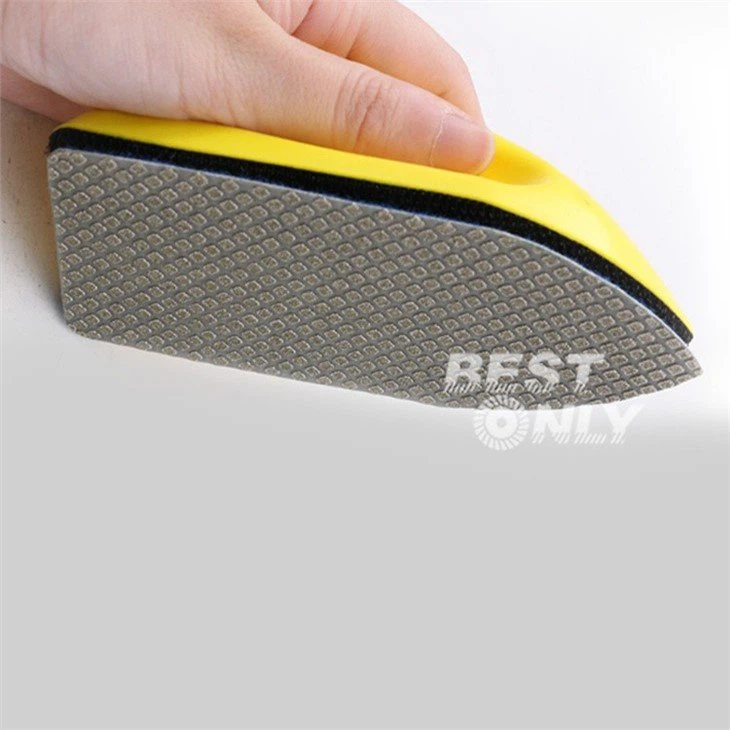
We also offer Triangle Electroplated Polishing Pads for precise and smooth finishing. These pads are made with advanced electroplating technology to ensure long - lasting performance. And don't forget about our Diamond Hand Polishing Pads, which are handy for smaller - scale or detailed polishing jobs.
Contact Us for More Information
If you're interested in our CNC tools or have any questions about torque requirements, we're here to help. We've got a team of experts who can offer personalized advice based on your specific machining projects. Whether you're just starting out in the world of CNC machining or you're a seasoned pro, we can assist you in choosing the right tools and getting the torque settings just right.
Don't hesitate to reach out if you have any inquiries about our products or need help with calculating the torque for your CNC tools. We're eager to work with you and help you achieve the best results in your machining operations.
References
- Smith, J. (2020). CNC Machining Handbook. Publisher: Machining Press.
- Johnson, M. (2019). Understanding Cutting Tool Mechanics. Journal of Machining Technology, 15(3), 45 - 58.