Hard Alloy Grinding Wheel
Dec 30, 2021
What is Hard Alloy Grinding Wheel
Tungsten carbide is a chemical compound, a very fine gray powder, It can be combined with binder to make cemented carbide (the most common is cemented carbide blade), which is about twice stronger than steel. It can be used in industrial machinery, cutting tools, grinders, armor piercing bullets, other tools and instruments; the products have a series of excellent properties such as high hardness, wear resistance, good strength and toughness, heat resistance and corrosion resistance, especially its high hardness and wear resistance, which remain basically unchanged even at the temperature of 500 ℃ , it still has high hardness at 1000 ℃.
Because its high hardness exceeds the dynamic range that ordinary Abrasives can grind, all workpieces made of cemented carbide should be ground with diamond abrasives. The surface polishing of cemented carbide needs to be polished with diamond grinding paste, and the grinding of cemented carbide also needs to be polished with diamond grinding wheel.
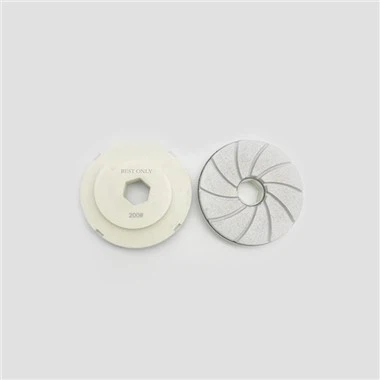
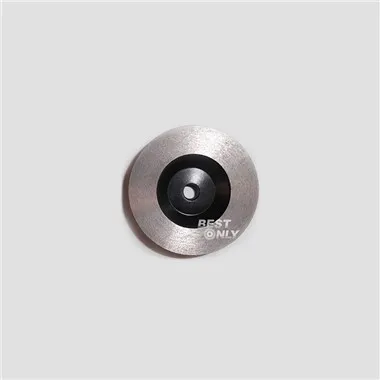
Cemented carbide grinding wheel is generally made of diamond abrasive and resin bond after baking and pressing. It consists of abrasive layer (working layer) and body (generally aluminum body, occasionally steel body)
How to Choose the Right Hard Alloy Grinding Wheel?
Choosing the right hard alloy grinding wheel depends on several factors, including:
Material Type:
Consider the type of hard alloy you are grinding. Different materials require different abrasives. For example, diamond wheels are often used for grinding tungsten carbide, while CBN wheels are better suited for grinding high-speed steel and other ferrous alloys.
Wheel Bond Type:
The bond of the grinding wheel affects its performance. Metal-bonded wheels are typically used for heavy-duty grinding, while resin-bonded wheels are ideal for finer finishing tasks. Choosing the right bond ensures optimal performance and longevity.
Grit Size and Structure:
The grit size of the wheel determines the coarseness or fineness of the cut. Finer grit sizes (higher numbers) are used for finishing work, while coarser grits are better for rough grinding and material removal. The structure of the wheel (open or dense) also affects the cutting action and cooling capacity.
Operating Conditions:
Factors like speed, pressure, and coolant application should also be taken into account when selecting a hard alloy grinding wheel. Higher speeds and pressures may require more robust wheels that can handle the additional stress.
The demand for hard alloy grinding wheels is growing, driven by their ability to improve precision, efficiency, and productivity in industries requiring high-performance materials. By choosing the right grinding wheel for the specific application, manufacturers can improve their processes, reduce operational costs, and ensure high-quality results. Whether in aerospace, automotive, or medical device manufacturing, hard alloy grinding wheels are essential tools for the precision machining of tough materials.