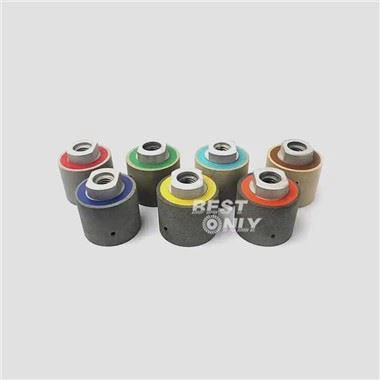
Storage And Storage Of Grinding Wheel
Nov 20, 2021
The storage area should be dry and well-ventilated, with minimal temperature fluctuations. The ambient temperature should never be lower than 5°C. Specific storage guidelines for different types of grinding wheels are as follows:
- Ceramic bonded grinding wheels should never be stored in wet or freezing environments.
- Resin-bonded grinding wheels must not come into contact with acid or alkali.
- Rubber-bonded grinding wheels, like resin-bonded wheels, should also avoid contact with oil or any greasy substances.
The storage environment must be carefully monitored to ensure it meets these conditions to avoid any deterioration of the bonding materials and maintain grinding efficiency.
Grinding wheels should not be stacked arbitrarily. They must be stored on the appropriate support and in designated cabinets according to their specifications. To prevent damage, it is important to avoid vibrations during storage. Additionally, the specifications, material type, and size of each grinding wheel should be clearly marked, and they should be stored orderly to avoid confusion.
For example:
- Ceramic bonded grinding wheels should be separated based on shape, material, size, and particle size.
- Resin-bonded wheels must also be stored carefully to prevent them from being damaged by excessive pressure.
When stacking resin-bonded grinding wheels and rubber-bonded grinding wheels, the height should not exceed 200mm. To prevent fracture and deformation, flat iron plates should be placed at both the top and bottom of the stack. These plates provide additional protection and ensure the grinding wheels maintain their shape and structural integrity.
For grinding wheels with thin edges and sharp cutting surfaces, such as diamond grinding wheels, they should be stacked separately from other types of grinding wheels. To protect the edges, use a pad (such as thick cardboard or foam) between each wheel. This cushioning will prevent any damage to the delicate edges while ensuring proper support during storage.
Grinding wheels with a rhombolite (magnesium oxide) bond are particularly sensitive to moisture. They can easily absorb moisture from the air, leading to deterioration and loss of effectiveness. Therefore, extra care must be taken when storing these types of grinding wheels to prevent moisture absorption and etching damage.
6. Storage Time for Rubber and Resin-Bonded Grinding Wheels
Both rubber-bonded and resin-bonded grinding wheels should not be stored for extended periods, as aging can occur due to chemical changes in their composition. Typically, the storage life of rubber-bonded and resin-bonded wheels should not exceed one year. If stored longer than this time, they must undergo a re-inspection to ensure they are still safe for use.
Why Proper Storage is Crucial for Grinding Wheels
- Extended Longevity: Proper storage ensures your grinding wheels remain in optimal condition for longer, preventing the need for frequent replacements.
- Improved Performance: Keeping your grinding wheels in the right environment ensures they maintain their cutting efficiency and precision, leading to better results.
- Safety: Proper handling and storage minimize the risk of damage, which could pose safety risks during use.