


Will Copper Bonded Diamond Pads Be Eliminated?
Dec 02, 2025
Copper Bonded Diamond Pads
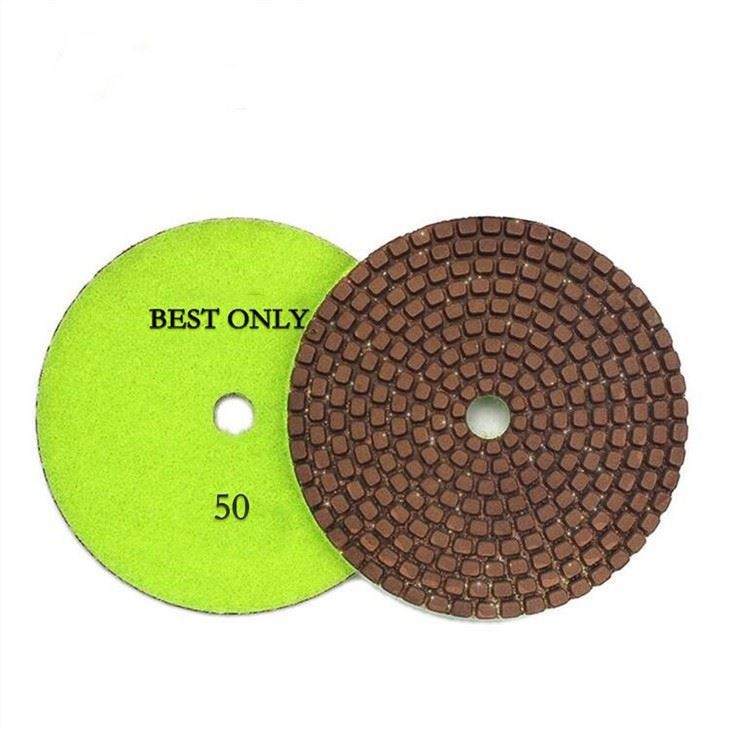
The technology and material behind copper bonding
Copper bonding refers to the process of adhering diamond particles to a substrate, typically using copper as the bonding material. This process is achieved through either electroplating or sintering techniques, where copper forms a strong bond with the diamonds, ensuring they remain securely attached to the surface of the polishing pad.
Benefits of Copper Bonding
Wear Resistance: Copper's durability ensures the diamond particles stay intact longer, increasing the pad's lifespan.
Strong Bonding: The copper bond securely holds diamonds, preventing them from dislodging during use.
Heat Resistance: Copper's heat conductivity prevents overheating, making the pads ideal for high-temperature polishing.
Consistency and Precision: Ensures uniform polishing for smoother and more predictable results.
Cost-Effective: Long-lasting pads reduce the need for frequent replacements, lowering overall costs.
Efficiency: Copper bonding boosts polishing speed and effectiveness, saving time in the process.
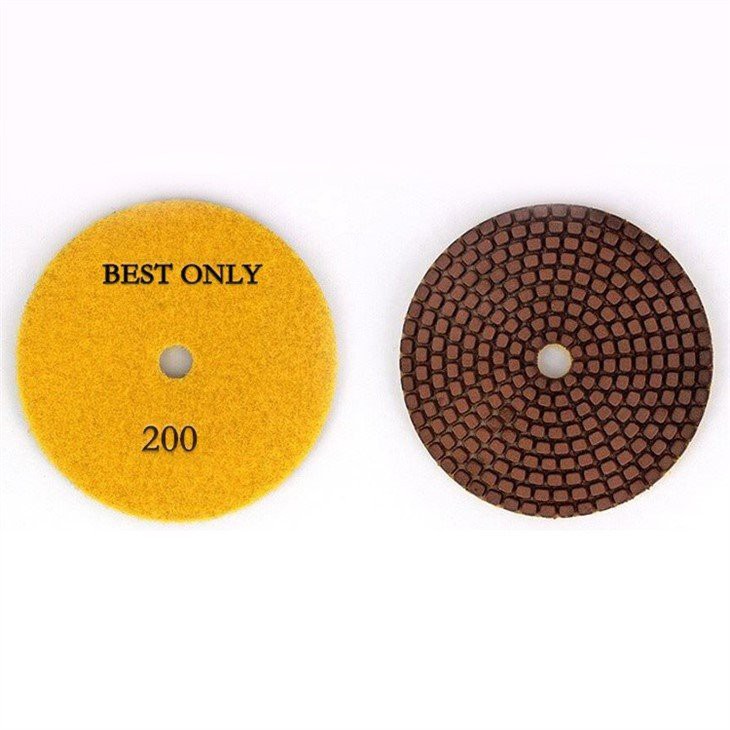
Copper Bonded Pads Market Trends

Currently, it seems unlikely that Copper Bonded Polishing Pads will be eliminated. In fact, they are increasingly being used across various industries due to their significant advantages, especially in terms of efficiency, durability, and performance in high-temperature environments
reasons why copper bonded polishing pads are unlikely to be phased out
Copper bonded polishing pads typically offer superior wear resistance and a longer lifespan compared to traditional resin or metal-bonded pads. Their high durability allows them to withstand prolonged use and harsh working conditions, making them less likely to be replaced.
Copper's excellent thermal conductivity ensures stable performance in high-temperature environments, making copper bonded pads ideal for polishig tasks that require heat resistance, such as stone or metal processing. This capability makes them essential in many industries, particularly in industrial production.
Copper bonded polishing pads improve processing efficiency and reduce polishing time. Additionally, their longer lifespan helps lower long-term
operating costs, especially in precision processing and large-scale production, where these benefits are significant.
With technological advancements, the design and performance of copper bonded polishing pads continue to evolve. For example, improved copper
alloy formulations can make the pads even more durable and environmentally friendly. As a result, copper bonded polishing pads can remain competitive, even as new technologies and materials emerge in the market.
Copper bonded polishing pads are not limited to the stone industry; they are also widely used in metalworking, automotive, glass, and other industris. Their versatility and high efficiency make them difficult to replace.
Copper bonded polishing pads continue to see strong demand due to their efficient surface processing capabilities. The need for high-performance polishing tools in fields like precision machining and polishing of high-hardness materials is growing. This means copper bonded polishing pads will continue to be widely used.


