How Long Do Diamond Polishing Pads Last
Dec 02, 2025
High temp, ultra-precision-Isn't the electroplated diamond polishing Pads what you need?

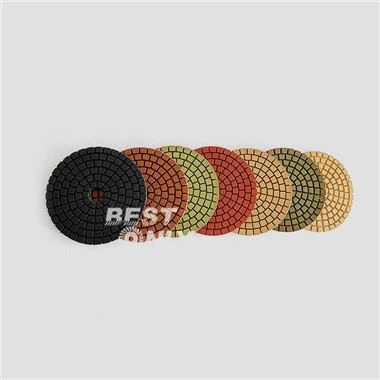
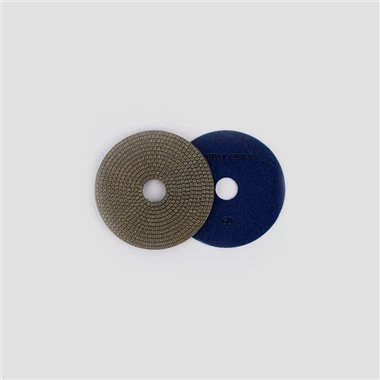
Electroplated diamond polishing discs are tools where diamond particles are attached to a substrate through electroplating. Their extreme hardness makes them ideal for precision polishing and cutting of high-hardness materials. The main components are diamond particles, the substrate (typically steel, copper, or aluminum), and the electroplated layer, which ensures even particle distribution and long wear life. These discs rotate at high speeds to efficiently grind and polish surfaces, offering excellent durability, precision, and versatility for materials like stone, metal, ceramics, and glass.
The round and triangular electroplated polishing discs, despite their different shapes, share similar features such as high-quality diamond particles, wide application in hard materials like stone, metal, ceramics, and glass, and long durability. Both enhance surface smoothness, work well in high temperatures, and are suitable for dry or wet cutting. They also improve production efficiency, reduce processing time, and fit various machinery, offering efficient material removal and fine polishing for high-quality results.

Can electroplated diamond polishing discs be used indefinitely?
Impact: The hardness of the material being processed directly affects the wear rate of the polishing disc. The harder the material for granite, marble, or hard metals, the faster the polishing disc wears out.
Example: When processing harder stones, the diamond particles on electroplated diamond polishing discs wear faster, leading to a shorter lifespan. In contrast, when used on softer materials, the polishing disc's lifespan is relatively longer.
Temperature and Humidity: Electroplated diamond polishing discs perform more stably in high-temperature environments. However, if the work environment is too humid or contains corrosive substances, it may affect their lifespan. In high-temperature conditions, the diamond particles are less likely to fall off, extending their service life.
Dust and Contamination: If the working environment contains a lot of dust or contaminants, they may obstruct the surface of the polishing disc, leading to accelerated wear and a shorter lifespan.
Frequency: Long-term, high-frequency use accelerates wear, reducing the service life of electroplated diamond polishing discs. Short bursts of high-frequency work may cause uneven wear.
Operation Method: Correct operation methods can maximize the lifespan of the polishing disc. For example, avoiding excessive load or pressure and ensuring proper lubrication (such as using appropriate coolant) will help prolong the disc's life.
Impact: The quality and process of the electroplating of diamond particles directly impact the lifespan of the polishing disc. High-quality electroplating ensures the diamond particles are more firmly bonded to the surface, improving durability. Low-quality electroplating may cause the diamond particles to fall off prematurely, reducing lifespan.
Particle Size: Larger diamond particles may wear faster but provide stronger cutting power. Smaller particles offer finer polishing but may last longer.
Under normal working conditions, the lifespan of an electroplated diamond polishing disc typically ranges from several hundred to several thousand hours. For low-load or occasional use, the disc may last for several years. However, in high-load and high-frequency industrial settings, the lifespan may be shortened to a few months or even less.
Cleaning: Regular cleaning of the polishing disc to remove residual debris and impurities helps ensure the even wear of diamond particles, contributing to a longer lifespan.
Storage: Store polishing discs in a dry, non-corrosive environment to avoid moisture or corrosive substances damaging the diamond particles.
Electroplated Diamond Polishing Pads have a higher initial investment, they offer prolonged high-efficiency processing, especially for high-hardness materials. In the long term, the cost-effectiveness of the disc is significant, particularly in precision processing or high-frequency usage situations.