Aluminium Flanges
As the name suggests, an aluminum flange is constructed of aluminum metal. This type of flange is often preferred in certain types of systems, because it is more lightweight than other types of flanges, including steel flanges of the same size. There are also numerous other benefits associated with using aluminum flanges compared to flanges constructed of other types of metal. Beyond the lightweight property of this type of flange, it is also less expensive due to lower material and production costs. Aluminum flanges are a practical choice in specific industrial applications.
Description
Xiamen Best Only Diamond Tools is specialized in different types of stone processing tools. Our main products including Resin Diamond Polishing Pads, 3 Steps Diamond Polishing Pads, Dry Diamond Polishing Pads, Wet Diamond Polishing Pads, Metal Diamond Polishing Pads,Diamond Cup Wheels, Diamond Milling Wheels, Electroplated Diamond Polishing Pads, Diamond Polishing Belts, Diamond Polishing Sheets, Diamond Hand Polishing Pads, Diamond Core Bits, Diamond Brushes,Backing Pads, CNC Router Bits, Engraving Tools ,etc.
Why Choose Us
Our History
Xiamen Best Only Diamond Tools which is located in beautiful seaside City Xiamen was established in 2013. We are one of the best diamond tools suppliers in China. As our company name " BEST ONLY",
Product Application
Xiamen Best Only Diamond Tools products are widely used in the grinding andpolishing field of natural stone, sintered stone, engineer stone, ceramic, and concrete, etc.
Our Product
Our main products including Resin Diamond Polishing Pads, 3 Steps Diamond Polishing Pads, Dry Diamond Polishing Pads, Wet Diamond Polishing Pads, Metal Diamond Polishing Pads,Diamond Cup Wheels, Diamond Milling Wheels, Electroplated Diamond Polishing Pads, Diamond Polishing Belts, Diamond Polishing Sheets, Diamond Hand Polishing Pads, Diamond Core Bits, Diamond Brushes,Backing Pads, CNC Router Bits, Engraving Tools ,etc.
Production Market
With over 10 years diamond tools production and exporting experience, We are dedicated to providing you diamond tools with both competitive prices and high quality effectively. Our products are welcome in the market of Europe, North and South American, South-East Asia, Middle Asia, etc. Good reputation has won praise and trust from home and abroad.

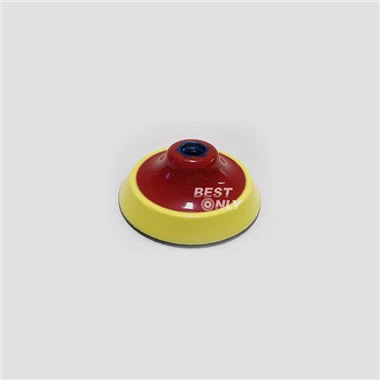
Name: snail lock backing pad / snail lock polishing pads holder
Model: BL-SLBPR
Size: 4''100mm / 5'' 125mm
Material: Plastic & Velcro
Connection : Hook & Loop
Application: work with automatic edge polishing machine.
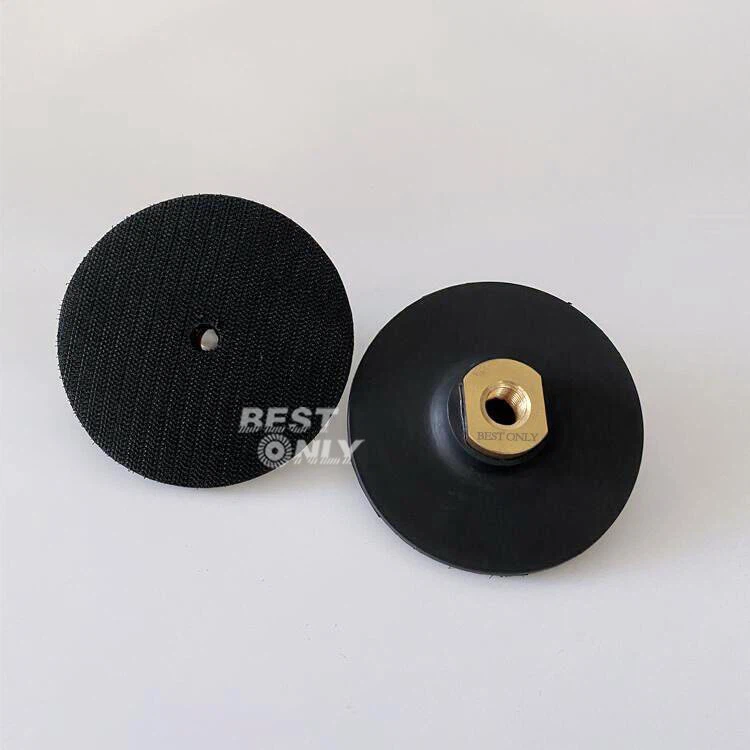
Model: BL-BPSF
Brand: Best Only
Origin: China
Port: Xiamen
Material: Rubber & Velcro
MOQ:50pcs
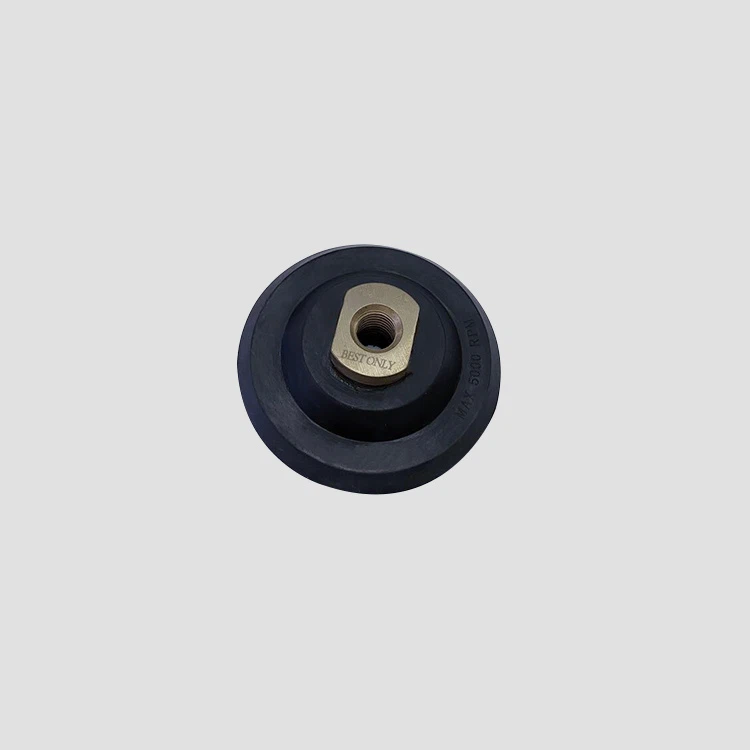
Model: BL-BPRB
Brand: Best Only
Origin: China
Port: Xiamen
Material: Rubber & Velcro
MOQ:50pcs
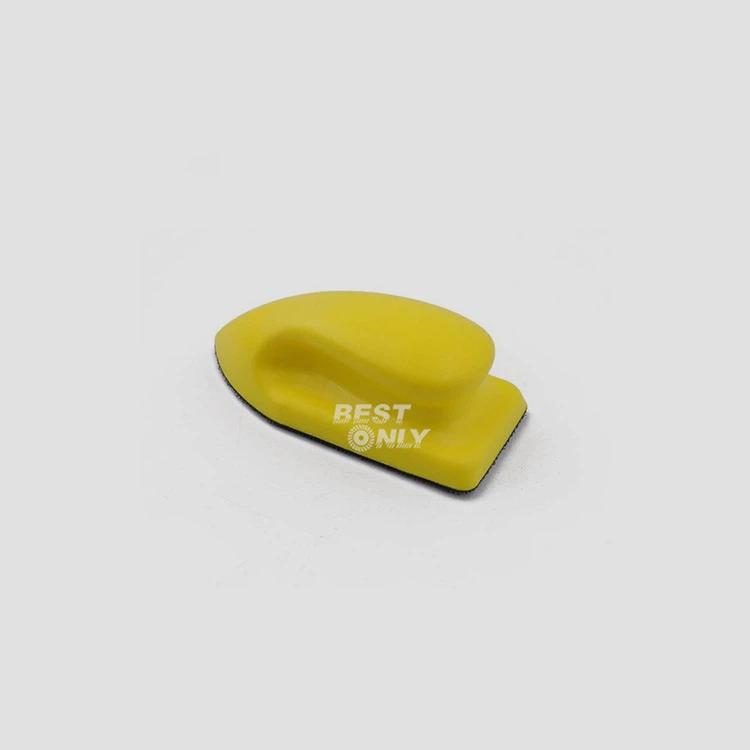
Model: BL-FPHS
Brand: Best Only
Origin: China
Port: Xiamen
Material: Foam & Velcro
MOQ:50pcs

Model: BL-FBP
Material: Foam & Plastic
Brand: Best Only
Origin: China
Port: Xiamen
MOQ: 50pcs

Model:BL-ALBP
Brand: Best Only
Material: Aluminium
Size: 3''/4''/5''/6''/7''
Origin: China
Port: Xiamen
MOQ:10pcs
As the name suggests, an aluminum flange is constructed of aluminum metal. This type of flange is often preferred in certain types of systems, because it is more lightweight than other types of flanges, including steel flanges of the same size. There are also numerous other benefits associated with using aluminum flanges compared to flanges constructed of other types of metal. Beyond the lightweight property of this type of flange, it is also less expensive due to lower material and production costs. Aluminum flanges are a practical choice in specific industrial applications. They are crafted from lightweight aluminum metal and offer unique advantages. We'll explore these benefits and scenarios where aluminum flanges make sense.
Benefits of Aluminium Flanges
Lightweight Design
Aluminum flanges are notably lighter compared to their steel counterparts. This quality helps reduce the overall weight of a system, which can be important in certain applications.
Cost-Effective
These flanges are budget-friendly due to lower material and production costs. They can be a wise choice for projects where expenses are a significant concern.
Efficiency
Aluminum flanges are quick to produce, making projects more time-efficient. This efficiency can minimize downtime and improve overall timelines.
Custom Sizing
They can be manufactured in various sizes, tailored to specific needs. This flexibility allows aluminum flanges to adapt to a wide range of industrial systems.
Application of Aluminium Flanges
Marine Applications
One of the most common uses for aluminium flanges is in marine applications. The corrosion-resistant properties of aluminium make it an ideal material for use in saltwater environments, which are notorious for causing the metal to rust and corrode. Aluminium flanges are commonly used on boats, oil rigs, and other marine equipment. They are also used in shipping containers, where weight is critical.
Heating, Ventilation, and Air Conditioning (HVAC) Systems
Aluminium flanges are also widely used in HVAC systems. HVAC systems require a material that can withstand high temperatures and remain resistant to corrosion over time. Aluminium flanges are an excellent choice for this task as they can withstand temperatures up to 600°F. Furthermore, aluminium flanges can be anodized to improve corrosion resistance, making them perfect for HVAC systems in harsh environments.
Automotive Applications
Aluminium flanges are also used in automotive applications. The lightweight nature of the material makes it perfect for use in vehicle construction, where reducing weight can lead to better gas mileage and overall performance. Aluminium flanges are also used in exhaust systems, where they can tolerate the high temperatures generated by the engine and provide efficient sealing.
Structural Applications
Aluminium flanges are also used in structural applications. The material is commonly used to construct bridges, buildings, and other large structures. The lightweight nature of aluminium flanges makes them ideal for use in areas where heavy materials would be difficult or impossible to transport. Furthermore, aluminium is highly durable, making it perfect for use in structures exposed to harsh elements.
How to Choose Aluminium Flanges
Determine your requirements
The first step in choosing the right aluminium flanges is determining your project requirements. Consider the requirements of your application, such as the type of fluid or gas being transported, pressure and temperature requirements, and the final location of the flange. It is essential to thoroughly understand your needs before selecting the right flange.
Choose the right flange shape and size
Once you have determined your requirements, select the right aluminium flanges shape and size. There are several shapes of flanges, including slip-on, threaded, weld neck, blind, and lap joint. Choose the shape that works best for your application. After selecting the shape, determine the appropriate size for the flange.
Consider the material of the flange
Different grades of aluminium flanges are available, each with unique properties. Ensuring the flange grade you choose has the right properties to function well in your application is essential. For example, some grades of aluminum are better for use in high-temperature applications, while others are more appropriate for use in marine environments. Also, make sure the flange material you choose is compatible with the material of the piping system you are installing.
Check technical requirements
Before finalizing your selection, ensure that the aluminium flanges meets the technical requirements of your application. Check that the flange complies with industry standards and meets all safety and environmental regulations. Confirm that the flange can handle the pressure and temperature of your application.
Consider the cost
Finally, it is essential to consider the cost of the aluminium flanges. Remember, the price of a flange is not just limited to its purchase cost. The cost of installation, component transportation, and maintenance should also be factored in. Therefore, choose a flange that fits your budget and provides the necessary results.
Common Aluminium Flanges Manufacturing Methods
Cast aluminium flange production method
The cast manufacturing method begins with molten metal that's poured into a mold to form the desired shape-in this case, a aluminium flange. After the liquid metal has hardened, the mold is opened and the casting is removed, then machined to the necessary dimensions and surface finish. Aluminium flanges produced by casting cost less to produce, and there is less waste involved in the manufacturing process. However, there may be more defects than forged aluminium flanges due to the less compact internal structure. As a result, cast flanges may be more prone to failure in high pressure or temperature applications.
Cut aluminium flange production method
The cut aluminium flange (or plate flange) manufacturing process begins by flattening steel metal stock using rollers to thin the material until it reaches the intended plate thickness. Then, the aluminium flange is cut to the appropriate outer diameter (od) and inner diameter (id) (except blind aluminium flanges which have no center bore and do not require an id) using a torch, laser, or water jet.bolt holes and necessary serrations are cut, and the flange is further machined to exact specifications. Aluminium flanges produced using the cut manufacturing method offer a lower production cost, but more scrap materials waste. Cut aluminium flanges are typically not as strong as flanges produced using other manufacturing techniques.
Forged aluminium flange production method
Forged aluminium flanges are manufactured by heating steel billets, slabs, or other metal stock, then compressing the material using a power hammer, press, or die to shape the aluminium flange from a solid state. This process develops a continuous grain flow for improved strength. After the aluminium flange is forged, it is machined and finished to the appropriate specifications. Forged aluminium flanges are often more resistant to wear, but the production cost is greater.
How to Maintain Aluminium Flanges
Regular cleaning
It is very necessary to clean the aluminium flange regularly. Use detergent and a soft cloth or brush to remove built-up dirt and sediment. Make sure not to damage the surface of the sealing surface when cleaning.
Prevent corrosion
Aluminium flanges are often exposed to various liquids and gases and are prone to corrosion. It is recommended to use antiseptic or lubricant after cleaning to protect the surface and prevent corrosion.
Regular inspection
Regularly check the wear degree of the aluminium flange. If serious wear or cracks or other damage are found, it needs to be replaced or repaired in time. This avoids leaks and other safety issues.
Prevent over-tightening or over-loosing
When installing the aluminium flange, be sure to ensure that the bolts are tightened to a moderate degree. Over-tightening will cause the flange to deform or be damaged, and being too loose will cause leakage. It is important to regularly check the tightness of bolts.
Avoid impacts and collisions
Avoid impacts and collisions on the aluminium flange to avoid damaging the surface or causing deformation. Be careful when handling and installing to avoid accidental damage.
Our Factory

FAQ
Q: What are Aluminum flanges, and how are they used in industrial applications?
Q: What advantages do Aluminum flanges offer compared to other materials?
Q: In which situations is it recommended to use Aluminum flanges?
Q: What types of Aluminum flanges are available, and how do they differ?
Q: Are there any limitations to using Aluminum flanges?
Q: How can one ensure the durability of Aluminum flanges in industrial settings?
Q: What is the sustainability aspect of Aluminum flanges?
Q: What factors should be considered when choosing between Aluminum and other flange materials?
Q: Can Aluminum flanges be used in plumbing applications?
Q: Are there any safety concerns associated with using Aluminum flanges?
Q: Are there any size limitations for Aluminum flanges?
Q: What are the common industries that benefit from using Aluminum flanges?
Q: Can Aluminum flanges be used in high-temperature applications?
Q: How can one identify the right Aluminum flange for a specific project?
Q: Can Aluminum flanges be modified or repaired if needed?
Q: What is the process of casting a flange?
Q: What are the basics of flanges?
Q: Are flanges forged or cast?
Q: What are the flange manufacturing methods?
Q: What is the process of forging flanges?
Hot Tags: aluminium flanges, China aluminium flanges suppliers, manufacturers, factory, embroidered accessories, glass accessories, jewelry accessories, minimalist accessories, sequined accessories, shoe accessories