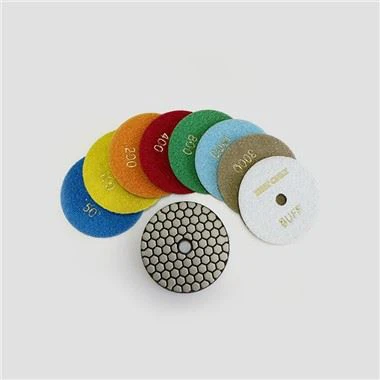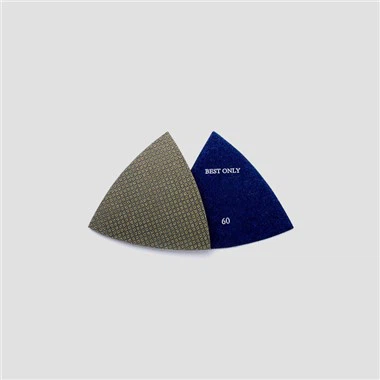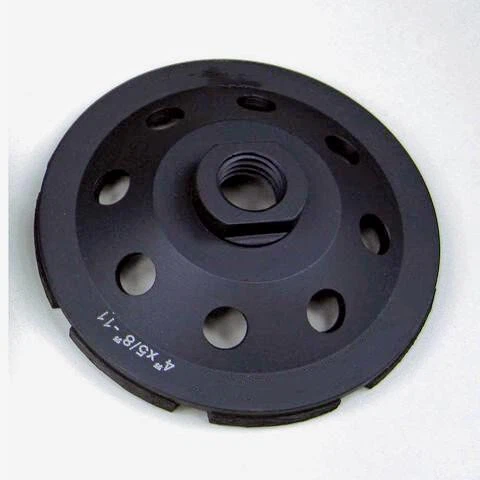
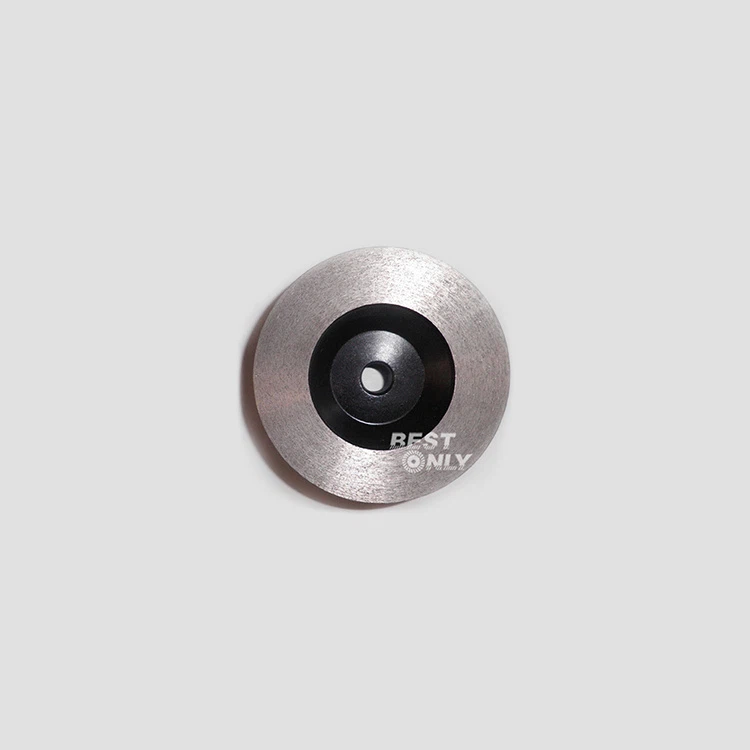
Single Row Segmented Cup Wheel
Single Row Segmented Cup Wheels have single rows of diamond segments for extremely fast material removal, grinding and floor preparation. They also feature air flow holes for more efficient dust collection. Use Single Row Cup Wheels for everything from simple clean-up to shaping and grinding concrete, stone, marble, granite, brick, and block. Also ideal for paint and coating removal. Designed for angle grinders. Speeds Up Work: Single Row Cup Wheels grind and remove material extremely fast.
Description
Xiamen Best Only Diamond Tools which is located in beautiful seaside City Xiamen was established in 2013. We are one of the best diamond tools suppliers in China. As our company name " BEST ONLY", our company slogan is: To do the best , or not to do !With over 10 years diamond tools production and exporting experience, We are dedicated to providing you diamond tools with both competitive prices and high quality effectively. Our products are welcome in the market of Europe, North and South American, South-East Asia, Middle Asia, etc. Good reputation has won praise and trust from home and abroad.


Why Choose Us
Our Factory
Xiamen Best Only Diamond Tools which is located in beautiful seaside City Xiamen was established in 2013. We are one of the best diamond tools suppliers in China. As our company name " BEST ONLY", our company slogan is: To do the best , or not to do !
Our Product
Xiamen Best Only Diamond Tools is specialized in different types of stone processing tools. Our main products including Resin Diamond Polishing Pads, 3 Steps Diamond Polishing Pads, Dry Diamond Polishing Pads, Wet Diamond Polishing Pads, Metal Diamond Polishing Pads,Diamond Cup Wheels, Diamond Milling Wheels, Electroplated Diamond Polishing Pads, Diamond Polishing Belts, Diamond Polishing Sheets, Diamond Hand Polishing Pads, Diamond Core Bits, Diamond Brushes,Backing Pads, CNC Router Bits, Engraving Tools ,etc.
Product Application
Xiamen Best Only Diamond Tools products are widely used in the grinding andpolishing field of natural stone, sintered stone, engineer stone, ceramic, and concrete, etc.
Production Market
With over 10 years diamond tools production and exporting experience, We are dedicated to providing you diamond tools with both competitive prices and high quality effectively. Our products are welcome in the market of Europe, North and South American, South-East Asia, Middle Asia, etc. Good reputation has won praise and trust from home and abroad.
Single Row Segmented Cup Wheels have single rows of diamond segments for extremely fast material removal, grinding and floor preparation. They also feature air flow holes for more efficient dust collection. Use Single Row Cup Wheels for everything from simple clean-up to shaping and grinding concrete, stone, marble, granite, brick, and block. Also ideal for paint and coating removal. Designed for angle grinders. Speeds Up Work: Single Row Cup Wheels grind and remove material extremely fast.
Advantages of Single Row Segmented Cup Wheel
Exceptional hardness
Single row segmented cup wheel are incredibly hard and wear-resistant, making them ideal for grinding other hard materials such as carbide. This feature also allows diamond wheels to withstand high material removal rates and provide better longevity when compared to conventional abrasive wheels.
Superior grinding performance
From rough grinding at high feed rates to cutting brittle materials with high accuracy, the composition of a single row segmented cup wheel can be manipulated to serve a multitude of applications.
Low heat generation
The bond structure of a single row segmented cup wheel does impact its heat-resistant abilities. Resin bonds, for example, generate the least heat overall during grinding and are typically used for softer materials like ceramics and composites. Known as a more "flexible" bond, resin bonds have a faster-paced grit renewal rate than metal or vitrified bonds. This allows for a consistent, sharp cutting surface.
Reduced wheel wear
The unmatched strength and hardness of synthetic help maintain a sharper cutting edge, resulting in grinding wheels that resist wear and require less dressing throughout a job. Single row segmented cup wheel can operate for long periods with little to no load-up or glazing. This quality results in more efficient grinding, which means more time cutting and less time dressing a wheel.
Tips to Choose Single Row Segmented Cup Wheel
Consider the Material Hardness
The first thing to focus on when choosing a grinding wheel cup is not the cup itself but the material you're going to grind. To successfully choose a single row segmented cup wheel, you need to examine the material you're working with and consider the size and hardness of your working material. There are specialty single row segmented cup wheels that manufacturers create for use with certain stones. For example, concrete single row segmented cup wheels are ideal for handling concrete and masonry projects. They have the right grit and hardness to tackle working with tough concrete blocks. On the other hand, some stone materials are softer. One such material is marble, as it has unique grit and bond requirements.
Understand single row segmented cup Wheel Bonds
When choosing single row segmented cup wheels, you should always pay attention to the bond used in the diamond segments. Using the wrong bond on the wrong type of material will cause your cup wheels to wear down faster than usual. The rule of thumb for choosing wheel bonds is to choose the opposite of your working material. For example, when grinding a hard stone, you should pair it with a cup wheel with a softer bond. On the other hand, when grinding a softer stone, you should choose a cup wheel with a softer segment bond.
Know the Ideal Grit
The grit of your cup wheel refers to the amount of space between the openings in the abrasive coating. When grinding down material with a large surface area, it's helpful to use a lower grit to help remove more material faster. Higher grits are ideal for polishing and detailing the surface of your working material. Once you've moved on to phase two of the grinding project, swap to a single row segmented cup wheel with a higher grit to polish and finish your working material.
Choose Wet or Dry Grinding
Another factor to consider is whether you plan to use the selected cup wheel for wet or dry applications. Some grinding wheels have special considerations for dry versus wet grinding applications. For example, wet grinding can help cool the surface area of large materials, so you would want to find a wheel with a large diameter. Blades with smaller diameters are more effective for dry grinding applications. This is because they don't generate as much heat from friction as larger-diameter wheels do. This is why wet applications are common for larger-diameter single row segmented cup wheels.
Understand Differences in Abrasives
There are three main types of single row segmented cup wheel abrasives, including aluminum oxide, zirconia alumina, and ceramic aluminum oxide. Each abrasive can have different effects on the wheel's factors, such as strength, hardness, impact resistance, and toughness. Aluminum oxide abrasives are some of the most popular single row segmented cup wheels for their use in steel alloys. Aluminum oxide and zirconia alumina have variants to form the best abrasive based on the application. Familiarizing yourself with these abrasives will help you better understand what to look for when choosing a cup wheel.
Wheel Size or Shape
The diameter of the single row segmented cup wheel you're working with can affect the amount of friction and heat that the grinding process generates. If you're working with a larger surface area, it can be helpful to utilize a larger wheel cup, but make sure that you choose a model that is compatible with the wet grinding process. Alternatively, you may choose a cup wheel with a unique shape, such as a cone, cylinder, or square shape, to reach certain areas or to polish the edges of your material.
Safety Requirements for Using Abrasive Cup Wheels




Match the Wheel to the Machine
Always check the manufacturer's recommendations for compatible machinery and follow these instructions. Not all portable tools are designed for cup wheels. Just because a cup wheel will fit on a tool does not mean it's the correct tool.
Ensure the cup is firmly attached to the proper mounting point on the rotary tool. Run the machine for a few seconds at low speed to check for alignment and balance problems. If the cup seems to wobble even a little, take it off and try again.
Cup Wheel Speed vs. Machine Speed
Every cup wheel has a maximum operating speed marked on it. Only mount the cup wheel on a machine with a speed no greater than the wheel's maximum operating speed. Never mount a cup wheel on a grinder that operates at a higher speed than the rated speed of the wheel.
You also need to make sure the grinding machine has a proper back flange and guard. A proper guard extends far enough to keep debris and sparks away from your fingers and hands (see photo above). A proper back flange is flat across the entire contact surface in order to provide support for the cup. Its diameter is also at least one-third that of the wheel. ANSI B7.1 calls for minimum back flange sizes as follows:
Cup Wheel Mounting Checklist
Check the wheel storage area to be sure the wheel has been properly stored in its original package, on a shelf, and away from moisture and temperature extremes.
Visually inspect all of the abrasive cup wheels you plan to use and their packaging for damage. Never use a damaged abrasive cup wheel.
Disconnect the machine from its power source before mounting or dismounting an abrasive cup wheel.
Inspect the machine and its wheel guard. Never use a damaged machine or guard.
Inspect and clean the machine's back flange and mounting threads.
When mounting or using an abrasive cup wheel, always follow the machine builder's and wheel manufacturer's safety instructions.
Thread the wheel on the machine and hand tighten. Don't excessively tighten the wheel - removal will be difficult and the wheel could be damaged during removal.
Wear all required personal protective equipment such as eye, face, hearing, and respiratory protection as well as gloves, aprons, arm guards and safety shoes.
Once a wheel has been mounted, test the machine and wheel by running it in an enclosed area such as in a steel drum for 60 seconds. During the test, keep yourself and your co-workers in a safe area. If there are any unusual vibrations or noises, do not use the wheel to grind.
Using Abrasive Cup Wheels
After you have mounted the cup wheel, follow these best practices to ensure a smooth and safe operating process:
Never grind on the outside of a cup wheel.
Never abuse the wheel; don't bump or drop it. If a wheel looks damaged, remove and discard it.
Always introduce the wheel to the work gently. Don't jam the wheel into the workpiece or "force grind" so that the grinder motor slows noticeably.
Always store wheels and machines with care between uses. Damage can occur from a drop or other impact just as easily as from improper grinding technique.
Always repeat the startup sequence when you get back to work, even if you were just grinding five minutes ago – something may have been misaligned while you were away from the workbench.
Always pay attention. Never drift away or allow yourself to get distracted while grinding, as the cup wheel can break if not used properly.
How to Use Single Row Segmented Cup Wheel
With the increasing use of single row segmented cup wheel, consumers are paying more and more attention to how to use single row segmented cup wheel correctly.
Single row segmented cup wheel is only suitable for processing high hardness materials, not suitable for grinding general steel or other soft materials.
After the single row segmented cup wheel is installed on the flange, it must be statically balanced before it can be used. Do not remove it from the flange before the grinding wheel is used up, which can prolong the service life of the grinding wheel.
Machine tools using single row segmented cup wheel have better rigidity, higher rotation accuracy of the main mechanism, and can be used for micro lateral feed.
The selection of grinding amount should be appropriate.
Coolant should be used as much as possible when grinding, which can not only improve the grinding efficiency and grinding quality, but also reduce the wear of the grinding wheel. The commonly used coolants include kerosene, light diesel and light gasoline, etc., generally kerosene is better.
When the new single row segmented cup wheel is used, it also needs to be trimmed in order to obtain the correct shape. The trimming can be performed with WA180L5V whetstone (clamped on a vice).
In the grinding process, if the grinding wheel is not sharp enough or the plug is broken, you can also carefully trim the working surface of the grinding wheel with a silicon carbide sand bar.
The single row segmented cup wheel is a kind of valuable abrasive tool, which should not be placed in random places, let alone exposed to moisture, corrosion and impact, and should not be exposed to high temperature.
Essential Steps to Single Row Segmented Cup Wheel from Angle Grinders
Preparation and Safety Measures
Safety should always be the top priority when working with power tools. Before attempting to remove the grinding wheel, ensure that the angle grinder is powered off and unplugged from the power source. Additionally, wear appropriate personal protective equipment (PPE) such as safety goggles, gloves, and a dust mask to protect yourself from potential hazards like flying debris and dust particles generated during the process.
Step-by-Step Guide to Removing a Cup Concrete Grinding Wheel
Now that we've covered the preparation and safety measures, let's delve into the step-by-step process of removing a cup concrete grinding wheel from an angle grinder. Following these instructions carefully will ensure a smooth and safe removal process.
Secure the Angle Grinder
Place the angle grinder on a stable surface and use clamps or a vice to secure it firmly. This will prevent the grinder from moving or slipping during the removal process, ensuring stability and safety.
Loosen the Lock Nut
Locate the lock nut or flange nut securing the grinding wheel to the spindle of the angle grinder. Depending on the model of your grinder, the nut may be located on the side or at the center of the grinder's head. Use the appropriate-sized wrench to loosen the nut by turning it counterclockwise. Be cautious not to apply excessive force, as this may damage the nut or the grinder.
Remove the Lock Nut and Outer Flange
Once the lock nut is sufficiently loosened, carefully remove it along with the outer flange from the spindle. Set them aside in a safe place where they won't roll away or get lost.
Detach the Grinding Wheel
With the lock nut and outer flange removed, gently slide the cup concrete grinding wheel off the spindle. Take care to support the weight of the wheel as you remove it to prevent it from falling and causing damage or injury.
Inspect the Grinder and Wheel
After removing the grinding wheel, take a moment to inspect both the angle grinder and the wheel for any signs of damage or wear. Check for cracks, chips, or excessive wear on the wheel, as using a damaged wheel can compromise safety and performance. Similarly, inspect the spindle and other components of the grinder for any issues that may need attention.
Clean and Maintain
Once the grinding wheel has been removed, it's a good opportunity to clean the angle grinder and the removed wheel. Use a brush or compressed air to remove any debris or dust buildup from the grinder's head and spindle. Additionally, inspect the spindle threads and clean them if necessary to ensure smooth operation when attaching a new wheel.
Store Properly
Finally, store the angle grinder and the cup concrete grinding wheel in a dry, secure location where they won't be exposed to moisture or other environmental factors that could cause damage. Proper storage helps prolong the lifespan of your equipment and ensures that it's ready for future use.
Care and Maintenance of Single Row Segmented Cup Wheel
Always use the proper wheel for the job. Single row segmented cup wheel come in different sizes, shapes, and grades, each designed for specific tasks. Using the wrong wheel can cause damage to both the wheel and the material being worked on.
Inspect the wheel regularly for damage or wear. If the grit is worn down, the wheel will become less effective and need replacement. If the wheel has cracks or chips, it should be replaced immediately.
Condition the wheel regularly with a dressing stone. Single row segmented cup wheel can become dull, when the exposed become smooth, reducing their effectiveness. Use a dressing stone to remove some worn and expose fresh, sharp ones.
Use water to prevent overheating. Single row segmented cup wheel generate much heat when they are used, which can cause them to wear out quickly. Using water will help to reduce the heat and prolong the life of the wheel.
Store the wheels properly. Single row segmented cup wheel should be stored in a dry, cool place to prevent them from becoming damaged or corroded when not in use.
FAQ
Q: What is a single row segmented cup wheel used for?
Q: What are single row segmented cup wheel for?
Q: How to use a single row segmented cup wheel?
Q: How long do single row segmented cup wheel last?
Q: When should I replace my single row segmented cup wheel?
Q: How to know when a single row segmented cup wheel is bad?
Q: What is the difference between a grinding wheel and a single row segmented cup wheel?
Q: Which criteria are crucial to assess prior to deciding to get an abrasive wheel?
Required finish and amount of stock removal. Grit size. Bond.
Wet or dry grinding.
Area of contact. Grit size. Grade.
Wheel speed.
Severity of the operation.
Q: What are the safety precautions for single row segmented cup wheel?
Q: Care and maintenance of single row segmented cup wheel?
Hot Tags: single row segmented cup wheel, China single row segmented cup wheel suppliers, manufacturers, factory