

Are there any DIY methods for using quartz polishing pads?
Jun 30, 2025
Quartz is a popular material used in countertops, floors, and various decorative elements due to its durability, aesthetic appeal, and resistance to stains and scratches. Over time, however, quartz surfaces can lose their shine and luster. That's where quartz polishing pads come in. As a leading supplier of high - quality quartz polishing pads, I'm often asked if there are any do - it - yourself (DIY) methods for using these pads. In this blog, I'll share some effective DIY techniques for using quartz polishing pads.
Understanding Quartz Polishing Pads
Before diving into the DIY methods, it's essential to understand what quartz polishing pads are. These pads are typically made with diamond particles of different grit sizes. The grit size determines the level of abrasiveness. Coarse grit pads are used for initial grinding and removing deep scratches, while fine grit pads are used for final polishing to achieve a high - gloss finish.
Preparing for the DIY Polishing Project
Safety First
Safety should always be your top priority when working with any kind of polishing equipment. Wear safety goggles to protect your eyes from flying debris, gloves to prevent skin irritation, and a dust mask to avoid inhaling dust particles.
Surface Preparation
Thoroughly clean the quartz surface before you start polishing. Remove any dirt, grime, or stains using a mild quartz cleaner. A clean surface ensures that the polishing pads can work effectively and prevents any contaminants from causing scratches during the polishing process.
Gather Your Tools
In addition to the quartz polishing pads, you'll need a few other tools. A variable - speed floor polisher or a hand - held polisher is ideal for this task. Make sure the polisher is in good working condition and has the appropriate attachment for the polishing pads. You'll also need water for wet polishing, a bucket, and a clean cloth for drying.
DIY Polishing Methods
Wet Polishing
Wet polishing is a common and effective method for using quartz polishing pads. Here's a step - by - step guide:
- Start with Coarse Grit Pads: Begin by attaching a coarse grit quartz polishing pad to your polisher. Fill a bucket with water and wet the quartz surface. Start the polisher at a low speed and slowly move it across the surface in a back - and - forth motion. Keep the surface wet at all times by periodically adding water. The water acts as a lubricant, reducing friction and preventing the pads from overheating.
- Progress to Medium Grit Pads: After using the coarse grit pads to remove any deep scratches or imperfections, switch to medium grit pads. Repeat the same process of wetting the surface and polishing at a low speed. The medium grit pads will further smooth the surface and prepare it for the final polishing.
- Finish with Fine Grit Pads: Once you've used the medium grit pads, it's time to attach the fine grit pads. These pads will give the quartz surface a high - gloss finish. Continue wet polishing at a low speed, moving the polisher in a consistent pattern. As you progress, you'll notice the surface becoming increasingly shiny.
- Dry the Surface: After you've completed the wet polishing process, use a clean cloth to dry the quartz surface thoroughly. This will remove any remaining water and leave the surface looking clean and polished.
Dry Polishing
Dry polishing can also be effective, especially for smaller areas or when you don't want to deal with water. Here's how to do it:
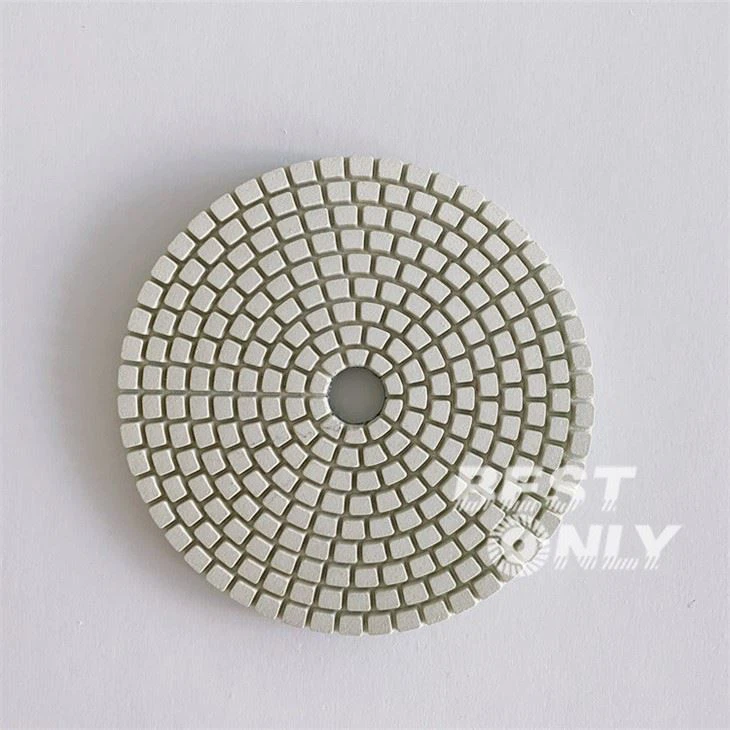
- Select the Right Pads: Start with a coarse grit dry - polishing pad. Attach it to your polisher and turn it on at a low speed.
- Polish the Surface: Move the polisher across the quartz surface in a smooth, even motion. Make sure to cover the entire area. As you polish, the dry - polishing pad will generate heat, which helps to break down the surface and remove scratches.
- Switch to Finer Grits: After using the coarse grit pad, switch to medium and then fine grit dry - polishing pads. Repeat the polishing process with each pad, gradually increasing the smoothness and shine of the surface.
- Clean the Surface: Once you've finished dry polishing, use a soft brush or a vacuum cleaner to remove any dust from the surface. Then, wipe the surface with a clean, dry cloth to reveal the polished finish.
Troubleshooting Common Issues
Uneven Polishing
If you notice that the quartz surface is not being polished evenly, it could be due to several reasons. Check if the polishing pads are worn out or if the polisher is not moving at a consistent speed. Make sure to overlap your passes with the polisher to ensure uniform coverage.
Scratches after Polishing
If you see new scratches on the quartz surface after polishing, it could be because there were still contaminants on the surface or the polishing pads were too coarse. Double - check that the surface was clean before you started and make sure you're using the appropriate grit pads for each stage of the polishing process.
Other Related Products
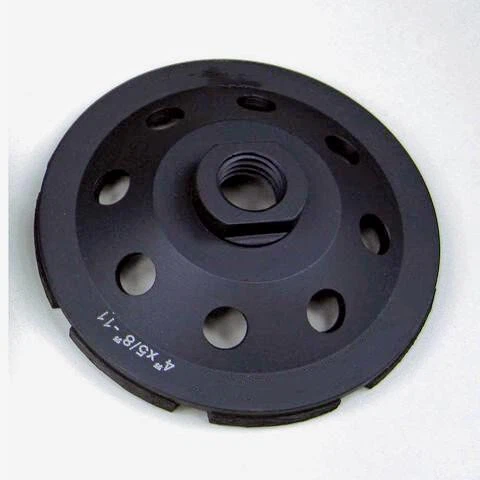
If you're also interested in polishing other stone surfaces, we offer Marble Polishing Pads. These pads are specifically designed for marble and can achieve excellent results. For grinding tasks, our Single Row Segmented Cup Wheel is a great option. And if you're looking for a more comprehensive polishing solution, our 3 Steps Dry and Wet Polishing Pads provide a convenient way to achieve a high - quality finish.
Conclusion
Using quartz polishing pads for DIY projects can be a rewarding experience. With the right preparation, tools, and techniques, you can restore the shine and luster of your quartz surfaces. Whether you choose wet or dry polishing, following the steps outlined in this blog will help you achieve professional - looking results.
If you're interested in purchasing high - quality quartz polishing pads or any of our other stone - related products, we encourage you to reach out to us for a procurement discussion. We're committed to providing the best products and services to meet your needs.
References
- "Quartz Countertop Care and Maintenance Guide" by Stone Fabricators Alliance
- "Diamond Polishing Techniques for Natural Stone" by International Stone Institute