

Can hand polishing sheets be used on textured surfaces?
Aug 18, 2025
Hey there! As a supplier of Hand Polishing Sheets, I often get asked if these sheets can be used on textured surfaces. It's a great question, and today I'm gonna break it all down for you.
First off, let's understand what hand polishing sheets are. They're basically thin, flexible sheets with abrasive particles on one side. These abrasives can be made from different materials like silicon carbide, aluminum oxide, or diamond. The type of abrasive and its grit size determine how aggressive or fine the polishing action will be.
Now, textured surfaces come in all shapes and sizes. You've got surfaces with small bumps, ridges, grooves, or even more complex patterns. The key to using hand polishing sheets on these surfaces lies in understanding the nature of the texture and how the sheet interacts with it.
One of the main factors to consider is the grit size of the hand polishing sheet. For rough - textured surfaces, you'll probably want to start with a coarser grit. Coarse - grit sheets have larger abrasive particles, which are better at removing material quickly. They can help to smooth out the high points on the textured surface and start the process of leveling it. For example, if you're dealing with a stone surface that has a very rough, uneven texture, a 60 - grit or 80 - grit hand polishing sheet could be a good starting point.
On the other hand, fine - grit sheets are used for the final stages of polishing. They have smaller abrasive particles that create a smoother finish. Once you've used a coarse - grit sheet to get the surface close to the desired level, you can switch to a finer grit, like 220 - grit or 400 - grit, to refine the surface and give it a nice shine.
But it's not just about the grit size. The flexibility of the hand polishing sheet also plays a crucial role. Textured surfaces are, well, not flat. A flexible sheet can conform to the shape of the texture, allowing the abrasive particles to reach into the nooks and crannies. This is especially important for surfaces with deep grooves or complex patterns. A rigid sheet might only be able to polish the high points, leaving the low areas untouched.
Another thing to keep in mind is the pressure you apply while using the hand polishing sheet. When working on a textured surface, you need to be a bit more careful. Applying too much pressure can cause the sheet to wear out quickly or even damage the surface. You should use a light, even pressure and let the abrasive do the work. It might take a bit longer, but you'll get a better result.
Now, let's talk about some of the benefits of using hand polishing sheets on textured surfaces. One of the biggest advantages is the control you have. Unlike some power - operated polishing tools, you can really focus on specific areas of the texture. This is great for restoring antique pieces or working on small, detailed surfaces. You can make sure that every part of the texture is polished evenly.
However, there are also some challenges. Textured surfaces can be harder to clean during the polishing process. Dust and debris can get trapped in the grooves and ridges, which can affect the quality of the polish. You might need to stop periodically to clean the surface and the sheet. You can use a soft brush or compressed air to remove the dust.
In addition to hand polishing sheets, you might also want to consider using some accessories. For example, Rubber Chemical Resistant Gloves can protect your hands from the abrasive particles and any chemicals that you might use during the polishing process. They're especially important if you're working with large quantities of sheets or if you're using harsh cleaning agents.
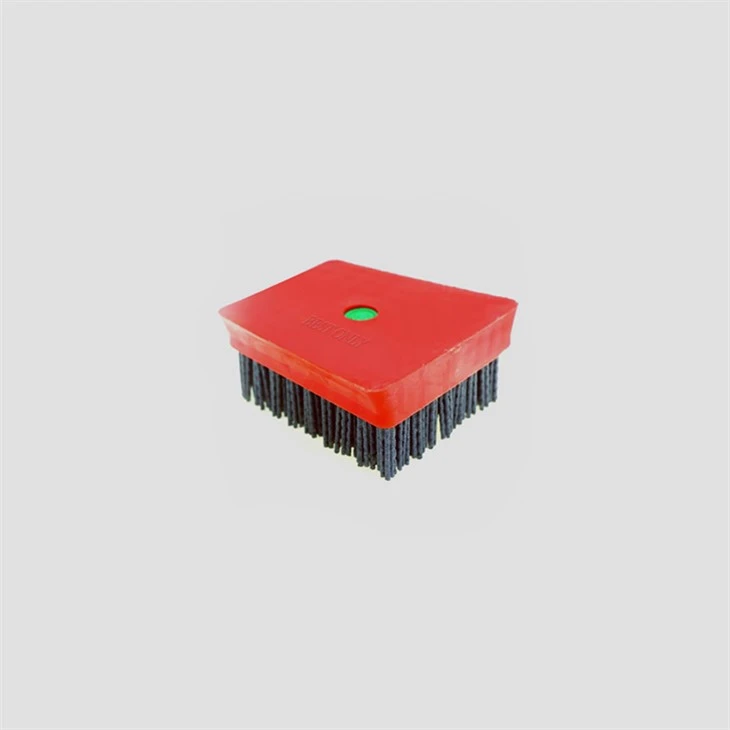
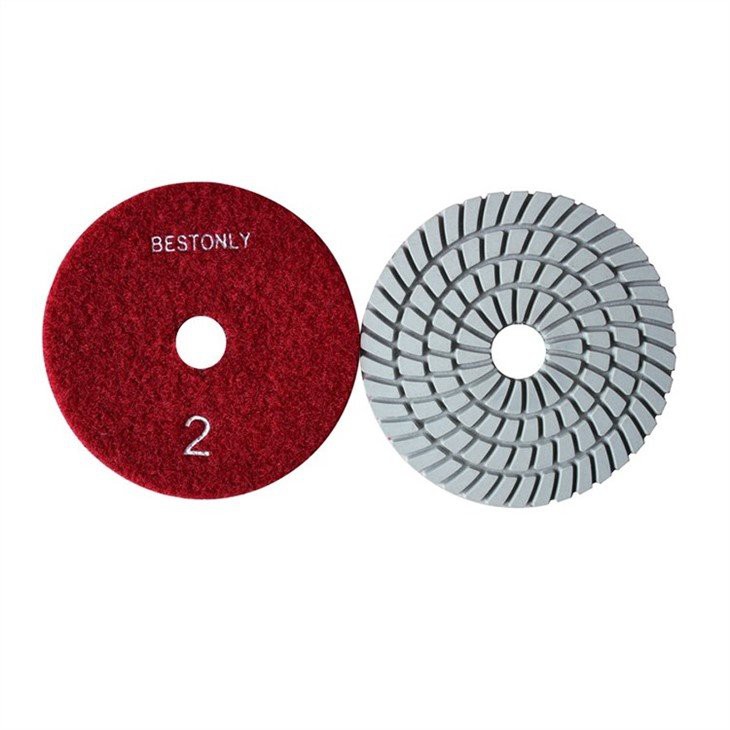
Another useful accessory is the Frankfurt Abrasive Brush. This brush can be used to pre - clean the textured surface before you start polishing. It can help to remove loose dirt and debris, making the polishing process more effective. And if you're working on a wet - polishing project, the 3 Steps Wet Polishing Pads can be a great addition. They're designed to work with water, which helps to cool the surface and prevent the abrasive from overheating.
So, can hand polishing sheets be used on textured surfaces? The answer is a resounding yes! With the right grit size, a flexible sheet, and the proper technique, you can achieve great results. Whether you're a DIY enthusiast or a professional in the polishing industry, hand polishing sheets can be a valuable tool in your arsenal.
If you're interested in purchasing hand polishing sheets or any of the accessories I mentioned, I'd love to have a chat with you. We've got a wide range of products to suit different needs and budgets. Contact me to start a discussion about your specific requirements. I'm here to help you find the best solutions for your polishing projects.
References
- "The Basics of Surface Polishing", Industrial Polishing Handbook
- "Textured Surfaces: Challenges and Solutions in Polishing", Journal of Surface Finishing Technology