

How to deal with damaged aluminium flanges?
Aug 15, 2025
Hey there! I'm an aluminium flanges supplier, and I know firsthand how frustrating it can be to deal with damaged aluminium flanges. Whether it's due to wear and tear, improper handling, or some other unforeseen circumstances, damaged flanges can throw a wrench in your operations. But don't worry, I've got some tips and tricks up my sleeve to help you handle these situations like a pro.
First off, let's talk about identifying the damage. When you're dealing with aluminium flanges, you might come across different types of damage. There could be cracks, dents, corrosion, or even some kind of deformation. Cracks are usually a big red flag as they can compromise the structural integrity of the flange. Dents might not seem as serious at first glance, but they can still affect the sealing performance. Corrosion is another common issue, especially if the flanges are exposed to harsh environments. And deformation can occur if the flanges are overloaded or subjected to excessive force.
Once you've identified the damage, it's time to assess the severity. Not all damage is created equal, and some can be fixed while others might require a replacement. For minor cracks or dents, you might be able to repair them. But if the damage is extensive, like a large crack that runs through the flange or severe corrosion that has eaten away a significant portion of the material, it's probably best to replace the flange.
Let's start with the repair options. If you've got a small crack, one option is to use a welding technique. Aluminium welding can be a bit tricky compared to other metals, but with the right equipment and skills, it can be done. You'll need to clean the area around the crack thoroughly to remove any dirt, grease, or oxidation. Then, you can use a suitable aluminium filler rod and a welding machine to fill the crack. Make sure to follow the proper welding procedures to ensure a strong and reliable repair.
For dents, you can try using a hammer and a block of wood. Place the block of wood on the inside of the flange, right behind the dent. Then, gently tap the outside of the dent with the hammer. This can help to reshape the flange and reduce the size of the dent. It might take a bit of patience and some trial and error, but it can be an effective way to fix minor dents.
If you're dealing with corrosion, there are several ways to address it. One option is to use a chemical cleaner specifically designed for aluminium. These cleaners can help to remove the corrosion and restore the surface of the flange. You'll need to soak the flange in the cleaner for a certain period of time, depending on the severity of the corrosion. After that, rinse the flange thoroughly with water and dry it completely.
Another option for corrosion is to use a protective coating. There are various types of coatings available, such as paint, powder coating, or anodizing. A protective coating can help to prevent further corrosion and extend the lifespan of the flange. Before applying the coating, make sure to clean and prepare the surface of the flange properly.
Now, let's talk about when it's time to replace the flange. If the damage is too severe to repair or if the flange has reached the end of its service life, replacement is the way to go. When choosing a replacement flange, make sure to select one that is compatible with your existing system. Consider factors such as the size, pressure rating, and material of the flange.
In addition to the repair and replacement options, it's also important to take preventive measures to avoid future damage. One of the key things is to handle the flanges properly during installation and use. Make sure to follow the manufacturer's instructions and use the correct tools and techniques. Avoid over-tightening the bolts, as this can cause stress on the flange and lead to damage.
Regular maintenance is also crucial. Inspect your flanges regularly for any signs of damage or wear. Clean them periodically to remove any dirt, debris, or corrosive substances. And if you notice any issues, address them promptly before they become more serious.
Now, I'd like to mention some related products that might come in handy when dealing with aluminium flanges or other industrial applications. For example, if you're working on a project that involves stone polishing, you might be interested in Snail Lock Resin Edge Polishing Pads. These pads are designed to provide a high-quality finish and are suitable for a variety of stone materials.
If you need to cut basalt or granite, the Silent Basalt And Granite Cutting Blade is a great option. It offers a smooth and efficient cutting performance, and it's designed to reduce noise and vibration.
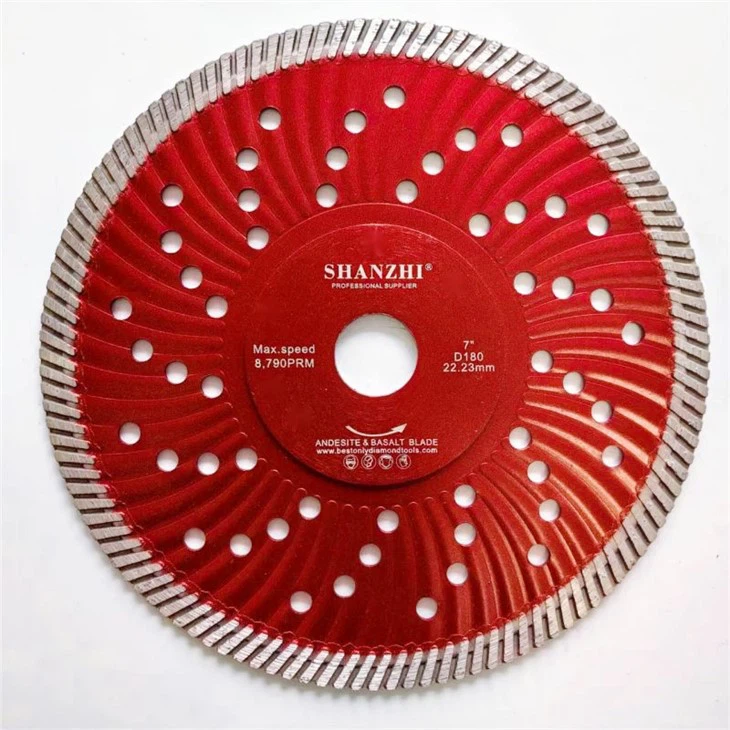
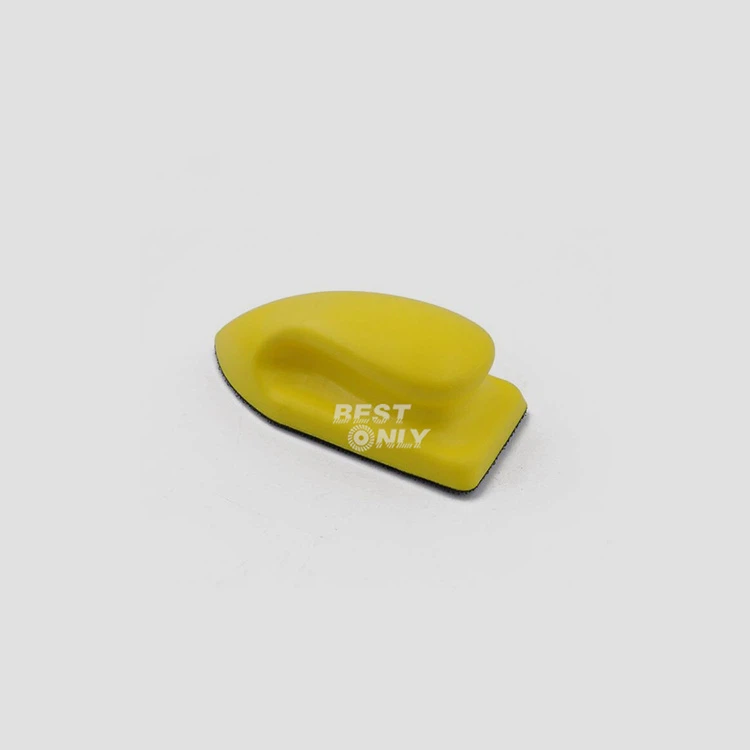
And for those who need a backing pad for their polishing or sanding operations, the Foam Hand Backer Pads are a reliable choice. They provide a comfortable grip and help to distribute the pressure evenly.
If you're in the market for aluminium flanges or have any questions about dealing with damaged flanges, don't hesitate to reach out. I'm here to help you find the best solutions for your needs. Whether you need a single flange or a large quantity, I can provide you with high-quality products at competitive prices. So, let's start a conversation and see how we can work together to solve your flange problems.
References:
- "Aluminium Welding Handbook"
- "Industrial Flange Maintenance Guide"
- "Corrosion Prevention and Control in Aluminium Structures"