

Can I use a polishing pad on a brushed metal surface?
Oct 20, 2025
Can I use a polishing pad on a brushed metal surface?
When it comes to the world of metal finishing, the question of whether one can use a polishing pad on a brushed metal surface is a common one. As a supplier of high - quality polishing pads, I've encountered this query numerous times from clients in various industries, ranging from automotive to home decor. In this blog, I'll delve into the science behind brushed metal surfaces, the functionality of polishing pads, and provide a comprehensive answer to this frequently asked question.
Understanding Brushed Metal Surfaces
Brushed metal is created through a process that involves abrading the metal surface with an abrasive material in a consistent direction. This results in a textured finish with fine, parallel lines, which gives the metal a unique aesthetic appeal and also provides some level of resistance to fingerprints and scratches. The process of brushing can be done using different grades of abrasives, from coarse to fine, depending on the desired look and feel of the final product.
The brushed finish is often used for decorative purposes, such as in stainless - steel appliances, jewelry, and architectural elements. It is also a popular choice in industrial applications where a non - reflective surface is required to reduce glare. The key characteristic of a brushed metal surface is its directional texture, which can be easily disrupted if not treated properly.
How Polishing Pads Work
Polishing pads are designed to smooth and shine a variety of surfaces, including metals, plastics, and stones. They come in different types, such as foam pads, felt pads, and diamond - impregnated pads. Each type has its own unique properties and is suitable for different applications.
Foam pads are commonly used for light polishing and buffing. They are soft and flexible, which allows them to conform to the shape of the surface being polished. Felt pads, on the other hand, are more absorbent and can hold polishing compounds better. They are often used for more aggressive polishing and can remove deeper scratches and imperfections.
Diamond - impregnated pads are the most aggressive type of polishing pads. They contain tiny diamond particles embedded in a resin matrix, which can cut through hard materials like metal and stone. These pads are ideal for heavy - duty grinding and polishing tasks. For example, our Diamond Metal Grinding Pads are specifically designed to handle tough metal surfaces and can be used for both rough grinding and fine polishing.
Using a Polishing Pad on a Brushed Metal Surface
The answer to whether you can use a polishing pad on a brushed metal surface is not a simple yes or no. It depends on several factors, including the type of polishing pad, the desired outcome, and the condition of the metal surface.
If your goal is to maintain the brushed finish while removing minor scratches and dirt, you can use a soft foam pad with a mild polishing compound. The soft pad will not disrupt the directional texture of the brushed surface, and the mild compound will gently clean and shine the metal. However, you need to be careful to apply the pad in the same direction as the brush lines to avoid creating a non - uniform finish.
On the other hand, if you want to completely change the brushed finish to a mirror - like shine, you can use a more aggressive polishing pad, such as a felt pad or a diamond - impregnated pad. But be aware that this will remove the brushed texture and replace it with a smooth, reflective surface. For instance, if you start with a heavily scratched brushed metal surface and want to restore it to a high - gloss finish, our 10inch 250mm Diamond Brush can be used in the initial stages to remove the scratches, followed by a finer polishing pad to achieve the desired shine.
Potential Risks
Using the wrong polishing pad on a brushed metal surface can lead to several problems. If you use an overly aggressive pad, you may remove the brushed texture completely, leaving behind a smooth, shiny surface that is not what you intended. This can be a costly mistake, especially if the metal is part of a high - end product or an architectural feature.

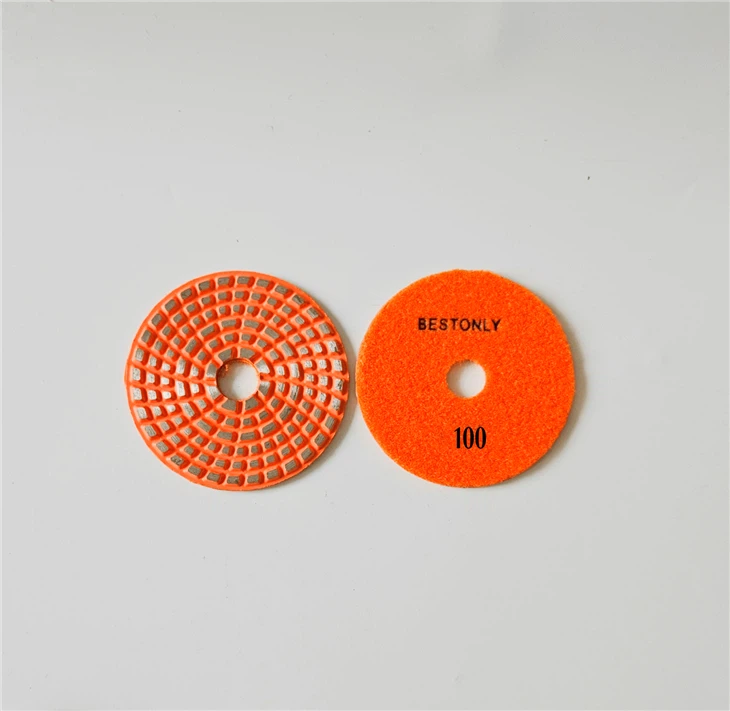
Another risk is that improper polishing can cause uneven wear on the metal surface. If you apply the pad unevenly or use too much pressure in some areas, you may end up with a surface that has different levels of shine and texture. This can be difficult to correct and may require additional work to restore the uniformity of the finish.
Best Practices
To ensure the best results when using a polishing pad on a brushed metal surface, here are some best practices:
- Choose the right pad: Select a pad that is appropriate for the level of polishing you need. For light cleaning and maintenance, a soft foam pad is a good choice. For more aggressive polishing, consider a felt or diamond - impregnated pad.
- Use the correct polishing compound: Match the polishing compound to the type of pad and the metal surface. A mild compound is suitable for soft pads and light polishing, while a more abrasive compound may be needed for aggressive pads.
- Polish in the direction of the brush lines: This will help maintain the directional texture of the brushed surface.
- Test on a small area first: Before applying the polishing pad to the entire surface, test it on a small, inconspicuous area to see how the metal reacts. This will allow you to make any necessary adjustments to the pad or compound.
Other Tools for Metal Finishing
In addition to polishing pads, there are other tools that can be used for metal finishing. For example, the Single Row Segmented Cup Wheel is a great option for grinding and shaping metal surfaces. It can be used to remove large amounts of material quickly and is often used in industrial applications.
Conclusion
In conclusion, it is possible to use a polishing pad on a brushed metal surface, but it requires careful consideration of the type of pad, the polishing compound, and the desired outcome. Whether you want to maintain the brushed finish or transform it into a high - gloss shine, there are appropriate pads and techniques available.
As a leading supplier of polishing pads, we offer a wide range of products to meet your metal finishing needs. If you have any questions about which polishing pad is right for your project or need more information on metal finishing techniques, we encourage you to reach out to us for a professional consultation. We are here to help you achieve the best results for your metal surfaces.
References
- "Metal Finishing Handbook" by Paul G. Kunkel
- "Surface Engineering for Corrosion and Wear Resistance" by David Croll