

Can I use marble polishing pads on a marble tabletop?
Aug 25, 2025
Can I use marble polishing pads on a marble tabletop?
Marble tabletops are a timeless addition to any home or office, exuding elegance and sophistication. However, over time, even the most well - maintained marble tabletops can lose their luster. As a supplier of marble polishing pads, I'm often asked whether these pads can be used on marble tabletops. The short answer is yes, but there's a lot more to it than just a simple yes or no.
Understanding Marble and Its Characteristics
Marble is a natural stone formed from limestone under extreme heat and pressure. It's composed mainly of calcium carbonate, which makes it relatively soft compared to other stones like granite. This softness means that marble is prone to scratching, etching, and staining. Etching occurs when acidic substances, such as lemon juice or vinegar, react with the calcium carbonate in the marble, leaving dull spots. Scratches can happen from daily use, like moving objects across the surface.

The porosity of marble also varies. Some marbles are more porous than others, which means they can absorb liquids more easily. This is important to consider when using marble polishing pads because the type of pad and the polishing process can affect how well the marble resists future damage.
How Marble Polishing Pads Work
Marble polishing pads are designed to remove minor scratches, etches, and dullness from the surface of marble. They come in different grits, similar to sandpaper. Lower grit pads, such as 50 - 100 grit, are more abrasive and are used for heavy - duty work like removing deep scratches or leveling an uneven surface. Higher grit pads, like 2000 - 3000 grit, are used for the final polishing stage to achieve a high - gloss finish.
The pads work by abrading the surface of the marble in a controlled manner. As the pad rotates or moves across the marble, it gradually removes a thin layer of the stone, which in turn smooths out the surface and restores its shine. The polishing process also helps to close the pores of the marble to some extent, making it more resistant to staining.
Using Marble Polishing Pads on a Marble Tabletop
When using marble polishing pads on a marble tabletop, it's crucial to follow a proper process. First, clean the tabletop thoroughly. Remove any dust, dirt, or debris using a mild, pH - neutral cleaner and a soft cloth. This ensures that the polishing pads won't be clogged with dirt during the process.
Next, start with the lowest grit pad that is appropriate for the condition of the tabletop. If there are deep scratches, you might need to start with a 50 - grit pad. However, if the tabletop only has minor dullness, a 200 - 400 grit pad might be sufficient. Apply a small amount of water to the surface of the marble to act as a lubricant. This helps to prevent the pad from overheating and also reduces the amount of dust generated.
Use a polishing machine or a hand - held buffer to move the pad across the tabletop in a slow, circular motion. Make sure to cover the entire surface evenly. As you progress through the different grits, rinse the surface of the marble with clean water to remove any residue from the previous pad.
After using the lower grit pads, move on to the higher grit pads. Each higher grit pad will further refine the surface and increase the shine. Finish with the highest grit pad available for a mirror - like finish.
Tools That Can Complement Marble Polishing Pads
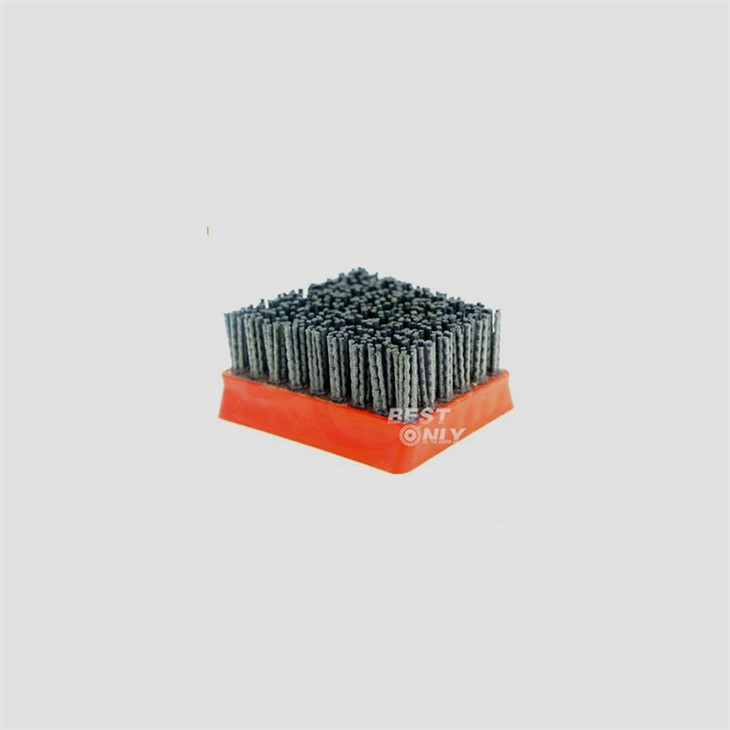
In addition to marble polishing pads, there are other tools that can be used to enhance the polishing process. For example, the Frankfurt Abrasive Brush can be used to clean the pores of the marble before polishing. It helps to remove any dirt or grime that might be trapped in the pores, allowing the polishing pads to work more effectively.
The 7 Inch Air Grinder Saw Cutter can be used for more heavy - duty work, such as removing large areas of damaged marble or for shaping the edges of the tabletop. It provides a powerful and precise way to work with the marble.
The 2 Inch Resin Drum Grinding Wheels are useful for grinding and smoothing the surface of the marble before using the polishing pads. They can quickly remove uneven areas and prepare the surface for a more uniform polishing process.
Precautions When Using Marble Polishing Pads
While marble polishing pads can be very effective, there are some precautions to take. First, avoid using pads that are too abrasive for the condition of the tabletop. Using a very low - grit pad on a tabletop with only minor dullness can cause more harm than good, as it can remove too much of the marble and leave deep scratches.
Also, make sure to wear appropriate safety gear, such as safety glasses and a dust mask. The polishing process can generate a significant amount of dust, which can be harmful if inhaled.
Benefits of Using Marble Polishing Pads on a Tabletop
Using marble polishing pads on a marble tabletop offers several benefits. Firstly, it restores the original beauty of the marble. A polished tabletop looks more luxurious and can enhance the overall aesthetic of the room.
Secondly, it increases the durability of the marble. By closing the pores and smoothing the surface, the tabletop becomes more resistant to staining and scratching. This means that it will require less maintenance in the long run.
Contact for Purchase and Consultation
If you're interested in purchasing high - quality marble polishing pads or need more information about how to use them on your marble tabletop, feel free to contact us. We have a wide range of products suitable for different types of marble and different levels of damage. Whether you're a professional stone contractor or a homeowner looking to restore your marble tabletop, we can provide you with the right solutions.
References
- "Marble: A Comprehensive Guide" by Stone Industry Press
- "Polishing Natural Stone Surfaces" - Journal of Stone Restoration Techniques
- Manufacturer's guides for marble polishing pads and related tools