

What materials are used to make the Fickert Diamond Brush?
Aug 25, 2025
As a supplier of Fickert Diamond Brushes, I am often asked about the materials used in their production. Fickert Diamond Brushes are renowned for their high performance, durability, and precision in various stone - working applications. In this blog post, I will delve into the key materials that make these brushes so exceptional.
Diamond Grit
The most prominent and crucial material in Fickert Diamond Brushes is the diamond grit. Diamonds are the hardest known natural material, with a Mohs hardness of 10. This extreme hardness allows the brushes to cut through tough materials like granite, marble, and concrete with ease.
The diamond grit used in Fickert Diamond Brushes is carefully selected based on its quality, size, and concentration. High - quality diamonds ensure a longer lifespan and more consistent performance. The size of the diamond grit determines the aggressiveness of the brush. Coarser grits, such as 20 - 30 mesh, are used for heavy - duty grinding and rough shaping of stone surfaces. They can quickly remove large amounts of material, making them ideal for initial processing.
On the other hand, finer grits, like 120 - 220 mesh, are used for more delicate tasks such as polishing and finishing. These finer diamonds create a smoother surface finish, enhancing the aesthetic appeal of the stone. The concentration of diamond grit also plays a significant role. A higher concentration of diamonds in the brush means more cutting edges are available, which can increase the cutting speed and efficiency.
Bonding Material
The bonding material is what holds the diamond grit in place within the brush. It is responsible for maintaining the shape and integrity of the brush during use. Fickert uses advanced bonding technologies to ensure a strong and reliable bond between the diamond grit and the brush body.
One of the commonly used bonding materials is metal bond. Metal - bonded Fickert Diamond Brushes are known for their excellent wear resistance. The metal bond provides a firm grip on the diamond grit, preventing it from falling off prematurely. This makes metal - bonded brushes suitable for high - pressure and high - speed applications. They can withstand the rigors of heavy - duty grinding and maintain their cutting performance over a long period.
Resin bond is another type of bonding material used in Fickert Diamond Brushes. Resin - bonded brushes are more flexible compared to metal - bonded ones. They are often used for applications where a smoother finish is required, such as polishing. The resin bond allows the brush to conform to the shape of the stone surface, providing a more even and consistent finish. Additionally, resin - bonded brushes generate less heat during operation, which can prevent damage to the stone.
Brush Body
The brush body serves as the structural foundation for the diamond grit and the bonding material. It provides support and stability to the brush during use. Fickert Diamond Brushes typically have a robust brush body made from high - quality materials.
One common material for the brush body is steel. Steel is strong, durable, and can withstand the forces exerted during grinding and polishing. It has good resistance to corrosion, which is important when the brushes are used in wet or humid environments. The steel brush body also provides a stable platform for the diamond grit and bonding material, ensuring that the brush maintains its shape and performance.
In some cases, Fickert may also use composite materials for the brush body. Composite materials can offer a combination of strength, light weight, and flexibility. They can be designed to meet specific requirements of different applications. For example, a composite brush body may be used in applications where a lighter brush is needed to reduce operator fatigue.
Other Components
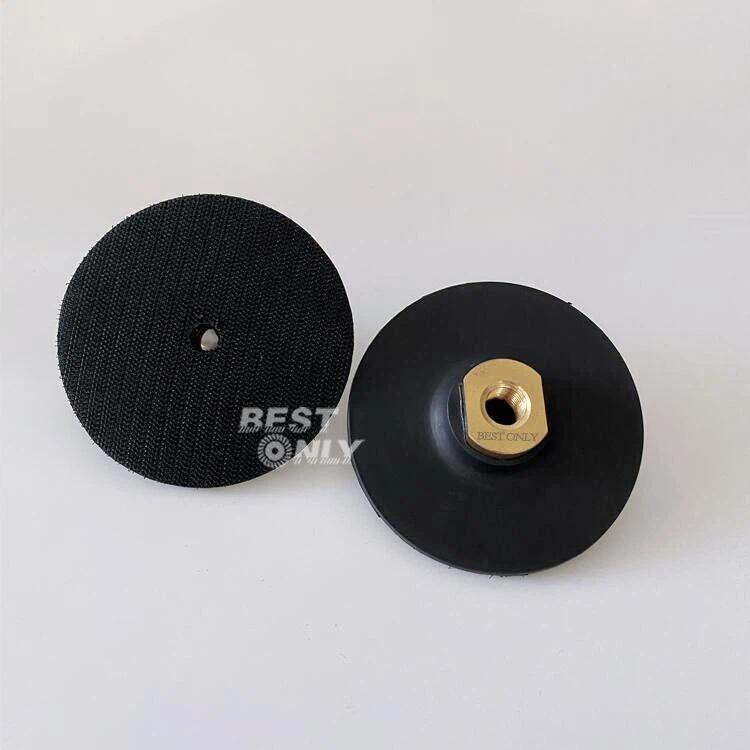
In addition to the main materials mentioned above, Fickert Diamond Brushes may also include other components. For example, some brushes may have a backing pad. A Super Flexible Backer Pad can enhance the flexibility and adaptability of the brush. It allows the brush to better conform to irregular surfaces, improving the overall performance of the brush.

Another component that may be used is a resin - filled grinding wheel. The Resin Filled Grinding Wheel BL - RFGW can work in conjunction with the diamond brush to provide a more comprehensive stone - working solution. It can be used for pre - grinding or for removing stubborn stains and marks on the stone surface.
Marble polishing pads, such as the Marble Polishing Pads, can also be part of the Fickert product ecosystem. These pads can be used in combination with the diamond brushes to achieve a high - gloss finish on marble surfaces.
Conclusion
In conclusion, Fickert Diamond Brushes are made from a combination of high - quality materials, each playing a crucial role in the brush's performance. The diamond grit provides the cutting power, the bonding material holds the grit in place, and the brush body offers structural support. Other components such as backing pads, resin - filled grinding wheels, and marble polishing pads further enhance the functionality of the brushes.
If you are in the market for high - quality diamond brushes for your stone - working projects, I encourage you to reach out for a procurement discussion. We can provide you with detailed information about our Fickert Diamond Brushes and help you choose the right products for your specific needs.
References
- "Diamond Tools for Stone Processing" - Industry research report on diamond - based tools.
- Fickert product technical specifications.
- "Advanced Bonding Technologies in Diamond Tools" - Academic paper on bonding materials in diamond tools.