

Can quartz polishing pads remove deep scratches on quartz?
Jul 24, 2025
Quartz is a popular choice for countertops, floors, and various decorative elements in both residential and commercial spaces due to its durability, aesthetic appeal, and low maintenance requirements. However, over time, even the most robust quartz surfaces can develop deep scratches, which can detract from their overall appearance. As a supplier of Quartz Polishing Pads, I often receive inquiries about whether these pads can effectively remove deep scratches on quartz. In this blog post, I will delve into the science behind quartz scratches, the capabilities of quartz polishing pads, and provide insights into the best practices for scratch removal.
Understanding Quartz Scratches
Quartz is an engineered stone composed of approximately 90% quartz crystals and 10% resin and pigments. While it is highly resistant to scratches compared to natural stones like marble or granite, it is not entirely scratch-proof. Deep scratches on quartz can occur due to a variety of factors, including:
- Abrasive Materials: Contact with hard or abrasive materials such as sand, gravel, or metal objects can cause scratches on the quartz surface.
- Improper Cleaning Tools: Using abrasive cleaning pads or harsh chemicals can damage the quartz surface and lead to scratches.
- Heavy Impact: Dropping heavy objects on the quartz surface can cause deep scratches or even cracks.
How Quartz Polishing Pads Work
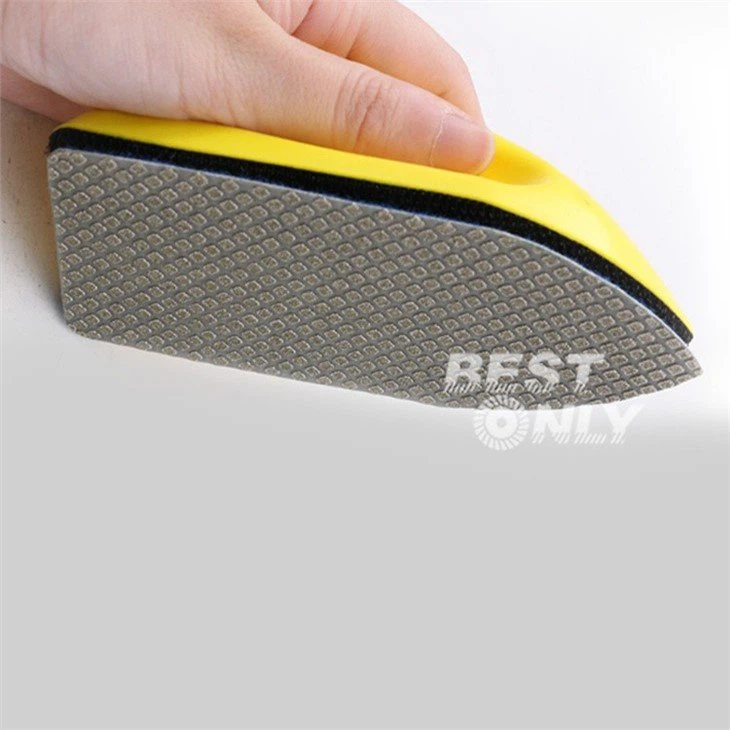
Quartz polishing pads are designed to remove surface imperfections and restore the shine and smoothness of quartz surfaces. These pads typically consist of a backing material coated with abrasive particles, such as diamonds or silicon carbide. The abrasive particles work by gradually wearing down the surface of the quartz, removing scratches and other imperfections.
There are several types of quartz polishing pads available on the market, each with its own unique characteristics and applications. Some of the most common types include:
- Diamond Polishing Pads: These pads are coated with diamond abrasive particles, which are the hardest known material. Diamond polishing pads are highly effective at removing deep scratches and achieving a high-gloss finish on quartz surfaces.
- Silicon Carbide Polishing Pads: These pads are coated with silicon carbide abrasive particles, which are less expensive than diamonds but still effective at removing scratches and polishing quartz surfaces.
- Resin Bonded Polishing Pads: These pads are made of a resin material that is impregnated with abrasive particles. Resin bonded polishing pads are flexible and can conform to the shape of the quartz surface, making them ideal for polishing curved or irregular surfaces.
Can Quartz Polishing Pads Remove Deep Scratches?
The ability of quartz polishing pads to remove deep scratches depends on several factors, including the depth and severity of the scratches, the type of polishing pad used, and the polishing technique employed. In general, quartz polishing pads can effectively remove shallow to moderate scratches on quartz surfaces. However, deep scratches may require multiple passes with a coarse-grit polishing pad followed by finer-grit pads to achieve a smooth and even finish.
It is important to note that while quartz polishing pads can improve the appearance of deep scratches, they may not completely eliminate them. In some cases, deep scratches may be too severe to be repaired with polishing pads alone, and other repair methods, such as resin filling or replacement, may be necessary.
Best Practices for Using Quartz Polishing Pads
To achieve the best results when using quartz polishing pads, it is important to follow these best practices:
- Choose the Right Polishing Pad: Select a polishing pad that is appropriate for the depth and severity of the scratches on the quartz surface. Coarse-grit pads are ideal for removing deep scratches, while finer-grit pads are used for polishing and finishing.
- Prepare the Surface: Before using the polishing pad, clean the quartz surface thoroughly to remove any dirt, debris, or contaminants. This will ensure that the polishing pad can work effectively and prevent further damage to the surface.
- Use a Polishing Machine: For large or irregularly shaped surfaces, it is recommended to use a polishing machine to ensure even pressure and consistent results. A polishing machine can also save time and effort compared to manual polishing.
- Apply the Right Pressure: Apply moderate pressure when using the polishing pad to avoid overheating the quartz surface or causing further damage. Start with a light pressure and gradually increase it as needed.
- Work in Small Sections: To achieve a uniform finish, work in small sections at a time. This will allow you to focus on each area and ensure that the polishing is done evenly.
- Rinse and Dry the Surface: After polishing each section, rinse the quartz surface thoroughly with water to remove any abrasive particles or debris. Dry the surface with a clean cloth to prevent water spots.
Additional Tools and Accessories
In addition to quartz polishing pads, there are several other tools and accessories that can be used to enhance the scratch removal process and achieve a professional finish. Some of these tools and accessories include:
- Aluminium Flanges: Aluminium flanges are used to attach the polishing pads to the polishing machine. They provide a secure and stable connection, ensuring that the polishing pads stay in place during the polishing process. Aluminium Flanges
- V2 Electroplated Polishing Sheets: V2 electroplated polishing sheets are a type of diamond polishing pad that is designed for high-speed polishing and finishing. These sheets are highly durable and can achieve a high-gloss finish on quartz surfaces. V2 Electroplated Polishing Sheets
- Rubber Backing Pads: Rubber backing pads are used to provide cushioning and flexibility when using the polishing pads. They help to prevent the polishing pads from scratching the quartz surface and ensure a smooth and even finish. Rubber Backing Pads
Conclusion
In conclusion, quartz polishing pads can be an effective tool for removing shallow to moderate scratches on quartz surfaces. However, the ability of these pads to remove deep scratches depends on several factors, including the depth and severity of the scratches, the type of polishing pad used, and the polishing technique employed. By following the best practices outlined in this blog post and using the right tools and accessories, you can achieve a professional finish and restore the beauty of your quartz surfaces.
If you are interested in purchasing quartz polishing pads or other stone polishing products, please feel free to contact us for more information. Our team of experts is available to provide you with personalized advice and assistance to help you choose the right products for your needs. We look forward to working with you to achieve the best results for your quartz surfaces.

References
- "Quartz Countertops: Maintenance and Care." The Spruce, https://www.thespruce.com/quartz-countertops-maintenance-and-care-1822229.
- "How to Polish Quartz Countertops." Home Guides, https://homeguides.sfgate.com/polish-quartz-countertops-46778.html.
- "Diamond Polishing Pads: A Guide to Choosing the Right One." Stone World, https://www.stoneworld.com/articles/100140-diamond-polishing-pads-a-guide-to-choosing-the-right-one.