

How do granite polishing pads influence the color of granite?
Jun 19, 2025
Granite, a popular natural stone renowned for its durability and aesthetic appeal, is widely used in various construction and decoration projects. The color of granite is one of its most important characteristics, which can significantly impact the overall visual effect of a space. Granite polishing pads play a crucial role in enhancing and influencing the color of granite. As a leading supplier of Granite Polishing Pads, I have witnessed firsthand how these pads can transform the appearance of granite. In this blog, I will delve into the ways in which granite polishing pads influence the color of granite.
1. Surface Smoothing and Reflectivity
One of the primary ways granite polishing pads affect the color of granite is by smoothing the surface. Granite, in its natural state, has a rough surface with microscopic irregularities. These irregularities scatter light in different directions, making the stone appear dull and reducing the vibrancy of its color. When granite is polished using high - quality polishing pads, the surface becomes smoother.
The process of polishing involves gradually removing these surface irregularities. Coarse - grit polishing pads are used first to level the surface and remove any major scratches or imperfections. As the grit size of the pads decreases, the surface becomes increasingly smooth. A smooth surface allows light to reflect more uniformly, enhancing the stone's luster. This increased reflectivity makes the colors in the granite more vivid and intense. For example, the veins and flecks in the granite that were previously less distinct become more prominent, and the overall color appears richer.
2. Exposure of Deeper Layers
Granite is a complex rock composed of different minerals, and its color can vary at different depths. During the cutting and initial processing of granite, the outer layer may have been weathered or damaged, which can affect the perceived color. Granite polishing pads gradually remove the outer layer of the stone, exposing deeper layers with potentially different color characteristics.
When using polishing pads, especially those with finer grits, a small amount of material is removed from the surface. This can reveal minerals that were previously hidden beneath the outer layer. Some minerals may have a different color or hue compared to the surface layer, resulting in a change in the overall color appearance of the granite. For instance, a granite slab that appears to have a relatively uniform color on the surface may reveal streaks or patches of a different color as it is polished further, adding more depth and complexity to its color.
3. Color Enhancement through Chemical Reactions
Some advanced granite polishing pads are designed with special formulations that can chemically react with the surface of the granite. These chemical reactions can have an impact on the color of the stone. For example, certain polishing compounds in the pads may contain agents that can react with the minerals in the granite to enhance their color.
These chemical reactions can either intensify the existing colors or modify them slightly. Some agents can oxidize certain minerals in the granite, which can darken or change the color of those minerals. Others may act as a sealant, protecting the stone from future discoloration and also enhancing the color by providing a protective layer that improves the stone's sheen. However, it is important to note that these chemical reactions need to be carefully controlled to ensure that the color change is desirable and does not damage the stone.
4. Uniformity of Color
Granite slabs can sometimes have color variations across their surface. These variations can be due to differences in the mineral composition during the formation of the rock or due to post - formation processes. Granite polishing pads can help to even out these color variations.
By using a consistent polishing process with a series of pads, the surface of the granite is treated uniformly. The pads work to smooth the entire surface and remove any minor differences in texture or color that may be present. This results in a more uniform color appearance across the entire slab. For example, if there are areas of the granite that are slightly lighter or darker due to differences in mineral concentration, the polishing process can blend these areas together, creating a more cohesive and aesthetically pleasing color.

5. Compatibility with Different Granite Types
Not all granite types are the same, and different granites have unique mineral compositions and color characteristics. As a supplier of Granite Polishing Pads, we offer a wide range of pads that are specifically designed for different types of granite.
For example, some granites are softer and more porous, while others are harder and denser. The choice of polishing pads can significantly affect the color outcome for these different types of granite. Softer granites may require pads with a different grit sequence or a different chemical formulation to achieve the best color results. Using the wrong type of pad can lead to uneven polishing, which can in turn affect the color appearance. By providing the right pads for each type of granite, we ensure that our customers can achieve the optimal color enhancement for their specific stone.
6. Influence of Pad Quality
The quality of the granite polishing pads also plays a crucial role in influencing the color of granite. High - quality pads are made with superior materials and manufacturing processes, which ensure a more consistent and effective polishing result.
Low - quality pads may leave scratches on the surface of the granite, which can scatter light and make the color appear dull. They may also not be able to remove the outer layer of the stone evenly, leading to uneven color enhancement. In contrast, high - quality pads are designed to provide a smooth and uniform polish, which maximizes the color potential of the granite. They are also more durable, allowing for a longer and more consistent polishing process, which is essential for achieving the best color results.
7. Complementary Products and Their Role
In addition to granite polishing pads, there are other complementary products that can work in conjunction with the pads to influence the color of granite. For example, Diamond Beveling Chamfer Bits can be used to create beveled edges on granite slabs. These beveled edges can enhance the overall appearance of the granite and also affect the way light reflects off the stone, which in turn can influence the perceived color.
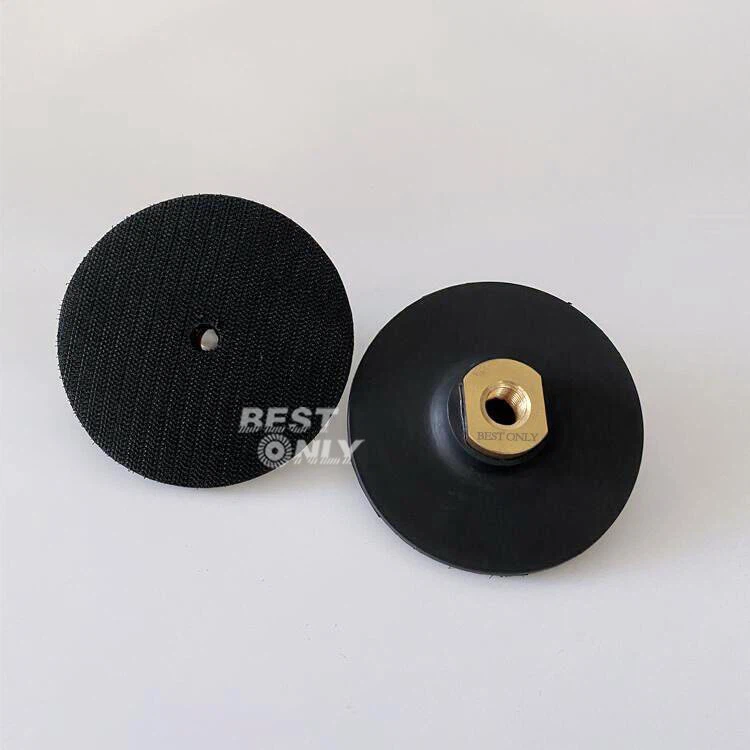
Super Flexible Backer Pad provides a better cushioning effect during the polishing process. This ensures that the polishing pads can conform to the shape of the granite surface more effectively, resulting in a more uniform polish and better color enhancement. Aluminium Flanges are used to attach the polishing pads to the polishing machine, and their quality and design can also impact the efficiency and effectiveness of the polishing process, which ultimately affects the color of the granite.
Conclusion
Granite polishing pads have a profound influence on the color of granite. Through surface smoothing, exposure of deeper layers, chemical reactions, color uniformity, compatibility with different granite types, and the impact of pad quality, these pads can transform the appearance of granite, making its colors more vivid, intense, and uniform. As a supplier of Granite Polishing Pads, we are committed to providing our customers with the highest - quality products that can achieve the best color results for their granite projects.
If you are in the market for granite polishing pads or have any questions about how to enhance the color of your granite, we would be more than happy to assist you. Contact us to start a procurement discussion and let us help you bring out the best in your granite.
References
- "Granite: A Comprehensive Guide" by Stone Industry Press
- "Polishing Techniques for Natural Stones" by Professional Stone Polishing Association