

What grit size is best for fine grinding with drum grinding wheels?
Jul 31, 2025
Hey there! As a supplier of drum grinding wheels, I often get asked about the best grit size for fine grinding. It's a crucial question because the right grit size can make a huge difference in the quality of your grinding work. In this blog, I'm going to break down everything you need to know about choosing the perfect grit size for fine grinding with drum grinding wheels.
First off, let's understand what grit size actually means. Grit size refers to the size of the abrasive particles on the grinding wheel. A lower grit number means larger abrasive particles, while a higher grit number indicates smaller particles. For fine grinding, we're typically looking at higher grit sizes because smaller particles can create a smoother finish.
Understanding the Basics of Grit Sizes
When it comes to fine grinding, grit sizes usually range from around 100 to 600 or even higher. Here's a quick breakdown of what each range is good for:
- 100 - 200 Grit: These are relatively coarse grits. They're great for removing large amounts of material quickly. If you're starting with a rough surface and need to shape it or get rid of major imperfections, a 100 - 200 grit drum grinding wheel is your go - to. However, the finish they leave is quite rough, so they're not ideal for the final fine grinding stage.
- 220 - 320 Grit: This is a mid - range grit that starts to give a smoother finish. It can be used for intermediate grinding, where you're starting to refine the surface after the initial rough shaping. It's also suitable for some applications where a moderately smooth finish is acceptable.
- 400 - 600 Grit: These are fine grits. They're perfect for the final stages of grinding when you want a super smooth and polished finish. They can remove very small amounts of material and are great for creating a high - quality surface on materials like stone, metal, or wood.
Factors to Consider When Choosing Grit Size
Now that we know the basic ranges, let's talk about the factors that should influence your choice of grit size for fine grinding.
Material Type
The type of material you're grinding is one of the most important factors. Different materials have different hardness and abrasion resistance levels.

- Stone: For stone materials like granite or marble, a 400 - 600 grit drum grinding wheel is often ideal for fine grinding. These materials are relatively hard, and the fine grits can help create a smooth, polished surface. If you're working with softer stones, you might be able to get away with a slightly lower grit, but generally, higher grits are better for a professional - looking finish. Check out our Granite Turbo Cutting Blade for cutting granite before the grinding process.
- Metal: Metals can vary widely in hardness. Softer metals like aluminum might be fine with a 320 - 400 grit for fine grinding, while harder metals like stainless steel may require a 400 - 600 grit wheel for a smooth finish.
- Wood: Wood is a softer material, and a 220 - 320 grit can often give a good fine - grinding result. However, if you're aiming for a very high - end, polished look, you might want to go up to a 400 - 600 grit.
Desired Finish
What kind of finish are you looking for? If you just need a smooth surface for functional purposes, a 320 grit might be sufficient. But if you're going for a mirror - like, show - quality finish, you'll definitely want to use a 400 - 600 grit wheel.
Time and Efficiency
Higher grit wheels generally remove material more slowly. If you're on a tight schedule and need to complete the grinding quickly, you might want to start with a lower grit and then move up to a higher grit for the final touch - up. This way, you can balance the need for speed and a good finish.
The Importance of Sequential Grinding
One thing I can't stress enough is the importance of sequential grinding. You should always start with a lower grit to remove the bulk of the material and then gradually move up to higher grits for a finer finish. Skipping grit sizes can lead to an uneven surface and may not give you the best results.
For example, if you start with a 100 grit wheel to shape the material, the next step could be a 220 grit to start refining it. Then move on to a 320 grit, and finally, a 400 - 600 grit for the ultimate fine finish. This step - by - step process ensures that you're building up a smooth and consistent surface.
Other Tools to Complement Drum Grinding Wheels
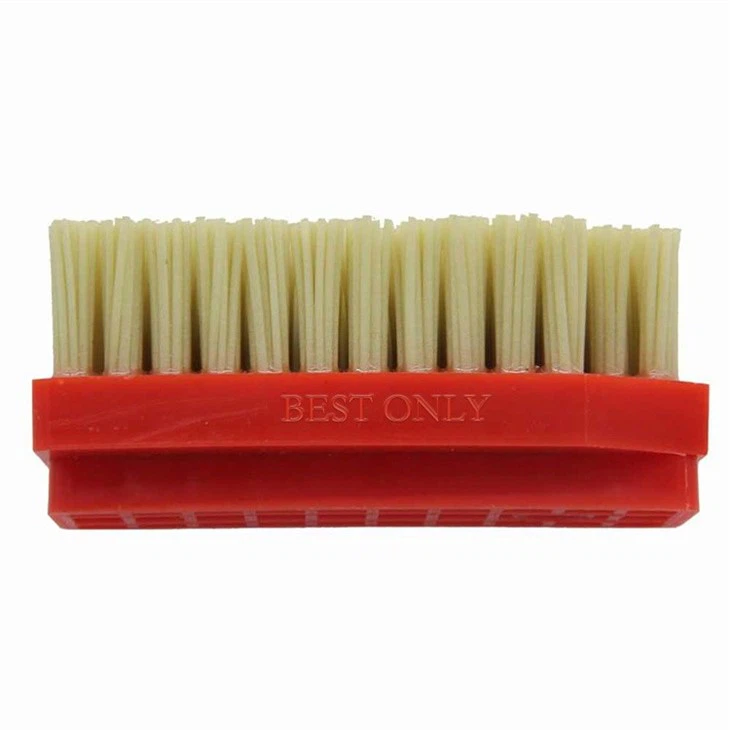
Drum grinding wheels aren't the only tools you can use for a great finish. For some applications, tools like the Fickert Diamond Brush can be used after fine grinding with a drum wheel to add an extra level of polish. These brushes are great for getting into tight corners and adding a final sheen to the surface.
Also, if you're cutting materials before grinding, tools like the Teeth Protective Diamond Turbo Cutting Blade For Sandstone Granite can make the initial cutting process more efficient and accurate.
Conclusion
Choosing the best grit size for fine grinding with drum grinding wheels depends on a variety of factors, including the material type, desired finish, and time constraints. In general, for a truly fine and polished finish, a 400 - 600 grit wheel is often the way to go, but it's important to start with lower grits and work your way up through sequential grinding.
If you're in the market for drum grinding wheels or other related tools, don't hesitate to reach out. We're here to help you find the right products for your specific needs. Whether you're a professional tradesperson or a DIY enthusiast, we've got the tools to make your grinding projects a success.
References
- "Abrasive Technology Handbook", Industrial Abrasives Association
- "Grinding and Finishing Guide", Stone Processing Institute