

What is the cost of aluminium flanges compared to other materials?
Jun 24, 2025
When it comes to selecting the right flanges for various industrial applications, one of the key considerations is the cost. In this blog post, I'll delve into the cost of Aluminium Flanges compared to other materials. As an Aluminium Flanges supplier, I have in - depth knowledge of the market and can provide valuable insights into this topic.
Understanding Aluminium Flanges
Aluminium flanges are widely used in different industries due to their unique properties. They are lightweight, which makes them easy to handle and install. Aluminium also has good corrosion resistance, especially in certain environments such as those with low - to - moderate levels of moisture and chemical exposure. This means that in some cases, they can have a longer service life without significant degradation.
The manufacturing process of aluminium flanges typically involves forging or casting. Forging results in a more refined grain structure, which can enhance the mechanical properties of the flanges. Casting, on the other hand, is a more cost - effective way to produce complex shapes.
Cost Comparison with Other Materials
Steel Flanges
Steel is one of the most common materials used for flanges. The cost of steel flanges can vary significantly depending on the type of steel. Carbon steel flanges are relatively inexpensive. They are strong and can withstand high pressures and temperatures. However, carbon steel is prone to corrosion, especially in harsh environments. To combat this, additional coating or plating is often required, which adds to the overall cost.
Stainless steel flanges, on the other hand, offer excellent corrosion resistance. They are made from an alloy that contains chromium, which forms a passive oxide layer on the surface. This makes them suitable for use in highly corrosive environments such as chemical processing plants and marine applications. But the raw material cost of stainless steel is higher than that of carbon steel, and the manufacturing process is also more complex.
In comparison, aluminium flanges are generally less expensive than stainless steel flanges. The raw material cost of aluminium is lower, and the lighter weight of aluminium means that less material is used per unit. For example, if you are working on a project where weight is a concern, such as in the aerospace or automotive industries, using aluminium flanges can save on transportation and installation costs. However, in applications where high strength and high - temperature resistance are required, steel flanges may still be the better choice despite the higher cost.
Brass Flanges
Brass is an alloy of copper and zinc. Brass flanges are known for their good machinability and aesthetic appeal. They are often used in plumbing and decorative applications. The cost of brass flanges is usually higher than that of aluminium flanges. The price of copper, which is the main component of brass, is relatively high. Additionally, the manufacturing process of brass flanges may involve more steps due to the need to control the alloy composition precisely.
Aluminium flanges, while not as aesthetically pleasing as brass in some cases, offer a more cost - effective solution for many industrial applications. Their corrosion resistance can be comparable to brass in certain environments, and their lower weight can be a significant advantage in terms of installation and overall system design.
PVC Flanges
PVC (Polyvinyl Chloride) flanges are commonly used in low - pressure and non - critical applications such as water distribution systems. They are extremely inexpensive compared to metal flanges. PVC is a synthetic plastic material, and its production cost is relatively low. However, PVC flanges have limitations in terms of temperature and pressure resistance. They are not suitable for high - temperature or high - pressure applications.

Aluminium flanges, although more expensive than PVC flanges, offer much better mechanical properties. They can withstand higher pressures and temperatures, making them suitable for a wider range of industrial applications. In situations where durability and performance are crucial, the additional cost of aluminium flanges is justified.
Factors Affecting the Cost of Aluminium Flanges
Raw Material Prices
The cost of aluminium is subject to market fluctuations. Global supply and demand, as well as geopolitical factors, can have a significant impact on the price of aluminium. When the demand for aluminium is high, such as during periods of rapid industrial growth, the price of raw aluminium can increase. As a supplier, we closely monitor these market trends to ensure that we can offer competitive prices to our customers.
Manufacturing Process
As mentioned earlier, the manufacturing process of aluminium flanges can affect the cost. Forged aluminium flanges generally have higher mechanical properties but are more expensive to produce than cast aluminium flanges. The complexity of the design also plays a role. Flanges with intricate shapes or special features may require additional machining operations, which increase the production cost.
Quantity
The quantity of flanges ordered also has an impact on the cost. When customers place large - scale orders, we can often offer volume discounts. This is because the fixed costs associated with production, such as tooling and setup, can be spread over a larger number of units. Small - scale orders, on the other hand, may have a higher per - unit cost.
Applications and Cost - Benefit Analysis
In the automotive industry, the use of Aluminium Flanges can provide significant cost savings. Their lightweight nature reduces the overall weight of the vehicle, which in turn improves fuel efficiency. Although the initial cost of aluminium flanges may be higher than some other materials, the long - term savings in fuel costs can offset this.
In the construction industry, aluminium flanges are often used in structures where corrosion resistance is important. For example, in coastal buildings or those in industrial areas with high levels of pollution, the use of aluminium flanges can reduce the need for frequent maintenance and replacement. This can lead to cost savings over the lifespan of the structure.
Related Products and Their Cost - Efficiency
When considering the overall cost - efficiency of a project, it's also important to look at related products. For example, 3 Steps Dry and Wet Polishing Pads are often used in conjunction with flanges in stone - processing applications. These pads offer a cost - effective way to achieve a high - quality finish on stone surfaces.
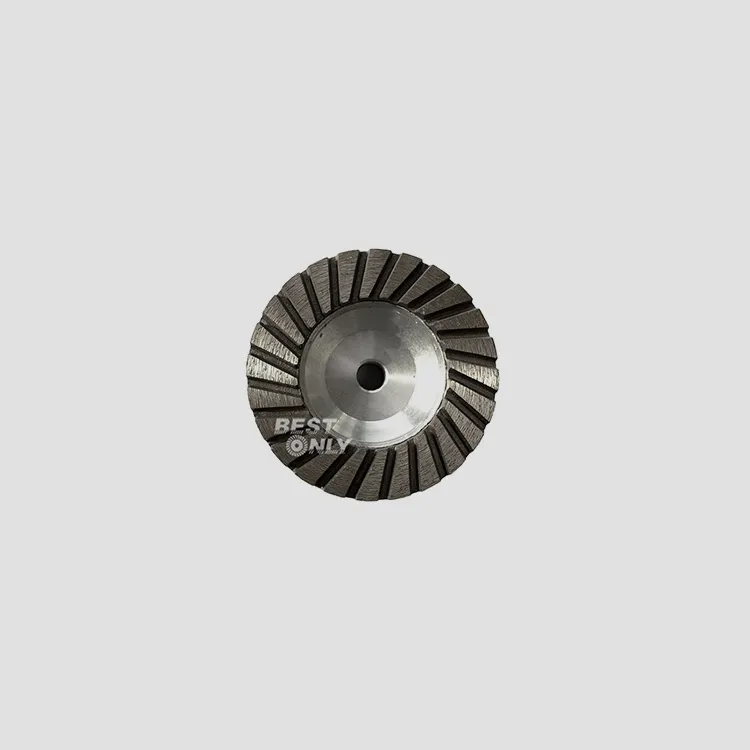
Another related product is the Diamond Turbo Cup Wheel. It is used for grinding and shaping stone materials. The cost of these tools needs to be factored into the overall project cost, and their efficiency can have an impact on the final cost - benefit analysis.
Conclusion
In conclusion, the cost of aluminium flanges compared to other materials depends on a variety of factors. While they may be more expensive than some materials like PVC, they offer better performance and durability in many applications. Compared to stainless steel and brass, aluminium flanges can provide a more cost - effective solution, especially when weight is a concern.
If you are in the market for high - quality aluminium flanges, we are here to assist you. We can provide you with detailed cost estimates based on your specific requirements. Whether you need a small quantity for a prototype or a large - scale order for a major project, we can offer competitive prices and excellent service. Contact us to discuss your needs and start the procurement process. We look forward to working with you to find the best flange solutions for your applications.
References
- ASME B16.5: Pipe Flanges and Flanged Fittings
- ASTM Standards for Aluminium Alloys
- Industry reports on metal prices and market trends