

What is the difference between synthetic and natural granite polishing pads?
Oct 03, 2025
Hey there! As a supplier of Granite Polishing Pads, I often get asked about the difference between synthetic and natural granite polishing pads. So, I thought I'd break it down for you in this blog post.
What Are Granite Polishing Pads?
Before we dive into the differences, let's quickly talk about what granite polishing pads are. These pads are essential tools in the stone industry. They're used to polish granite surfaces, giving them that smooth, shiny finish you see in kitchens, bathrooms, and other places. Whether it's a small countertop or a large floor area, the right polishing pad can make all the difference.
Natural Granite Polishing Pads
Natural granite polishing pads are made from natural materials. Usually, they contain abrasive minerals that occur in nature. One of the most common natural abrasives used in these pads is diamond. Diamonds are extremely hard, which makes them perfect for cutting and polishing granite.
Advantages of Natural Granite Polishing Pads
- High Quality Finish: Natural pads, especially those with diamond abrasives, can provide a really high - quality finish. They can bring out the natural beauty of the granite, making it look sleek and shiny.
- Long - lasting: Since natural diamonds are so hard, these pads tend to last longer. They can withstand a lot of wear and tear during the polishing process.
Disadvantages of Natural Granite Polishing Pads
- Cost: Natural diamond - based pads are often more expensive. The cost of mining and processing natural diamonds adds to the overall price of the pads.
- Availability: There can be issues with the availability of natural materials. Sometimes, the supply of high - quality natural abrasives might be limited.
Synthetic Granite Polishing Pads
Synthetic granite polishing pads, on the other hand, are made from man - made materials. These pads are designed to mimic the properties of natural abrasives, but they're created in a laboratory.
Advantages of Synthetic Granite Polishing Pads
- Affordability: Synthetic pads are generally more affordable than their natural counterparts. The manufacturing process for synthetic abrasives is often more cost - effective.
- Consistency: Since they're made in a controlled environment, synthetic pads offer more consistency in terms of quality. Every pad is likely to perform the same way, which is great for professional stone polishers.
Disadvantages of Synthetic Granite Polishing Pads
- Finish Quality: Some people argue that synthetic pads might not provide the same high - end finish as natural pads. However, this gap is closing as technology improves.
- Durability: In some cases, synthetic pads might not be as durable as natural ones. They may wear out faster, especially when used on very hard granite.
Performance Comparison
When it comes to performance, both types of pads have their strengths. Natural pads are great for achieving that super - smooth, high - gloss finish that's often desired in high - end projects. They can handle tough granite surfaces with ease, especially if the granite has a lot of natural imperfections.
Synthetic pads, on the other hand, are a great option for more budget - conscious projects. They can still do a good job of polishing granite, and they're a reliable choice for smaller projects or for those who are just starting out in the stone polishing business.

Applications
The choice between synthetic and natural pads also depends on the application.
- Residential Projects: For residential kitchens and bathrooms, synthetic pads can be a great choice. They're affordable and can still give a nice finish. You can check out our Resin Hand Polishing Sheets for small - scale residential polishing jobs.
- Commercial Projects: In commercial settings like hotels or office buildings, where a high - end finish is crucial, natural pads are often preferred. They can handle the large areas and the heavy - duty use that comes with commercial spaces.
Other Tools in the Stone Industry
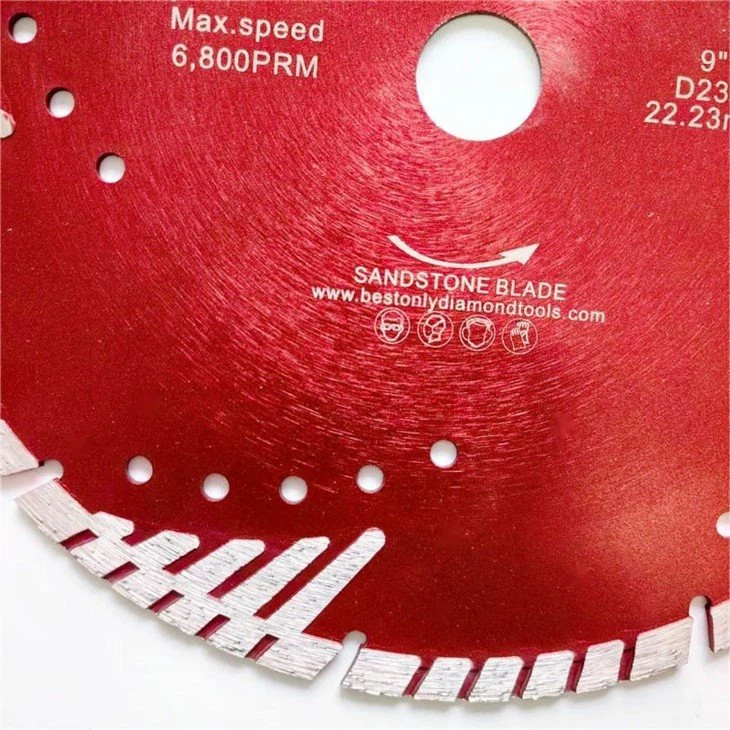
As a granite polishing pad supplier, we also offer other tools related to the stone industry. For example, if you're involved in cutting ceramic tiles or marble, our Diamond Saw Blade For Ceramic Tiles And Marble Cutting is a great option. It's designed to provide a clean and precise cut.
Another useful tool is our Turbo Diamond Blade With Triangle Protection Teeth. This blade offers enhanced protection and can make your cutting tasks easier and safer.
Conclusion
So, in conclusion, the choice between synthetic and natural granite polishing pads depends on your budget, the quality of finish you need, and the scale of the project. Both types have their pros and cons, and it's up to you to decide which one is the best fit for your needs.
If you're in the market for granite polishing pads or any of our other stone - related tools, we'd love to hear from you. Whether you're a professional stone polisher or a DIY enthusiast, we can provide you with the products you need. Reach out to us for more information and to start a procurement discussion. We're here to help you get the job done right!
References
- Stone Industry Handbook
- Professional Stone Polishing Guides