

Are there any special storage requirements for CNC calibrating wheels?
Oct 03, 2025
Hey there! As a supplier of CNC calibrating wheels, I often get asked about the special storage requirements for these essential tools. In this blog post, I'll share some insights based on my experience in the industry.

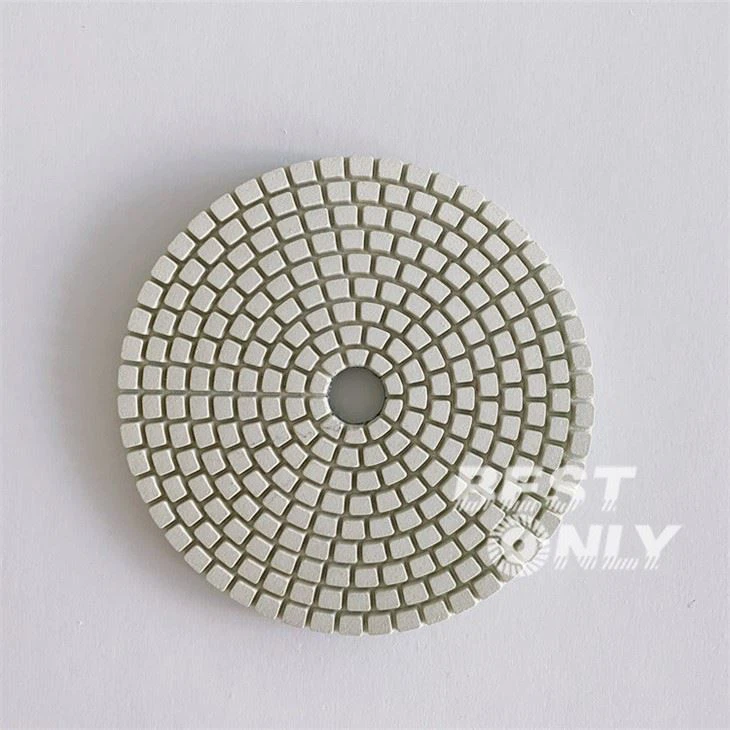
First off, let's understand what CNC calibrating wheels are. These wheels play a crucial role in the CNC machining process. They are used to calibrate and adjust the cutting tools, ensuring precision and accuracy in the manufacturing of various products. Whether it's metal, wood, or plastic, CNC calibrating wheels help in achieving the desired dimensions and finishes.
Now, onto the storage requirements. The environment where you store your CNC calibrating wheels matters a great deal. Temperature and humidity are two key factors that can affect the performance and lifespan of these wheels.
Temperature
Extreme temperatures can have a negative impact on CNC calibrating wheels. High temperatures can cause the materials in the wheels to expand, which might lead to changes in their shape and size. This, in turn, can affect the calibration accuracy. On the other hand, low temperatures can make the wheels brittle, increasing the risk of cracking or breaking.
Ideally, you should store CNC calibrating wheels in a temperature - controlled environment. A temperature range of around 20 - 25 degrees Celsius (68 - 77 degrees Fahrenheit) is considered optimal. This stable temperature helps maintain the integrity of the wheel materials and ensures consistent performance.
Humidity
Humidity is another factor to watch out for. High humidity can lead to corrosion, especially if the wheels have metal components. Corrosion can damage the surface of the wheels, reducing their effectiveness and potentially causing premature wear.
To prevent humidity - related issues, it's a good idea to store the wheels in a dry place. You can use dehumidifiers in the storage area to keep the humidity levels in check. Aim for a relative humidity of around 40 - 50%. This level helps protect the wheels from moisture damage without causing the air to be too dry, which could also have adverse effects on the wheel materials.
Cleaning and Protection
Before storing the CNC calibrating wheels, it's essential to clean them properly. Remove any debris, dust, or cutting fluids that may have accumulated on the wheels during use. You can use a mild cleaning solution and a soft brush to gently clean the wheels. Make sure to dry them thoroughly before storage to prevent moisture from causing problems.
In addition to cleaning, consider using protective covers or cases for the wheels. These covers can shield the wheels from dust, scratches, and other physical damage. They also provide an extra layer of protection against environmental factors such as humidity and temperature fluctuations.
Storage Location
The location where you store the CNC calibrating wheels is also important. Keep them away from direct sunlight, as prolonged exposure to sunlight can cause the wheel materials to degrade. Sunlight can also heat up the wheels, leading to the issues mentioned earlier related to high temperatures.
It's also a good idea to store the wheels in a place where they won't be knocked around or subjected to physical impacts. A dedicated storage cabinet or rack can be a great option. You can organize the wheels based on their size, type, or usage frequency, making it easier to find the right wheel when you need it.
Compatibility with Other Tools and Accessories
When storing CNC calibrating wheels, you might also want to consider their compatibility with other tools and accessories. For example, if you're using Aluminium Flanges in conjunction with the calibrating wheels, make sure they are stored in a way that doesn't cause any damage to each other.
Similarly, if you have 3 Steps Dry and Wet Polishing Pads or 5 Steps Wet Polishing Pads that are part of your CNC machining setup, ensure they are stored separately or in a way that maintains their functionality.
Inspection and Maintenance
Regular inspection of the stored CNC calibrating wheels is crucial. Check for any signs of damage, such as cracks, chips, or excessive wear. If you notice any issues, it's important to address them promptly. This might involve repairing or replacing the damaged wheels to ensure the continued accuracy and efficiency of your CNC machining operations.
Maintenance also includes lubrication if required. Some wheels may need periodic lubrication to keep their moving parts functioning smoothly. Follow the manufacturer's recommendations for lubrication to avoid over - or under - lubrication, which can both cause problems.
Conclusion
In conclusion, there are indeed special storage requirements for CNC calibrating wheels. By paying attention to temperature, humidity, cleaning, protection, storage location, compatibility, and regular inspection and maintenance, you can ensure the longevity and optimal performance of these important tools.
If you're in the market for high - quality CNC calibrating wheels or have any questions about their storage or usage, feel free to reach out. We're here to help you make the most of your CNC machining operations. Whether you're a small - scale workshop or a large manufacturing facility, we have the right products and expertise to meet your needs. Let's start a conversation and see how we can work together to enhance your production processes.
References
- General knowledge from years of experience in the CNC calibrating wheels supply industry.
- Manufacturer's guidelines for CNC calibrating wheels.