

What is the heat resistance of a steel wire brush?
Jun 18, 2025
As a seasoned supplier of steel wire brushes, I often encounter inquiries regarding the heat resistance of these essential tools. Understanding the heat resistance of a steel wire brush is crucial, as it directly impacts its performance, durability, and suitability for various applications. In this blog post, I will delve into the factors that influence the heat resistance of steel wire brushes, explore their typical heat resistance capabilities, and discuss the implications for different industries.
Factors Influencing Heat Resistance
The heat resistance of a steel wire brush is determined by several key factors, including the type of steel used, the brush's design, and the manufacturing process. Let's take a closer look at each of these factors:
Type of Steel
The choice of steel plays a significant role in determining the heat resistance of a wire brush. Different types of steel have varying compositions and properties, which can affect their ability to withstand high temperatures. Some common types of steel used in wire brushes include carbon steel, stainless steel, and high-speed steel.
- Carbon Steel: Carbon steel is a popular choice for wire brushes due to its affordability and versatility. However, it has relatively low heat resistance compared to other types of steel. Carbon steel wire brushes can typically withstand temperatures up to around 400°C (752°F) before the wire begins to lose its hardness and strength.
- Stainless Steel: Stainless steel is known for its corrosion resistance and high strength. It also offers better heat resistance than carbon steel. Stainless steel wire brushes can generally withstand temperatures up to 600°C (1112°F) without significant degradation.
- High-Speed Steel (HSS): High-speed steel is a specialized type of steel that is designed to maintain its hardness and cutting ability at high temperatures. HSS wire brushes can withstand temperatures up to 800°C (1472°F) or even higher, making them suitable for applications that involve high-speed grinding, cutting, or welding.
Brush Design
The design of the wire brush can also affect its heat resistance. Factors such as the wire diameter, the number of wires per bundle, and the brush's overall construction can influence how heat is dissipated and distributed within the brush.
- Wire Diameter: Thicker wires generally have better heat resistance than thinner wires. This is because thicker wires have a larger cross-sectional area, which allows them to absorb and dissipate heat more effectively.
- Number of Wires per Bundle: Brushes with a higher number of wires per bundle tend to have better heat resistance. This is because the increased surface area of the wires allows for more efficient heat transfer and dissipation.
- Brush Construction: The way the wires are attached to the brush body can also affect heat resistance. Brushes with a solid construction, where the wires are firmly secured to the body, tend to have better heat resistance than brushes with a loose or flexible construction.
Manufacturing Process
The manufacturing process used to produce the wire brush can also have an impact on its heat resistance. Processes such as heat treatment, galvanizing, and coating can improve the heat resistance of the wires and the overall brush.
- Heat Treatment: Heat treatment is a process that involves heating the wires to a specific temperature and then cooling them rapidly to improve their hardness and strength. Heat-treated wires generally have better heat resistance than non-heat-treated wires.
- Galvanizing: Galvanizing is a process that involves coating the wires with a layer of zinc to protect them from corrosion. Galvanized wires can have improved heat resistance compared to non-galvanized wires, as the zinc coating can act as a barrier to heat transfer.
- Coating: Some wire brushes are coated with a special material, such as ceramic or diamond, to improve their heat resistance and cutting performance. These coated brushes can withstand higher temperatures and offer better durability than uncoated brushes.
Typical Heat Resistance Capabilities
The heat resistance of a steel wire brush can vary depending on the factors discussed above. However, as a general guideline, the following are the typical heat resistance capabilities of different types of steel wire brushes:
- Carbon Steel Wire Brushes: Carbon steel wire brushes can typically withstand temperatures up to around 400°C (752°F). These brushes are suitable for applications that involve low to moderate heat, such as cleaning, deburring, and surface preparation.
- Stainless Steel Wire Brushes: Stainless steel wire brushes can generally withstand temperatures up to 600°C (1112°F). These brushes are suitable for applications that involve higher heat, such as welding, soldering, and heat treatment.
- High-Speed Steel (HSS) Wire Brushes: High-speed steel wire brushes can withstand temperatures up to 800°C (1472°F) or even higher. These brushes are suitable for applications that involve high-speed grinding, cutting, or welding, where extreme heat is generated.
Implications for Different Industries
The heat resistance of a steel wire brush is an important consideration for various industries, as it can affect the performance and durability of the brush in different applications. Let's take a look at some of the industries where heat resistance is particularly important:
Metalworking Industry
In the metalworking industry, steel wire brushes are commonly used for cleaning, deburring, and surface preparation of metal parts. These applications often involve high temperatures, especially when working with metals such as stainless steel, aluminum, and titanium. Using a wire brush with adequate heat resistance is essential to ensure that the brush can withstand the heat generated during the process and maintain its performance and durability.

Welding Industry
In the welding industry, steel wire brushes are used to clean the weld area before and after welding. Welding generates a significant amount of heat, and using a wire brush with poor heat resistance can result in the wires melting or becoming deformed, which can affect the quality of the weld. A wire brush with high heat resistance, such as a high-speed steel wire brush, is recommended for welding applications.
Stone Polishing Industry
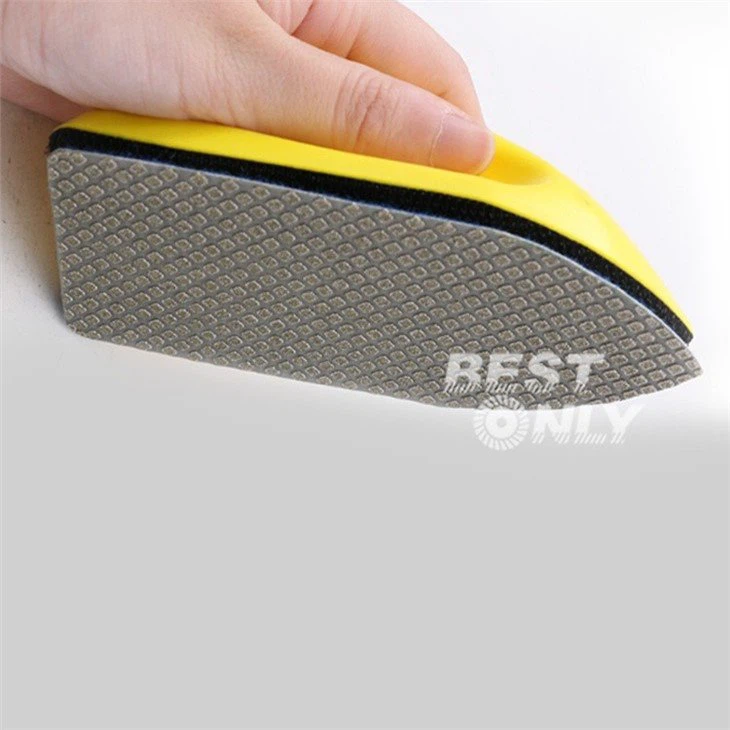
In the stone polishing industry, steel wire brushes are used to clean and prepare the surface of stone materials before polishing. Stone polishing often involves the use of high-speed grinding and polishing equipment, which can generate a significant amount of heat. Using a wire brush with good heat resistance is important to ensure that the brush can withstand the heat and maintain its effectiveness in cleaning and preparing the stone surface. For stone polishing applications, you may also consider using Granite Polishing Pads or Fickert Diamond Brush, which are specifically designed for stone polishing and offer excellent heat resistance and performance.
Automotive Industry
In the automotive industry, steel wire brushes are used for a variety of applications, including engine cleaning, brake system maintenance, and bodywork repair. These applications often involve high temperatures, especially when working with engine components or during welding and soldering operations. Using a wire brush with appropriate heat resistance is crucial to ensure that the brush can withstand the heat and perform effectively in these applications.
Conclusion
In conclusion, the heat resistance of a steel wire brush is an important factor to consider when choosing a brush for a specific application. The type of steel used, the brush's design, and the manufacturing process all play a role in determining the heat resistance of the brush. By understanding these factors and choosing a brush with adequate heat resistance, you can ensure that the brush will perform effectively and last longer in your application.
If you are in the market for high-quality steel wire brushes with excellent heat resistance, look no further. As a leading supplier of steel wire brushes, we offer a wide range of brushes to meet your specific needs. Our brushes are made from the highest quality materials and are manufactured using the latest techniques to ensure superior performance and durability. Whether you are in the metalworking, welding, stone polishing, or automotive industry, we have the right brush for you.
Contact us today to discuss your requirements and explore our range of steel wire brushes. We look forward to working with you and helping you find the perfect brush for your application.
References
- "Steel Wire Brushes: Types, Applications, and Selection Guide." Engineering ToolBox.
- "Heat Resistance of Metals." MatWeb.
- "Welding Handbook." American Welding Society.