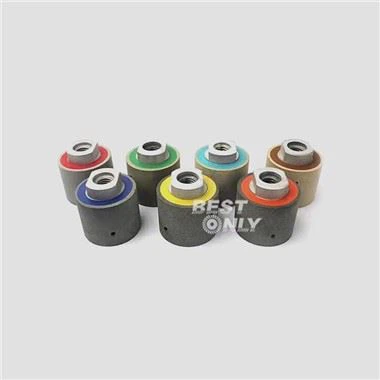
How to Use Cup Grinding Wheels
Feb 29, 2024

How to Choose and Use Cup Grinding Wheels: The Best Choice for Industrial Applications
Cup grinding wheels are essential tools for many industries, including construction, metalworking, and woodworking. These abrasive discs are used to grind and polish a variety of materials, such as concrete, metal, granite, marble, and wood, to achieve a smooth and even surface finish. If you're new to using cup grinding wheels, here are a few tips to help you get started.
1. Select the Right Cup Grinding Wheel for Your Needs
Choosing the right cup grinding wheel is crucial for completing the task effectively. Different wheels are designed for different materials and applications. When purchasing for B2B purposes, make sure to consider:
Size and Shape: Choose the wheel based on the surface area you need to grind.
Grit Size: Coarse grit is ideal for fast material removal, while fine grit is better for achieving a smooth surface.
Bond Strength: A stronger bond is suitable for harder materials and more intense grinding.
RPM Rating: Ensure the wheel is compatible with the RPM of your equipment for optimal performance.
Tip for B2B Buyers: We offer a wide range of cup grinding wheels suitable for bulk orders and custom requirements, ideal for large-scale industrial use. Contact us for a quote and enjoy wholesale pricing!
2. Prepare the Surface for Grinding
Before using the cup grinding wheel, ensure that the surface you're working on is prepared. For industrial applications, the cleanliness of the area directly affects the grinding efficiency and the life of the wheel:
Clean the Surface: Use a vacuum or broom to remove loose materials, dust, or debris.
Handle Hard Surfaces: If grinding concrete or other hard materials, you may need a chemical stripper or grinder to remove existing coatings or paint before grinding.
3. Proper Installation and Operation
When installing the cup grinding wheel, make sure it is securely mounted on your equipment and follows the manufacturer's safety instructions. During operation, keep the equipment stable and avoid excessive pressure to ensure maximum efficiency and extend the wheel's lifespan.
4. Post-Use Maintenance and Cleaning
After completing the grinding task, be sure to clean and maintain your tools to keep them in good working condition. Regularly check the wear on the wheel and replace it when necessary to prevent safety hazards and ensure consistent results.

How to Safely and Effectively Use Cup Grinding Wheels for Industrial Applications
When it's time to start grinding, it's essential to follow proper safety protocols and techniques. Cup grinding wheels can generate significant heat and dust, so wearing appropriate protective gear is crucial. Here's how to safely use these grinding tools to achieve high-quality results for your industrial needs:
1. Safety First: Gear Up for Protection
Cup grinding wheels can produce considerable heat and airborne dust, which can pose a health risk. Always wear:
Safety Glasses: Protect your eyes from flying debris and dust.
Dust Mask: Shield your lungs from harmful dust particles, especially when grinding concrete or metal.
Earplugs: To protect your hearing from the loud noise generated by the grinding process.
2. Proper Grinding Technique
Once you have the right cup grinding wheel and are prepared for safety, follow these steps for optimal performance:
Angle and Positioning: Start by positioning the wheel at a slight angle to the surface you intend to grind. This reduces the risk of gouging and helps achieve a smoother finish.
Gradual Pressure: Apply gradual, consistent pressure as you move the wheel back and forth over the surface. This method ensures even grinding without overloading the wheel.
Control the Speed: If your equipment allows, start with a lower RPM and gradually increase as needed for more aggressive grinding.
3.Cleanup and Maintenance
Once you're done grinding, proper cleanup is essential to maintain both your workspace and your equipment:
Dust Removal: Use a vacuum or a broom to remove all dust and debris from the work area. Keeping the workspace clean is vital for safety and efficiency.
Surface Wipe: After grinding, wipe the surface with a damp cloth to remove any remaining dust or residue.