How To Use Diamond Cup Wheel
Dec 05, 2025
Lay the Foundation for Safe Grinding
Tool Matching: Confirm that the angle grinder is compatible with the diamond turbo cup wheel. The product supports two common thread standards: M14 and 5/8-11, which fits most mainstream angle grinders on the market. Avoid using mismatched equipment to prevent slipping during operation.
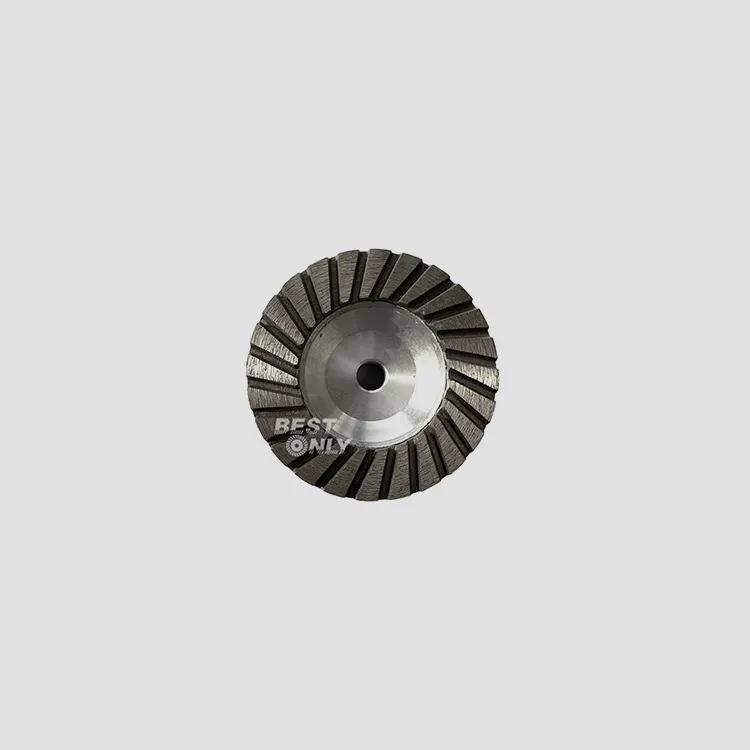
Wheel Inspection: Check the cup wheel for damage such as cracks, missing diamond segments, or loose threads. Ensure the heavy-duty steel core is intact, and the triple turbo tooth segments are firmly bonded-do not use defective products to avoid safety hazards.
Safety Protection: Wear professional protective gear, including safety goggles (to prevent debris splashing), dust masks (to avoid inhaling grinding dust), anti-slip gloves (to enhance grip), and protective shoes (to prevent falling objects from injuring feet).
Workpiece Preparation: Clean the surface of the workpiece (such as concrete, granite, or masonry) to remove loose debris, oil stains, or impurities. Fix the workpiece firmly to avoid displacement during grinding, which may affect the flatness of the grinding surface.


Master Skills for Efficient Results
Start-Up Test: Turn on the angle grinder and let the cup wheel run idle for 30-60 seconds. Observe if there is abnormal noise, vibration, or deviation. Only start grinding after confirming that the operation is stable.
Grit Selection: Choose the appropriate grit according to the grinding needs. The product provides three options: Coarse, Medium, and Fine. Coarse grit is suitable for rapid stock removal and rough grinding Medium grit is for semi-finishing Fine grit is for final polishing to achieve a smooth finish.
Grinding Angle & Pressure: Hold the angle grinder with both hands, keeping the cup wheel at a 15-30° angle to the workpiece surface. Apply uniform pressure-excessive pressure will cause the wheel to overheat, accelerate wear, and reduce efficiency; insufficient pressure will result in slow grinding and uneven surfaces.
Cooling & Dust Removal: The diamond turbo cup wheel is designed with open-air ducting and body perforations, which allow continuous air circulation to keep the wheel running cooler. For long-term high-intensity grinding, it is recommended to use a dust collecting system to reduce dust pollution and further cool the wheel. Avoid pouring water directly on the rotating wheel during dry grinding to prevent electrical hazards.
Movement Speed: Move the angle grinder evenly along the workpiece surface, avoiding staying in the same position for too long, which may cause local overheating, scratches, or uneven grinding. For large-area grinding, adopt a staggered or parallel movement method to ensure consistent surface flatness.
Extend Service Life
Turn off the power supply in a timely manner and wait for the diamond turbo cup wheel to stop rotating completely before placing it.
Clean the wheel surface with a brush to remove residual dust, debris, or adhesive materials. Avoid using sharp tools to scrape the diamond segments to prevent damage.
Inspect the wheel again: check if the diamond segments are worn, the steel core is deformed, or the thread is loose. For severely worn wheels, replace them in time to ensure grinding quality and safety.
Store the wheel in a dry, ventilated, and clean environment, avoiding direct sunlight, moisture, or collision with other hard objects.