

What is the difference between different types of backing pads?
Aug 22, 2025
Backing pads are essential components in various abrasive and polishing applications, especially in the stone processing industry. As a dedicated backing pads supplier, I've witnessed firsthand the diverse needs and requirements of our customers. Understanding the differences between different types of backing pads is crucial for achieving optimal results in stone grinding, polishing, and other related tasks. In this blog, I'll delve into the key distinctions among various backing pads, helping you make informed decisions for your projects.

1. Material Composition
The material used in backing pads significantly influences their performance and durability. Here are some common materials and their characteristics:
Rubber Backing Pads
Rubber backing pads are known for their flexibility and shock - absorption properties. They can conform to uneven surfaces, making them ideal for applications where a smooth finish is required on irregularly shaped stones. The rubber material also helps to reduce vibrations during operation, which can enhance operator comfort and prevent premature wear of the abrasive or polishing discs. For example, when working on natural stone sculptures with intricate details, a rubber backing pad can ensure that the polishing process is both gentle and effective.
Fiberglass Backing Pads
Fiberglass backing pads are rigid and provide excellent support for abrasive discs. They are designed to withstand high - pressure applications without deforming. This makes them suitable for heavy - duty grinding and polishing tasks, such as removing thick layers of old coatings from stone floors or preparing large stone slabs for further processing. Fiberglass backing pads are also resistant to heat, which is an important factor when working with high - speed abrasive tools.
Foam Backing Pads
Foam backing pads are soft and porous. They are commonly used in the final stages of polishing to achieve a high - gloss finish. The foam material can hold polishing compounds well and distribute them evenly across the surface of the stone. This results in a smooth, scratch - free finish, making foam backing pads a popular choice for polishing delicate stones like marble. When using foam backing pads, it's important to select the right density of foam according to the hardness of the stone and the desired level of polish.
2. Attachment Systems
The way a backing pad attaches to the tool is another important factor that differentiates various types.
Hook - and - Loop Attachment
Hook - and - loop (also known as Velcro) attachment systems are widely used in backing pads. They offer quick and easy disc changes, which is convenient for operators who need to switch between different grits or types of abrasive or polishing discs during a project. The hook - and - loop interface provides a secure connection between the backing pad and the disc, ensuring that the disc stays in place during operation. This system is commonly found in handheld polishing machines and some small - to - medium - sized floor grinders.
Threaded Attachment
Threaded attachment systems are more common in heavy - duty applications. They provide a more secure and stable connection between the backing pad and the tool compared to hook - and - loop systems. Threaded backing pads are often used in large - scale industrial stone processing equipment, where high - torque operation is required. The threaded connection can withstand the forces generated during high - speed grinding and polishing, preventing the backing pad from coming loose.
3. Design and Shape
The design and shape of backing pads can vary depending on the specific application.
Flat Backing Pads
Flat backing pads are the most common type. They are suitable for general - purpose grinding and polishing on flat surfaces, such as stone countertops and floors. The flat design allows for even distribution of pressure across the abrasive or polishing disc, ensuring consistent results.
Contoured Backing Pads
Contoured backing pads are designed to fit the shape of the workpiece. They are often used for edge polishing and shaping of stones. For example, Snail Lock Edge Polishing Pads are contoured to provide a better fit for the edges of stone slabs, allowing for precise and efficient polishing.
Cup - Shaped Backing Pads
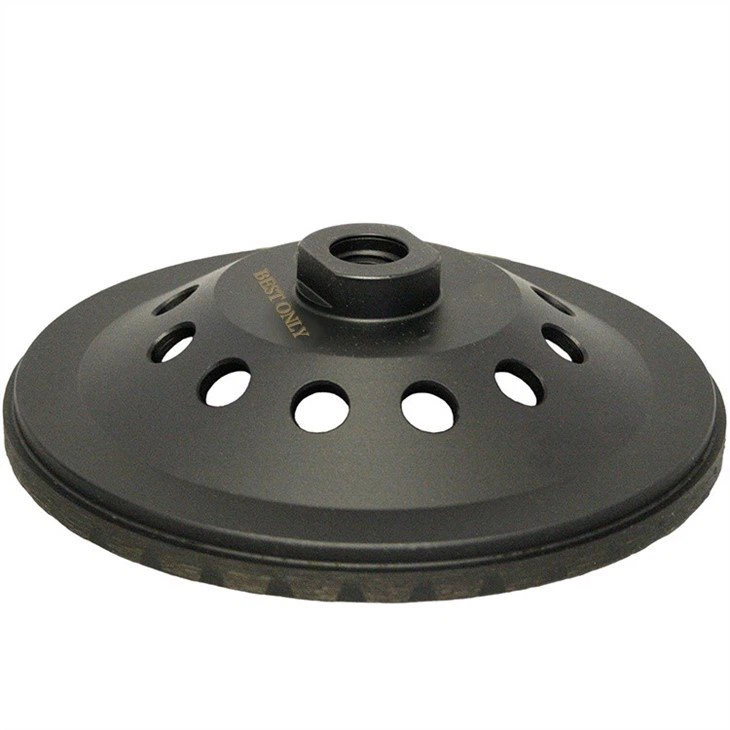
Cup - shaped backing pads are used in conjunction with cup - shaped abrasive or polishing wheels. They are commonly used for grinding and polishing large areas of stone, such as outdoor paving stones. The cup - shaped design allows for a larger contact area with the stone surface, increasing the efficiency of the grinding or polishing process. For instance, Resin Filled Turbo Cup Wheel is often paired with a cup - shaped backing pad for optimal performance.
4. Application - Specific Backing Pads
Different types of stones and applications require specialized backing pads.
Marble Polishing Pads
Marble is a soft and porous stone that requires gentle handling during the polishing process. Marble Polishing Pads are designed to provide a high - gloss finish without scratching the surface of the marble. These pads are usually made of soft materials like foam or rubber and are used with fine - grit polishing compounds.
Granite Grinding and Polishing Pads
Granite is a hard and dense stone. Granite grinding and polishing pads are more durable and aggressive compared to marble pads. They are often made of fiberglass or other rigid materials and are used with coarse - grit abrasive discs for initial grinding and then with finer - grit discs for polishing.
5. Durability and Lifespan
The durability of a backing pad depends on its material, construction, and the way it is used.
High - Quality Backing Pads
High - quality backing pads are made from premium materials and are designed to last longer. They can withstand repeated use and high - pressure applications without significant wear or damage. For example, fiberglass backing pads with reinforced construction can have a longer lifespan compared to standard rubber backing pads, especially in heavy - duty applications.
Cost - Effective Backing Pads
While cost - effective backing pads may be more affordable, they may have a shorter lifespan. These pads are often suitable for small - scale or occasional use. However, for large - scale or continuous projects, investing in high - quality backing pads can be more cost - effective in the long run, as they reduce the frequency of replacement and downtime.
Why Choose Our Backing Pads?
As a backing pads supplier, we offer a wide range of backing pads to meet the diverse needs of our customers. Our products are made from high - quality materials and are designed to provide excellent performance and durability. Whether you are working on a small DIY project or a large industrial stone processing job, we have the right backing pad for you.
We understand that choosing the right backing pad can be a challenging task. That's why our team of experts is always ready to provide you with professional advice and guidance. We can help you select the most suitable backing pad based on your specific application, stone type, and budget.
If you are interested in our backing pads or have any questions about our products, please feel free to contact us. We are looking forward to discussing your requirements and helping you find the perfect backing pads for your projects.
References
- "Stone Processing Handbook" - A comprehensive guide on stone grinding, polishing, and related techniques.
- Industry research reports on abrasive and polishing products.
- Manufacturer's specifications and technical documents for backing pads.